

Building your first LDS music library: a friendly starter guide
Starting a personal collection of Latter-day Saint music can feel like a meaningful step toward deepening both worship and cultural appreciation at home. Hymns, choir arrangements, youth conference favourites and recordings from independent artists each carry their own warmth, and choosing where to begin is often the hardest part. Many newcomers find that even a handful of well-loved pieces can shape family evenings, Sunday devotionals and quiet reflective moments throughout the week.
In Australia, Latter-day Saint communities gather across Brisbane, Sydney, Melbourne, Perth and Adelaide, with ward choirs regularly performing at stake conferences and youth activities. Local musicians often share their arrangements through small online shops that ship from regional hubs, which makes it easier for members in remote areas to access sheet music without long waits. Audiences respond especially well to recordings that blend familiar sacred texts and distinctly Australian folk influences.
This walkthrough covers practical choices for newcomers: which hymns to prioritise, how to balance physical and digital formats, which instruments pair well with the repertoire, how to support artists whose work strengthens the community, and how to keep a collection tidy as it grows. Along the way, you will find suggestions tailored to Australian listeners and tips for sourcing music locally.
Choosing foundational hymns and sacred songs
A thoughtful starter library usually begins with the hymns members know by heart, since these pieces appear most often in sacrament meetings and home evenings. "Come, Come, Ye Saints," "I Am a Child of God" and "Be Still, My Soul" sit at the centre of many Australian family collections because they appear in personal study and choir programmes throughout the year. Adding a few youth-oriented titles from EFY albums also helps younger members feel included, especially when those songs are sung during family home evening.
Singers sometimes prefer to start with a single voice part rather than full SATB scores, which makes early practice sessions less intimidating. Beginners who feel unsure about tackling four-part harmonies can begin with melody-only lead sheets and gradually add soprano or alto lines as confidence builds. Pianists often start with simplified hymn arrangements before moving toward more elaborate concert-style versions, and many local teachers in Sydney and Melbourne offer group lessons focused specifically on hymn accompaniment.
Physical and digital formats side by side
CDs and printed songbooks still hold a quiet charm, particularly for members who enjoy flipping through pages during long road trips across the outback or relaxing on a verandah in suburban Brisbane. Digital downloads, by contrast, travel easily between devices and fit neatly into family worship playlists streamed through a phone or home speaker. Most newcomers settle into a blended approach: printed hymnals for shared singing around a piano, and MP3 collections for personal study or commuting.
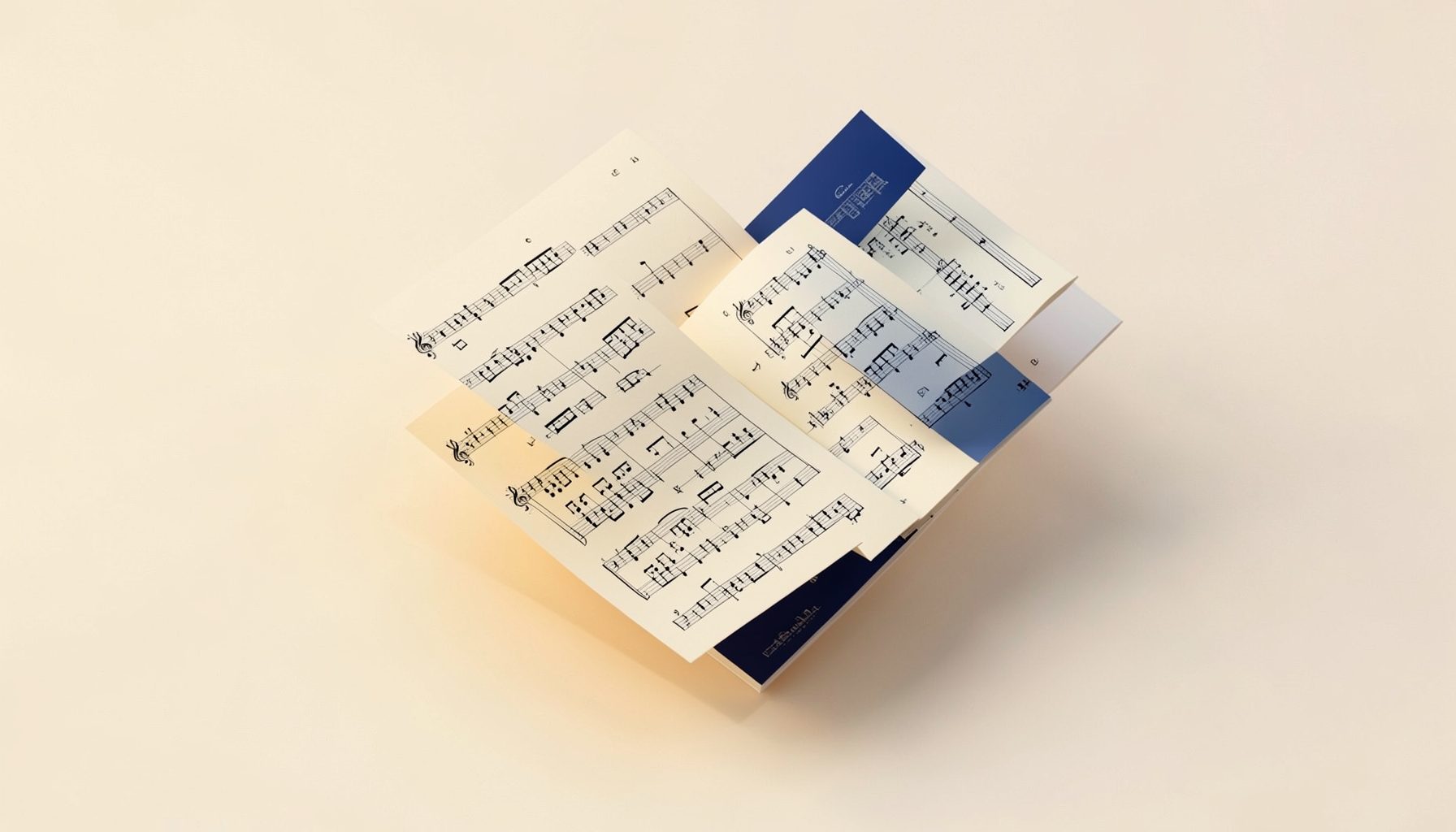
When choosing digital files, look for albums that include liner notes with composer information, scripture references and background on each recording. These details turn a simple listening session into a richer study experience, and they often become a treasured part of a growing collection. For shoppers wondering where to begin exploring both formats, a useful starting catalog offers a mix of albums and sheet music options. Physical media also makes a thoughtful gift for missionaries, newlyweds or anyone setting up a first apartment, particularly when the recipient lives far from a large Latter-day Saint community centre.
Instruments that pair well with the repertoire
The ukulele has quietly become one of the most popular instruments for casual hymn playing across Australian Latter-day Saint circles, partly because it travels well to camps, youth activities and beach devotionals. Beginners who want to try simple arrangements will appreciate a resource like the ukulele hymn guide, which walks through basic chords and strumming patterns suited to sacred music. A small group with two or three ukuleles, a guitar and a quiet vocalist can perform a heartfelt version of almost any favourite hymn after just a few weeks of casual practice.
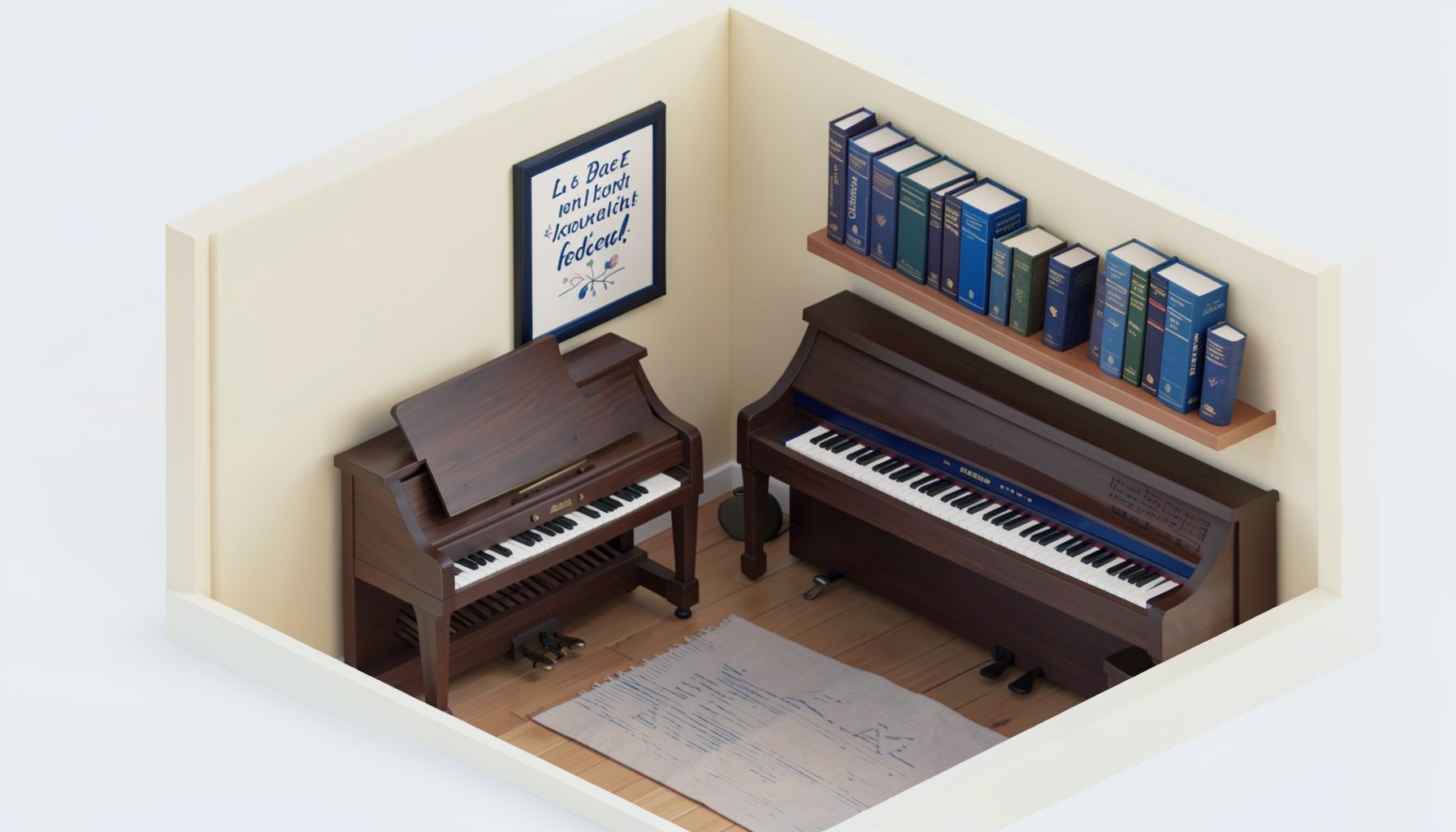
Pianos remain the backbone of ward music programmes, and even a basic keyboard with weighted keys can support family singing at home. Some Australian households invest in entry-level digital pianos that include hymn-friendly sound banks, while others rely on traditional uprights passed down through generations. For those without a dedicated piano, smartphone apps can provide a temporary accompaniment layer for personal practice, though most choir directors still prefer live instruments during rehearsals.
Supporting LDS artists and ensembles
Independent artists and small ensembles form the heart of the Latter-day Saint music scene, and buying directly from them helps fund future recordings, tour travel and youth outreach programmes. Many Australian fans follow artists on social media to catch announcements about regional concerts, often held in chapel cultural halls or community centres during stake conference weekends. Attending a live performance, even when it requires a short drive to the nearest venue, tends to deepen appreciation for the music in ways that streaming alone cannot replicate.
Collectors who want to learn more about the people behind the recordings can read artist spotlights on the about us page of Your LDS Music Store, which historically featured interviews with composers, conductors and performers. Sharing albums with friends, posting favourite tracks in family group chats and requesting songs at local gatherings all help sustain the artists who dedicate their careers to sacred music. A small habit of buying one or two new recordings each season keeps a personal library fresh without straining a household budget.
Curating and growing a tidy collection
A library, even a modest one, benefits from a simple organisation system that prevents duplicate purchases and forgotten favourites. Some households keep a shared spreadsheet listing titles, keys, composers and the occasions each piece suits, while others prefer a folder of printed sheet music sorted by hymnbook page number. Digital libraries can be sorted by genre, artist, or event type using tags, which makes planning a family home evening playlist much faster on a busy weeknight.
Over time, a starter library naturally evolves toward seasonal favourites, choir repertoire and personal study pieces that hold deep meaning. Many Australian families mark the approach of Easter, Christmas and spring gatherings with themed listening sessions that draw from both classic hymnals and contemporary albums. Adding a new songbook every few years, replacing worn sheet music and occasionally gifting favourite albums to neighbours keeps the collection alive and meaningful across generations.
Practical tips for an Australian beginner
- Begin your collection with five to seven universally recognised hymns before branching into lesser-known pieces.
- Mix one printed songbook with a small digital library to cover both family singing and personal study.
- Start with a single instrument, whether ukulele, guitar or piano, and learn three or four simple hymn arrangements well.
- Buy at least one album from an independent Latter-day Saint artist each year to support the wider community.
- Keep a short listening log noting which pieces feel meaningful and worth returning to during personal worship.
- Connect with a local ward choir or music director to discover which songs suit regional events and conferences.