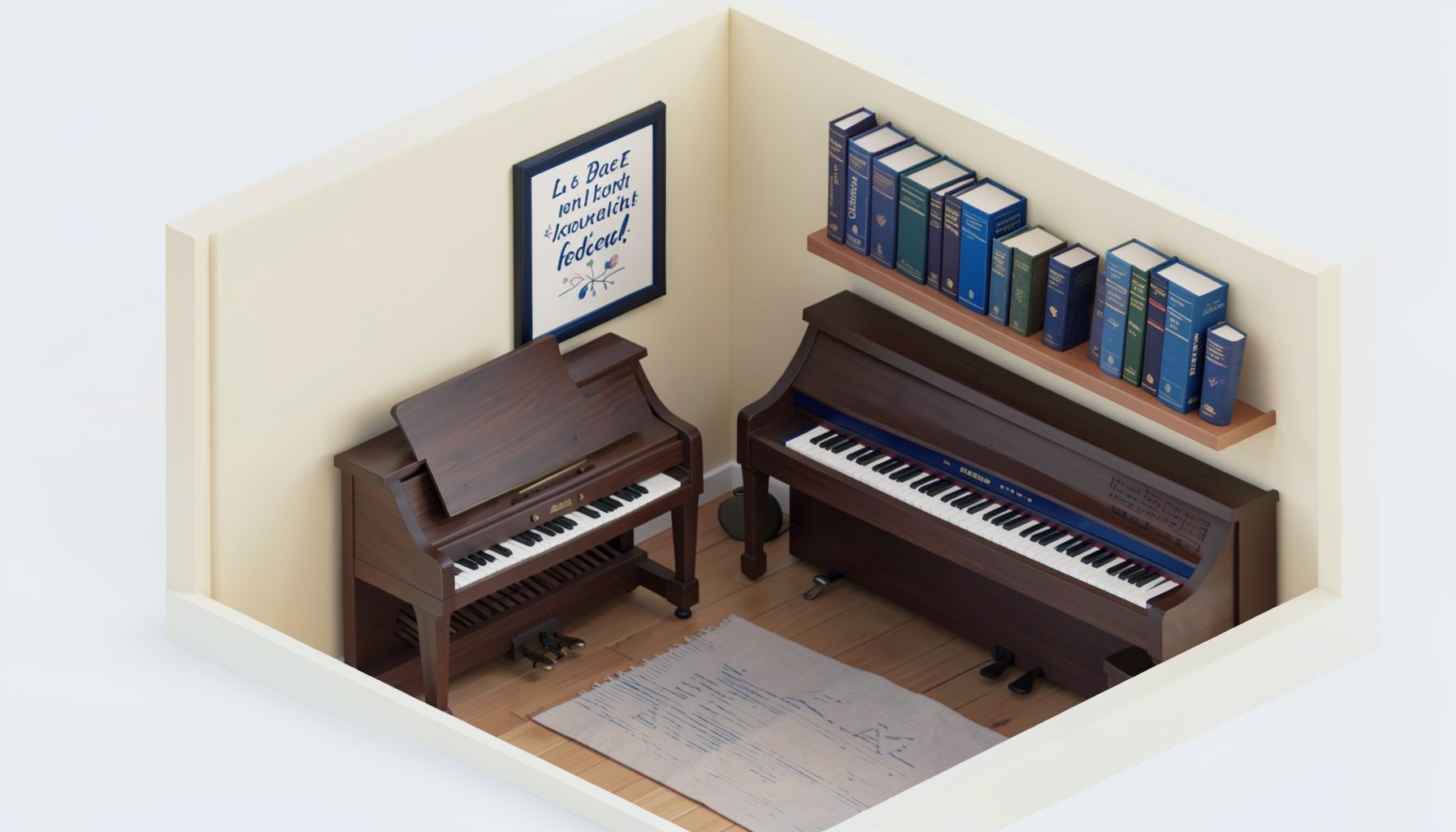



A guide to LDS music for non-members
Latter-day Saint music is a broad collection of religious, devotional, choral, and inspirational recordings connected with The Church of Jesus Christ of Latter-day Saints. It includes congregational hymns, youth music, contemporary faith-based albums, instrumental arrangements, and songs written for worship or personal reflection.
You do not need to belong to the Church to appreciate this music. Many recordings focus on universal themes such as hope, family, service, grief, gratitude, courage, and the search for spiritual peace. Some pieces are explicitly tied to Latter-day Saint scripture and worship, while others work as accessible inspirational music in their own right.
The catalog once associated with Your LDS Music Store reflected this variety through CDs, MP3 albums, DVDs, hymn arrangements, piano sheet music, and music connected with Especially for Youth, commonly known as EFY. Although the store is no longer operating, its archived material offers a useful window into a distinctive musical culture.
What makes LDS music distinctive
LDS music is often built around clear melodies, memorable lyrics, and a strong emphasis on singability. Congregational hymns are designed for groups to sing together, so their structures tend to be direct and their messages easy to follow. Contemporary releases may use pop, folk, acoustic, orchestral, or Celtic influences while retaining a devotional purpose.
The music also serves several settings. A hymn may be heard during a Sunday worship service, while a youth album might accompany a summer conference, personal study, or a long drive. Choir recordings can sound formal and expansive, whereas solo artists often create an intimate atmosphere through piano, guitar, and restrained vocals.
Religious language is present, but it varies by recording. Some songs mention Jesus Christ, the Book of Mormon, prophets, or specific doctrines. Others address everyday experiences through broad spiritual ideas. This range allows non-members to choose music according to their comfort level and interests rather than treating LDS music as a single style.
Where to begin listening
A good starting point is the traditional hymn repertoire. Latter-day Saint hymns include familiar Christian themes alongside songs written specifically for the Church. Listening to choir, organ, or piano versions can help you notice the melodic craft without requiring prior knowledge of the worship service in which the music is used.
Youth and family music offers another accessible entry point. EFY recordings and similar releases frequently use modern arrangements, group vocals, and energetic production. Their subjects include making good choices, finding confidence, serving others, and strengthening relationships. These albums are generally more immediate than formal choral collections.
Solo performers can provide a closer sense of the personal experiences behind the songs. For example, the Jenny Phillips profile illustrates how an artist’s career, testimony, and creative development can shape a body of LDS music. Artist stories are useful because they connect individual songs with the communities and experiences that produced them.
Choosing the right format and setting
Your listening goal should guide the format you choose. Digital albums are convenient for exploring an artist quickly, while physical CDs may appeal to listeners who value liner notes, artwork, or a more traditional collection. DVDs can include concerts, music videos, or performances that reveal how the songs work with visual presentation.
Sheet music is especially valuable for pianists, choir directors, teachers, and families who want to perform LDS songs themselves. A piano arrangement may simplify a congregational hymn or expand it into a concert piece. Comparing several arrangements can show how changes in tempo, harmony, and accompaniment alter the emotional character of the same melody.
| Listening goal | Useful format | What to expect |
|---|---|---|
| Explore an artist quickly | MP3 album or digital release | Convenient access and easy sampling |
| Sing with a congregation | Hymn recording or songbook | Clear melody and steady phrasing |
| Play at home | Piano sheet music | Arrangements for different skill levels |
| Experience a live presentation | DVD or concert recording | Visual performance and ensemble energy |
| Discover current material | Music news and release archives | Artist updates, new projects, and coverage |
A quiet setting can make devotional music feel more approachable. Try listening while reading the lyrics, walking, journaling, or practicing an instrument. The purpose is not to master every doctrinal reference immediately; it is to hear how melody, text, and performance work together.
Reading the religious and cultural context
Some background knowledge helps, but it is not a requirement. The Church’s worship services center on Jesus Christ, scripture, prayer, and participation by the congregation. Music supports those elements rather than functioning only as entertainment. A song’s simplicity may therefore be intentional, giving many voices room to contribute.
Latter-day Saint culture also places considerable value on family life, missionary service, youth activities, and personal revelation. These subjects appear frequently in lyrics. A non-member may encounter references to baptism, temples, the Book of Mormon, or life after death. When that happens, listening to the song as an expression of belief can be more helpful than expecting every line to function as a universal statement.
The about the store material provides additional context for the kind of catalog that once brought these recordings together. It helps explain why religious music, educational resources, artist news, and performance products appeared in the same online destination.
A practical listening path
A gradual approach can make the catalog easier to navigate. Begin with one familiar category, then branch into related styles. For instance, start with piano hymns, move to a choir recording, and then try a contemporary youth album. This sequence lets you hear how the same spiritual themes can change across arrangements and audiences.
Consider these recommendations:
- Listen to both a traditional hymn performance and a modern arrangement of a hymn.
- Choose one solo artist and read about the experiences behind their recordings.
- Explore an EFY or youth album for contemporary production and group vocals.
- Try instrumental piano music when lyrics feel too specific or unfamiliar.
- Keep a note of melodies, themes, and arrangements that you would like to revisit.
Lyrics deserve special attention because LDS songs often communicate through concise images rather than complex narratives. Words about light, home, belonging, covenant, or a difficult road may carry specific religious meanings while still evoking widely shared emotions. Reading the text separately can reveal details that pass unnoticed during a first listen.
Finding releases through archived material
Music catalogs change quickly, and older LDS releases may be easier to find through library collections, used media sellers, artist websites, streaming services, or community recommendations. Archived store pages can still help identify titles, performers, and categories even when the original purchasing service is no longer available.
The former site’s new releases archive is useful for seeing how music discovery once worked in this niche. Release announcements and concert coverage can point toward artists, albums, and styles that deserve further research. When searching elsewhere, use several terms together, such as an artist’s name, “LDS music,” “Mormon artist,” “hymn arrangement,” or “EFY album.”
It is also worth checking whether a recording has multiple editions. A song may appear on a studio album, a youth compilation, a Christmas collection, and a live concert DVD. Different versions can feature altered instrumentation or vocal arrangements, so the first recording you find may not represent the artist’s complete approach.
Listening with an open perspective
For non-members, LDS music can be approached as devotional art, cultural history, choral repertoire, family entertainment, or a source of personal encouragement. There is no single correct way to engage with it. Some listeners will connect most strongly with the theology, while others will notice production choices, vocal harmonies, poetic language, or the social world reflected in the songs.
The richest experience often comes from combining listening with context. Read the lyrics, learn where a song is intended to be performed, and compare versions by different artists. This reveals how Latter-day Saint musicians preserve tradition while adapting to new audiences and changing musical tastes.
Start with one album, hymn, or artist that matches your interests, then follow the musical connections outward. Whether you prefer sacred choral works, piano arrangements, youth recordings, or contemporary inspirational songs, LDS music offers a focused and varied field for thoughtful listening and discovery.