

A practical guide to LDS music for Primary singing time
Music can turn a Primary lesson into an experience children remember long after Sunday ends. A familiar melody helps them participate, while clear lyrics give them a simple way to learn gospel principles about prayer, kindness, service, Jesus Christ, and the plan of salvation.
Effective singing time does not require a large library or complicated arrangements. The strongest selections usually have memorable phrases, a comfortable vocal range, and enough repetition for children to gain confidence. A well-planned mix of children’s hymns, Primary songs, action songs, and quieter spiritual numbers can support both learning and reverence.
The history of Latter-day Saint music includes pioneer hymns, congregational standards, youth recordings, and modern albums, so teachers have many traditions to draw from. This overview of the history of LDS music provides useful context for understanding how different styles became part of Church worship and family life.
Choosing songs with a clear gospel purpose
Begin with the principle you want children to understand. If the lesson focuses on prayer, choose a song that expresses trust in Heavenly Father or teaches children how to pray. For a lesson about the Savior, select lyrics that point clearly to His love, example, Atonement, or Resurrection. A song should reinforce the lesson rather than compete with it.
Age matters as much as subject. Younger children often respond best to short phrases, repetition, movement, and concrete images. Older Primary children may enjoy richer harmonies, longer verses, or opportunities to lead. When a song contains difficult theological language, explain one phrase in child-friendly terms before singing it.
Review the lyrics for clarity and doctrinal accuracy. A beautiful tune is less useful when children cannot understand the words or when the message is too abstract. Choose songs that allow the children to sing the main idea themselves instead of relying on a soloist or recording to carry the entire message.
Matching the arrangement to the room
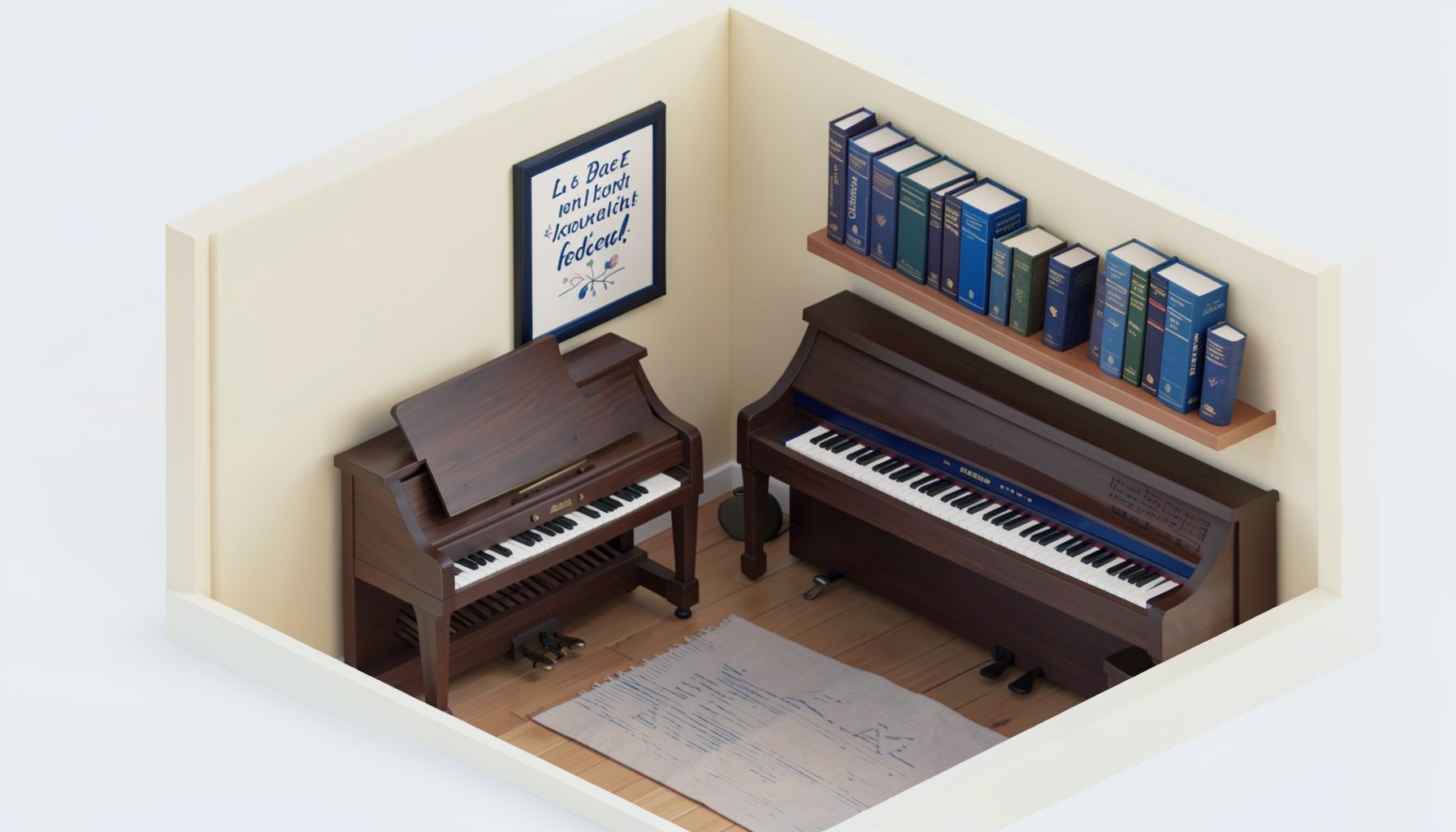
A song arrangement affects the way children hear and remember a message. Piano accompaniment is often the most flexible choice because the pianist can adjust tempo, volume, and repetition immediately. Simple guitar, instrumental tracks, or a cappella singing can also work when they support participation rather than becoming a performance.
Paul Cardall’s piano arrangements are a helpful example of how familiar hymn melodies can receive a calm, expressive treatment; this discussion of popular hymn arrangements explains why listeners often connect with that style. For Primary, use polished recordings as preparation tools or occasional listening experiences, while keeping children’s voices at the center of singing time.
Select keys that fit young voices. If children consistently sing too low or strain for high notes, ask the pianist to transpose the song. A comfortable range encourages fuller participation and helps children hear the melody accurately. The best arrangement is the one that makes singing feel attainable.
Planning a focused singing-time experience
A strong singing-time plan usually has a beginning, a teaching section, and a closing song, even when the schedule is brief. Open with something familiar to gather attention, teach one new song or phrase, and finish with music that leaves a peaceful spiritual impression. Avoid introducing too many new selections in one meeting.
Use varied teaching methods across the month. You might hide selected words, invite children to listen for a repeated phrase, replace lyrics with pictures, or let a group sing each verse. Simple conducting patterns, rhythm instruments, or carefully chosen actions can make repetition feel fresh without distracting from the message.
The following guide can help match a song type to a teaching purpose:
| Singing-time purpose | Suitable music | Helpful teaching approach |
|---|---|---|
| Teach a basic gospel idea | Short Primary song | Explain one key phrase and repeat it |
| Help children remember scripture language | Scripture-based hymn or song | Display words or images connected to the verse |
| Increase participation | Action song or rhythm song | Teach movements gradually and keep them simple |
| Invite reverence | Gentle hymn or reflective Primary song | Slow the tempo and use a softer accompaniment |
| Prepare for a program | Program selection | Practice one section at a time with clear cues |
| Include older children | Two-part or harmony arrangement | Divide parts only after the melody is secure |
Keep transitions short. Children learn more when most of the scheduled time is spent actually singing. Have music, lyrics, visual aids, and accompaniment instructions ready before the meeting begins so that pauses do not break the atmosphere.
Using recordings and technology wisely
Recordings can help a teacher learn an unfamiliar melody, practice a vocal part, or hear how a song might sound with an instrumental arrangement. They are especially useful when preparing a new hymn or introducing music from a trusted Latter-day Saint artist. Listen before class and decide which portions genuinely serve the lesson.
During singing time, avoid making the recording the main event. Start with children singing alongside the accompaniment, then lower the volume or stop it for selected lines. This gives children a chance to develop pitch, diction, and confidence. A recording can support the group, but it should not replace a live musical experience.
Because online catalogs, downloads, and physical products may change over time, verify availability and usage rights before relying on a particular resource. For older store references, consult the archived return information only as historical site content rather than assuming that former purchasing policies remain active.
Creating variety without losing familiarity
A balanced music collection can include Primary songbook selections, hymns, scripture songs, seasonal music, children’s choir recordings, and suitable instrumental albums. Variety keeps the program engaging, but familiar songs provide the security children need to sing with confidence. Revisit important songs often enough that the words become natural.
Consider rotating the emphasis from week to week. One week might feature a joyful action song, followed by a hymn with a strong doctrinal message. Another could center on a verse from the scriptures, with a quiet closing number. Seasonal music can mark Christmas, Easter, pioneer heritage, or a baptism, but it should still connect to the children’s current learning.
Invite children to help choose between two appropriate songs, suggest motions, or demonstrate a rhythm. Participation in small decisions creates ownership. Still, keep boundaries clear: the teacher remains responsible for selecting music that is reverent, doctrinally sound, and appropriate for the meeting.
Preparing children for confident singing
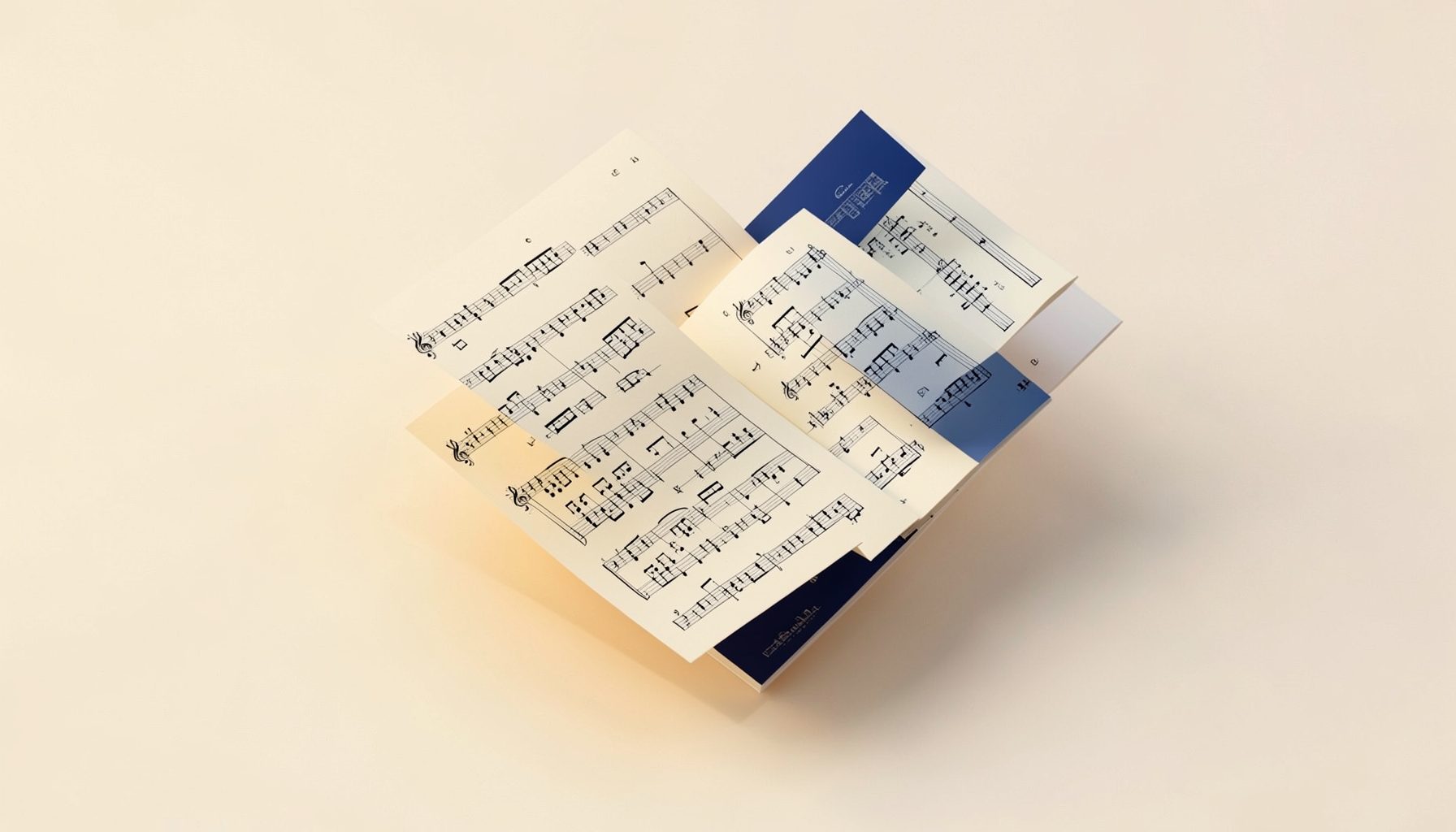
Teach the melody in small phrases. Sing one line, invite the children to echo it, and then connect it to the next line. Point out repeated words, breathe naturally, and model clear pronunciation. If the song has several verses, secure the chorus or primary message before adding more material.
Watch the children rather than focusing only on the page. Tired faces, wandering attention, or uncertain singing may indicate that the song needs a change in pace or method. A quick stretch, a verse sung by a smaller group, or a silent listening challenge can restore focus without turning the activity into a competition.
Use visual aids with restraint. A few meaningful pictures can clarify lyrics, while too many props may cause children to watch instead of sing. For songs about service, display simple images of helping hands; for songs about prayer, use a picture that reinforces the central idea. Remove aids gradually as children memorize the words.
Simple practices that strengthen each week
Consistent preparation helps a music leader serve children with confidence. Before Primary, mark the verses to teach, confirm the starting pitch, and decide how the song will connect to the lesson. Afterward, note which phrases caused difficulty so the next practice can address a specific need.
Use these recommendations when building a monthly plan:
- Select one central gospel message for each singing-time segment.
- Combine a familiar song with one newer selection instead of teaching several new songs.
- Keep actions simple enough that children can sing while performing them.
- Adjust the key, tempo, or accompaniment when children struggle to stay together.
- Let children lead small portions after they demonstrate musical confidence.
A thoughtfully chosen LDS music collection can serve children at many levels, from toddlers learning a repeated phrase to older children preparing a meaningful musical number. Focus on participation, understandable doctrine, and a reverent atmosphere, then let the music do its work. Gather a few suitable songs, prepare one clear teaching approach for each, and make the next singing-time experience a moment where every child has a voice.