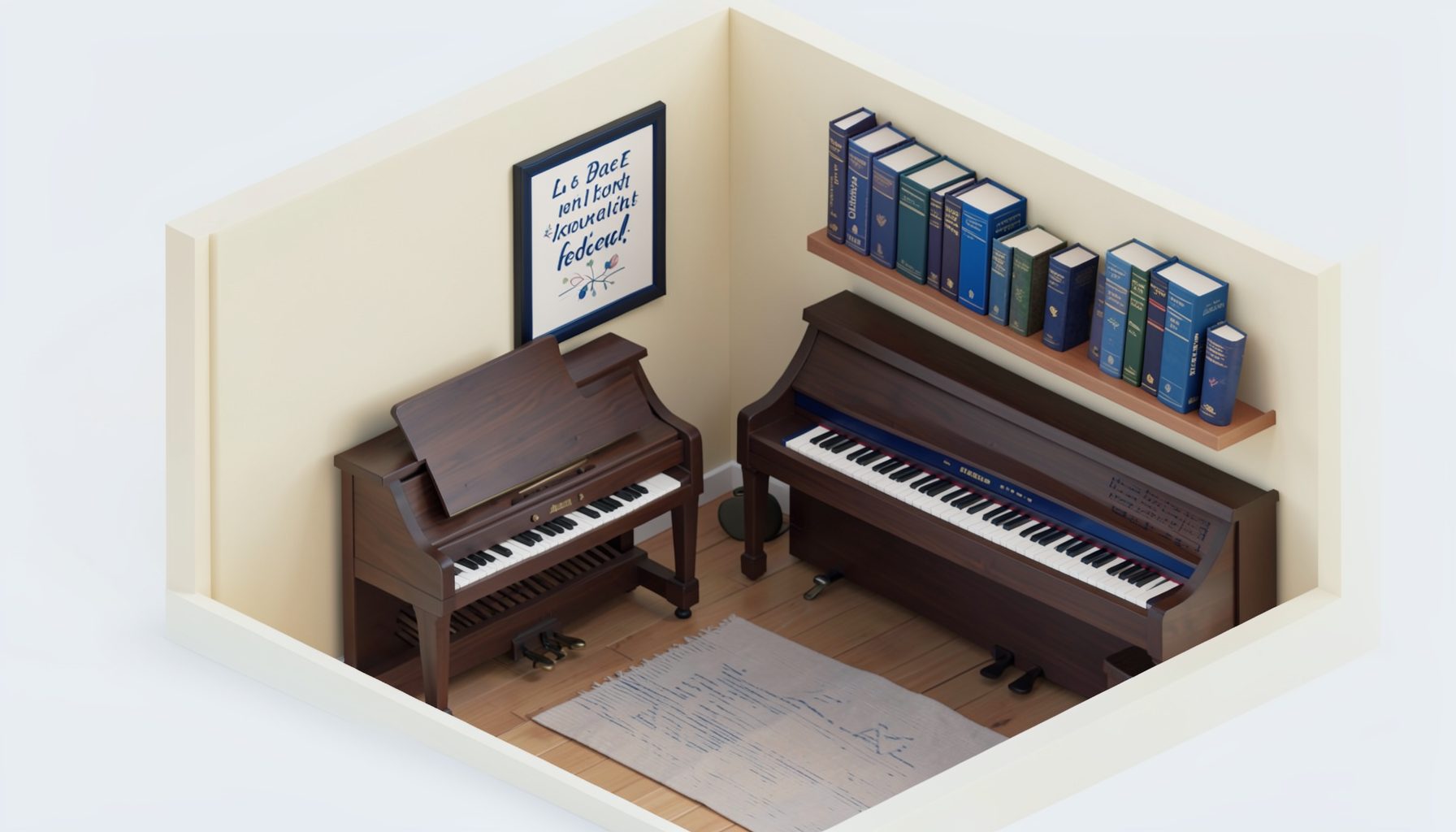

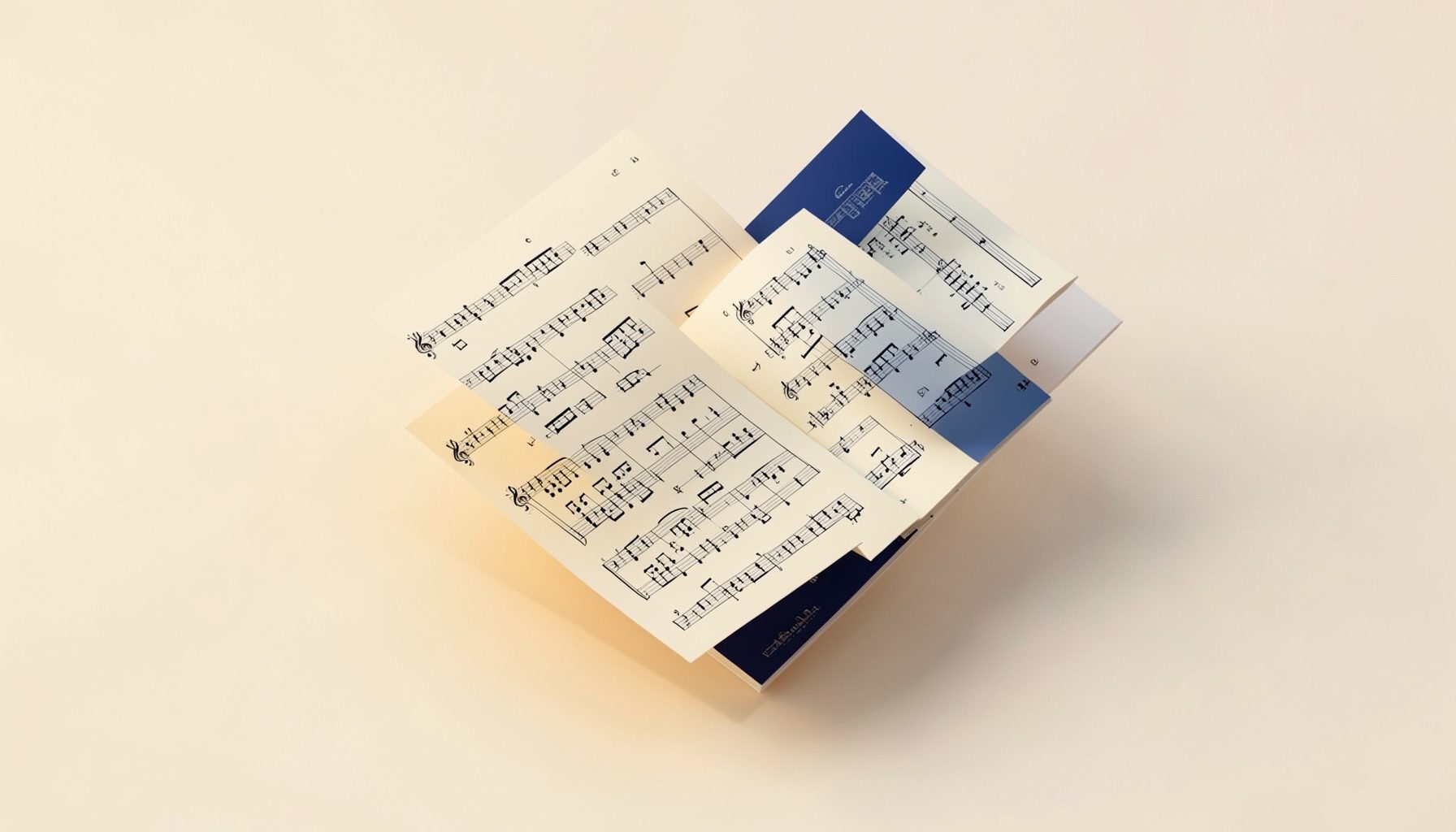

A look at the evolution of LDS album cover art
Latter-day Saint album artwork has shaped the visual identity of a devoted genre. From modest sleeve designs pressed into cardboard to high-resolution digital booklets designed for streaming platforms, the journey reflects shifts in how sacred and semi-sacred content has been packaged. The arc is cultural, revealing how producers have balanced reverence with accessibility across formats and decades.
For Australian listeners, the artwork carried physical significance. A glossy booklet shipped from Salt Lake City to a porch in Perth represented connection and distance, a tangible link to a tradition thousands of kilometres away. Fans in Adelaide, Brisbane, and Sydney often swapped albums by post, noting which sleeves held up best through humidity and dry summers alike.
The early decades of the genre were dominated by choir recordings, youth ensemble projects, and solo albums associated with EFY and the broader Latter-day Saint cultural scene. Visual packaging was often practical, ecclesiastical, or both. As formats evolved, so did the capacity for richer imagery, eventually allowing for commissioned illustration and digital compositing.
Looking back across these transitions offers a window into how a niche market treated visual identity as seriously as the music itself. The artwork was never incidental; it was part of the listening experience, setting tone and expectation before the first note played.
| Era | Dominant format | Typical visual style | Collector characteristic |
|---|---|---|---|
| 1970s–1980s | Vinyl LP | Earth tones, full-bleed photography | Sleeve preservation, large real estate |
| 1980s–1990s | Cassette | Hand-drawn, collage, photocopied | Portability, car culture, mail trading |
| 1990s–2000s | CD jewel case | High-res photography, foil stamping | Booklet display, shelf curation |
| 2000s–2010s | Digital download | Clean thumbnails, strong central image | File organisation, screen legibility |
| 2010s–present | Streaming, social | Minimalism, atmospheric, square-first | Phone wallpaper, social sharing |
The vinyl era foundations
Long before CD jewel cases and digital thumbnails, vinyl LPs offered the largest real estate for album art in the industry. LDS releases pressed in small runs typically featured full-bleed photography of temple grounds, mountain landscapes, or formal portraits of choir ensembles. The aesthetic was restrained and institutional, mirroring the printed hymnals and magazine layouts of the era.
Typography followed suit, with titles in straightforward serif or sans-serif faces positioned at the top or bottom of the sleeve. Colours trended muted: earth tones, soft blues, and gentle pastels that signalled reverence. The artwork rarely aimed for rebellion; instead, it communicated continuity, belonging, and tradition. Australian collectors who found these records in Sydney's inner west or at estate sales in regional Victoria often noted how the matte cardboard aged into a warm patina over decades.
Cassette culture and DIY aesthetics
The compact cassette arrived in the 1980s and introduced a more democratised era for album packaging. J-card designs were smaller, often photocopied, and frequently assembled by local artists or small ensembles releasing music independently. LDS cassette releases during this period ranged from homemade EFY compilations to professionally duplicated youth choir projects, with a correspondingly varied visual identity.
Some covers featured hand-drawn illustrations, cut-and-paste collages, or grainy colour photographs. Others leaned into the polished look of major-label contemporaries with airbrushed graphics and metallic foil accents. The format encouraged creativity because the constraints of a narrow sleeve demanded careful composition. For Australians, cassettes were portable, fitting neatly into the car stereos common across long drives between Outback service stations or along the coast between Sydney and the Gold Coast.
CD booklet renaissance
The compact disc era, beginning in earnest in the late 1980s and flourishing through the 1990s, transformed album packaging into a miniature gallery. The standard jewel case with its twelve-by-twelve-centimetre booklet offered multiple surfaces for expression, allowing artists to include liner notes, lyrics, production credits, and high-resolution photography. LDS album art grew bolder, often featuring landscape photography from southern Utah, family scenes, or stylised portraits of soloists and instrumentalists.
Production values rose alongside the format. Designers experimented with embossed covers, foil-stamped logos, and gatefold packaging for special releases. For listeners in Adelaide, Hobart, or Canberra, these deluxe editions became collectable items, often displayed on dedicated shelving units. Many Australian fans still recall browsing the EFY music selections in person or through mail-order catalogues, marvelling at the glossy spreads tucked inside each case.
Digital album imagery
The transition to digital distribution in the 2000s and 2010s shifted the focus from physical sleeves to thumbnail-friendly imagery. Album art had to read clearly at small sizes on screen, a constraint that reshaped design priorities across the board. LDS artists and labels responded with cleaner compositions, stronger central imagery, and text that remained legible when reduced to icon size.
Digital storefronts demanded designs that could survive being shrunk, cropped, or displayed against various background schemes. Designers settled on covers that often featured a single dominant photograph or illustration, minimal text, and a clear visual hierarchy. The aesthetic echoed trends in mainstream contemporary worship releases, which had moved away from dense illustration toward more cinematic, atmospheric imagery.
Contemporary minimalism and streaming standards
Today, LDS album cover art navigates an environment dominated by streaming platforms, social media sharing, and playlist culture. Square formats still reign, but designers now think about how artwork appears on a lock screen, a Spotify playlist, or an Instagram story. Modern releases favour strong focal points, atmospheric colour palettes, and refined typography suited to a phone screen viewed in a Melbourne laneway café or a Sydney commuter carriage.
Minimalism has become a deliberate aesthetic choice rather than a limitation. Negative space, restrained colour, and subtle texture convey reverence without clutter. The most thoughtful contemporary covers balance tradition with contemporary design language, offering collectors and casual listeners alike a visual entry point that feels both familiar and fresh. Some labels now release companion visuals, allowing fans to engage with the imagery beyond the album itself. For those curious about how the music functions in sacred settings, this companion article on temple ceremonies explores the topic in more depth.
The Australian collecting tradition
Across Australia, a quiet tradition of collecting LDS album art has persisted, even as physical music sales have declined. Many families in suburban Perth, regional New South Wales, and coastal Queensland have shelves, frames, or shadowboxes dedicated to favourite sleeves and booklets. The artwork carries emotional resonance because the music often accompanies significant life moments. Many Australians keep a stash of physical media even as they stream, treating each disc and its artwork as artefacts of faith, family, and identity.
Local markets, including community fairs and church cultural events in cities like Brisbane and Melbourne, sometimes feature small displays of vintage LDS recordings. Collectors trade limited pressings, autographed copies, and ambitious debut releases. Parallel importation rules in Australia, governed by the Copyright Act 1968, allow consumers to import legitimate copies from overseas without regional restriction, which has historically given Australian collectors broader access to niche releases than fans in many other countries. Dedicated specialty music retailers once served this community through carefully curated catalogues.
Practical pointers for preserving and curating LDS album covers:
- Store vinyl in poly-lined inner bags to prevent sleeve wear and seam splits.
- Keep CDs in jewel cases away from direct sunlight to maintain printed-page vibrancy.
- Photograph high-value sleeves at high resolution for insurance and archival purposes.
- Use acid-free sleeves for any artwork intended for long-term framing and display.
- Trade duplicates through Australian LDS community groups on established social platforms.
- Digitise liner notes and lyrics to retain context when physical copies eventually degrade.
- Frame standout covers behind UV-protective glass for safe, sun-resistant display.