

A Program in Song for a Relief Society Birthday Party
Relief Society birthday parties often sit between a family celebration, a testimony meeting and a musical devotional. A working title such as A Program in Song gives the evening a clear focus. Invite each person being celebrated to name a hymn, an EFY or LDS artist favourite, or a family song with a special memory, then build the programme around those choices. The result feels personal while giving the group a shared musical path.
The plan should cover three equally important needs: a host team that knows its roles, music participants can sing or enjoy, and a room that supports devotion and conversation. A four-part musical arc—gathering, sharing, celebration and gratitude—suits a two-and-a-half to three-hour party. It also lets relatives who do not know one another join in without feeling pushed into a performance.
Australian ward gatherings add practical variables. In Sydney and Melbourne, guests may travel across large metropolitan areas, so parking, train or tram directions and the finish time belong on the invitation. Brisbane hosts should have a warm-weather alternative for outdoor singing, while a Perth evening may require additional lighting inside the meetinghouse. These details shape the musical flow as much as seating or catering.
Keep the budget and music direction aligned from the outset. Decide whether the emphasis will be congregational hymns, songs by Latter-day Saint artists, instrumental arrangements, or a mixture. The former LDS Music Store catalogue remains useful as a reference for repertoire and materials, but current prices and availability should be checked with Australian specialist booksellers, second-hand music dealers and online sheet-music sellers before committing.
| Programme moment | Musical focus | Suggested length |
|---|---|---|
| Gathering | A familiar hymn that settles the room | 5–7 minutes |
| Sharing | Short solos or a family testimony song | 10–15 minutes |
| Celebration | Two birthday selections or an artist medley | 10–12 minutes |
| Gratitude | A familiar closing hymn | 5–8 minutes |
Set the theme and tone
Begin with one visual and musical idea, such as hymns through the decades, songs from home, or an artist concert evening. Repeat it in the invitations, decorations, slide backgrounds and programme booklet. A restrained theme helps those being celebrated feel honoured without turning every item into a costume or competition.
For a mid-century or rockabilly theme, a visual study of album-cover design history can inspire the invitations and photo display. Choose a palette from one era rather than borrowing several unrelated styles. Check permission before reproducing artwork and credit the designer or collection properly.
Choose the musical blocks
Start with a familiar hymn that settles the room, then reserve the liveliest material for after food and presentations. A possible sequence is an opening hymn, a short testimony or family story, two birthday selections, a relaxed instrumental interlude, and a familiar closing song. Repeat any tune the whole group can join, since participation carries more warmth than technical polish.
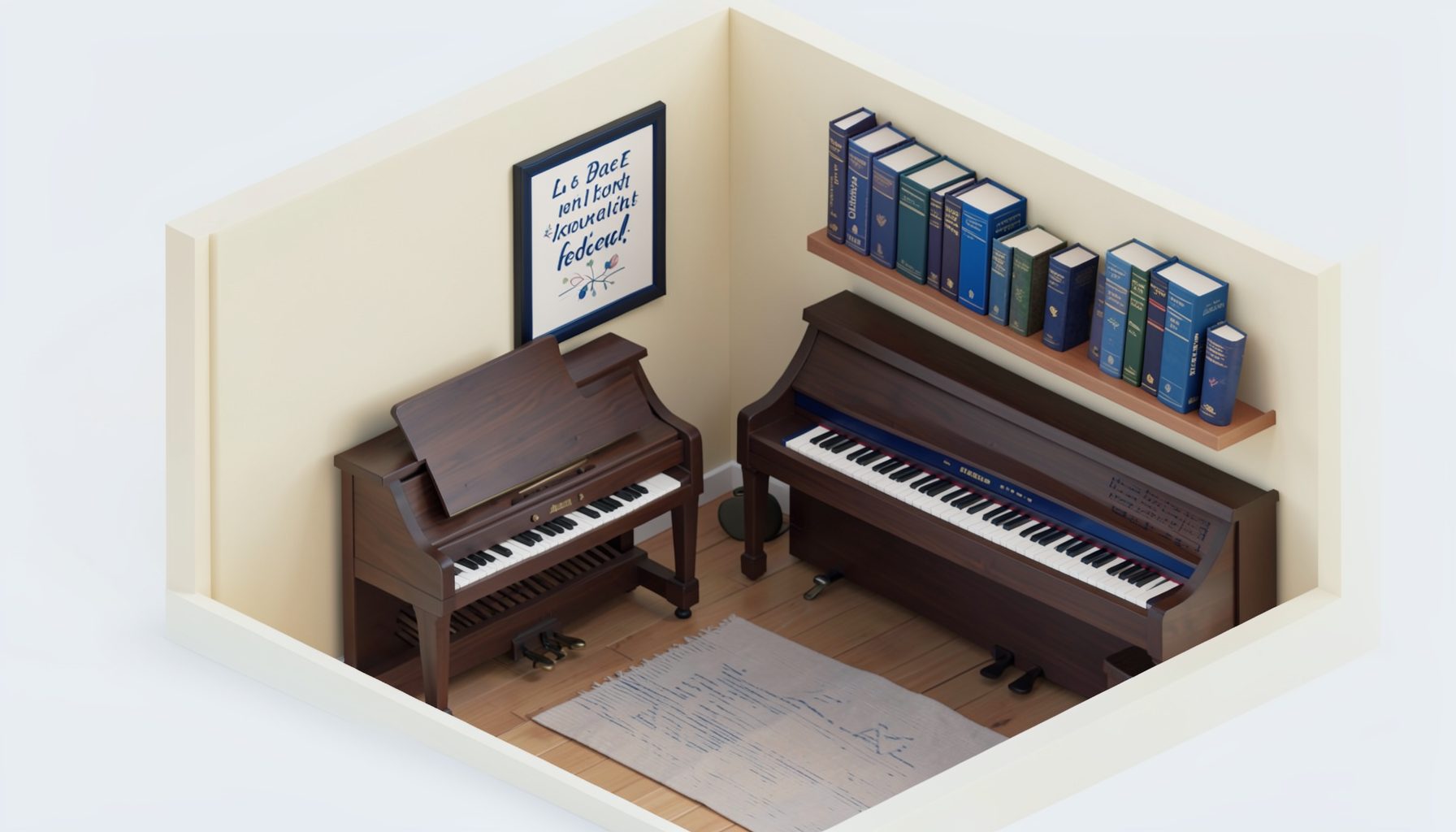
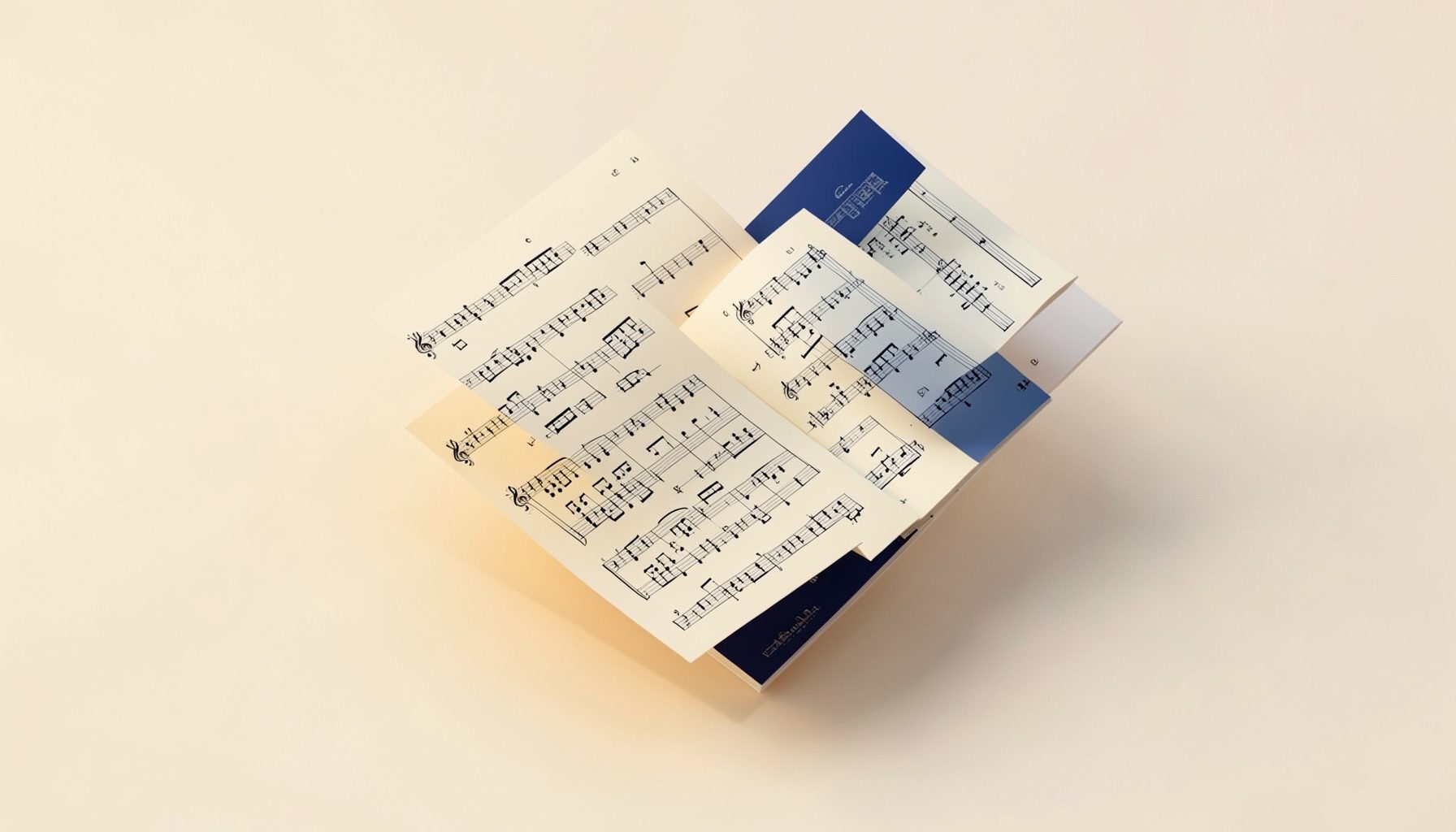
An archived sheet music catalogue can help the pianist compare keys, page counts and arrangement types. Look for simplified hymn editions, solo-and-concert styles, and medleys that fit one vocalist or a small family group. Older hymns may have several public-domain versions, while newer arrangements require current copyright permission.
Test every selection at the actual piano or keyboard. Give singers the lyric sheet, mark entries and pauses, and identify where the congregation responds. Keep the programme within the singers’ range; a modest key change is often kinder than a long rehearsal. Save unfamiliar material for the rehearsal rather than the party itself.
Build a realistic budget
Estimate spending in Australian dollars and divide it across music, food, printing, decorations, hall hire and small gifts. The hall and catering usually take the largest share, so music does not need an elaborate budget. A clear ceiling prevents last-minute purchases and protects the space for a genuinely celebrative evening.
An old guide to creating a budget music library remains a sensible model: borrow where practical, buy the arrangements used most, and download only what will actually be played. Compare Australian specialist church-supply shops with online sellers and local second-hand dealers, checking postage, GST-inclusive pricing and the date on each edition.
Reserve a small contingency for replacement sheet music, a keyboard stand or emergency lighting. Ask volunteers to contribute materials rather than money, and keep one donated item in reserve for the final blessing or birthday song. This approach creates a polished programme without making cost the centre of the celebration.
Plan invitations and Australian party details
Write the invitation in Australian date order and make the practical details easy to scan. Include:
- Use an Australian date such as Saturday, 18 July, and include the start and finish times.
- Give an RSVP deadline and one named contact for questions.
- State parking, public transport, step-free access and nearby disabled bays where applicable.
- Invite song requests and memories without requiring a formal response.
Food can follow familiar Australian party custom with pavlova, lamingtons, fruit, sandwiches or a warm meal, while preserving labelled options for allergies and dietary needs. Confirm these items:
- Include vegetarian and halal choices where requested, and label common allergens.
- Provide plentiful water and non-alcoholic drinks as well as tea and coffee.
- Arrange the cake, plates, napkins and a clear serving time.
- Keep a simple backup for a late or reduced guest list.
Assign each volunteer a simple job on the day and give the hosts one printed contact sheet. A ten-minute room check before guests arrive prevents most avoidable delays. End the invitation with a warm request for songs and memories, but keep the final programme decision with the host team and those being celebrated.
Rehearse the music and check logistics
Hold one full run-through with all singers, the pianist and the person controlling the music. Time transitions, microphone levels, announcements and the cake interval, then allow ten minutes for prayer or a short reflection. Mark the master playlist with cues, and keep a second copy on a phone and USB drive.
Check copyright and public-performance requirements for every hymn arrangement and recording. Ask the meetinghouse administrator or ward music coordinator which permissions already exist, and obtain any missing licence from the relevant rights holder. A familiar tune played without the proper permission can create an awkward last-minute interruption.
Protect the rehearsal by ordering music early and checking each specialist seller’s exchange terms. The former LDS Music Store returns policy illustrates why delivery damage, missing pages and incorrect editions should be raised promptly. Have the pianist unpack and inspect everything before the first full rehearsal, then correct pages at home.
Close with gratitude and shared celebration
Design the final ten minutes as a musical thank-you. After remarks and the birthday song, invite the group to sing one line from a familiar hymn, offer a short testimony, and conclude with music that returns to the opening theme. For a historical display, Hautemagie’s music resources can provide a starting point for background research, with sources credited beside any images.
Let those being celebrated choose the final song, but rehearse a backup the group knows well. Set out cards, small gifts and family photographs beforehand, then keep the final song uninterrupted. In many Australian families, a cake, pavlova or garden-themed gift gives the evening a generous local touch without adding lengthy speeches.
After the final note, allow the birthday guests to thank the organisers and invite everyone to stay for tea. Clear away glasses before moving seating for conversation, and retain one song sheet at each table as a keepsake. With clear roles, familiar songs and an unhurried close, the programme can feel sacred and sociable from beginning to end.