

An Introduction to LDS Instrumental Music: From Piano to Organ
Instrumental music has a distinctive place in Latter-day Saint worship, family devotion and personal study. A quiet piano prelude can settle a chapel before a meeting, while an organ-led hymn gives a congregation confidence to sing together. These sounds also work outside formal worship, accompanying scripture study, youth activities and moments of private reflection.
For newcomers, the range can seem broad. Piano arrangements may be simple enough for a beginner or rich enough for an advanced accompanist. Organ music introduces pedals, registration and sustained tone, while instrumental albums offer violin, guitar, flute, cello and ensemble settings of familiar hymns. Each format creates a different way to engage with melody, harmony and reverence.
A useful starting point is to consider the player, the setting and the purpose of the music. Someone in a Sydney apartment may need headphones and a compact keyboard, while a family in regional Queensland may have room for an acoustic piano. A chapel musician may need practical hymn accompaniments, whereas a listener may simply want peaceful background music for a Sunday afternoon.
Choosing An Instrumental Sound
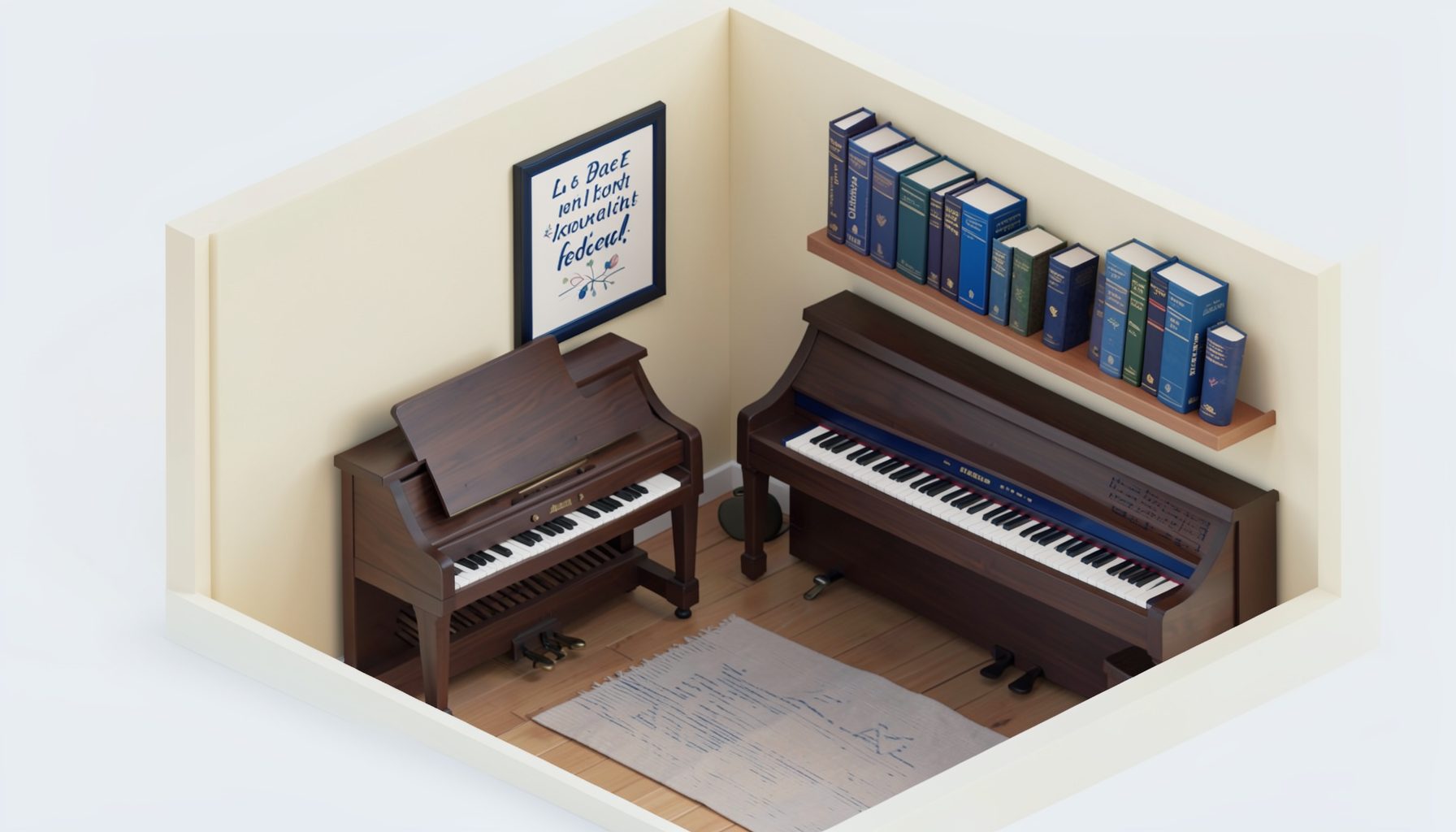
Piano is usually the most accessible entry point. The layout is visible, notes are easy to locate and a learner can play a recognisable hymn with modest technical ability. Digital pianos are popular in Australian homes because they provide volume control, weighted keys and headphone outputs, useful when neighbours are close or children practise after dinner.
The organ offers a more expansive sound. Its sustained notes and layered stops can make a hymn feel spacious, but the instrument demands coordination between hands and feet. Players also need to understand how registration changes colour and volume. A pipe organ has a physical presence that differs greatly from an electronic keyboard, although a good digital organ can provide a practical alternative for home practice.
Other instruments bring their own character. Strings can make a hymn intimate and lyrical, woodwinds can highlight a clear singing line, and guitar can suit informal family settings. Instrumental LDS music is therefore less about finding one “correct” sound and more about matching an arrangement to the occasion.
Piano Arrangements For Learning And Worship
Piano sheet music ranges from melody-with-chords formats to advanced concert arrangements. Beginners often benefit from a clear right-hand melody, simple left-hand patterns and comfortable page turns. Intermediate players may prefer fuller harmonies, passing chords and introductions that can lead naturally into congregational singing.
A pianist accompanying a meeting has different needs from someone playing for enjoyment. The accompanist must keep a steady tempo, leave room for breathing and avoid making the arrangement so elaborate that the congregation loses the tune. Familiarity with hymn structure matters as much as finger technique, especially when a leader extends an introduction or repeats a verse.
Printed music remains valuable, even as MP3 albums and streaming dominate everyday listening. A marked score can show a pianist where to simplify, where to slow down and which verses need a different treatment. For Australian musicians, locally available stock may be limited, so digital sheet music can be convenient; buyers should check format compatibility, printing rights and whether the licence permits use in a church setting.
Organ Technique And Sacred Atmosphere
Organ playing begins with learning how sound is produced. Unlike a piano, an organ does not naturally fade after a key is pressed. The player shapes phrases through finger release, changes in registration and, where available, expression pedals. This creates a legato style that supports long vocal lines and gives hymn verses a connected flow.
A new organist should practise hands separately before adding pedals. Short exercises in hymn accompaniment can build independence without overwhelming the player. It is wise to begin with a modest registration, listen carefully to balance and increase the sound only when the musical purpose requires it. In a small chapel, a restrained setting may be more effective than a grand, loud combination.
Access to an organ varies across Australia. Larger congregations in Melbourne, Brisbane or Adelaide may have instruments suitable for regular practice, while smaller branches and rural communities may rely on a keyboard with an organ setting. Before using a church instrument, players should arrange permission, learn local procedures and check whether an experienced musician can provide a brief orientation.
Bringing Instrumental Music Into Daily Life
Instrumental recordings can support a range of ordinary routines without turning every listening session into a formal exercise. Families might play a gentle piano album during scripture study, use a string arrangement before a devotional or choose a hymn-based soundtrack while preparing a Sunday meal. The best selection leaves space for conversation and reflection.
Australian listening habits also shape the practical choices. Downloaded albums can be useful during travel between country towns, while a CD may suit a household with an older stereo system. In apartments in Sydney or Melbourne, headphones and low-volume playback help maintain good relationships with neighbours. When purchasing recordings or sheet music from an online catalogue, Australian Consumer Law generally provides protections for eligible purchases, while copyright rules still govern copying and sharing.
Those exploring the history of a specialist LDS music retailer can read its catalogue background to see how CDs, MP3 albums, DVDs and printed music once served this audience. The store is no longer operating, but its documented focus illustrates how instrumental releases can sit alongside hymnbooks, artist recordings and educational material.
Practical habits can make a collection more useful:
- Keep beginner, intermediate and advanced arrangements in separate folders.
- Label digital files with the composer, instrument and arrangement level.
- Store printed scores away from heat, moisture and direct Queensland sunlight.
- Build a small repertoire of preludes, offertories and postludes.
- Record practice performances to check tempo, balance and unwanted pedal noise.
Building A Personal LDS Music Collection
A thoughtful collection does not need to be large. Start with a few dependable hymn arrangements, then add music that fills a genuine need: a Christmas instrumental album, a collection for youth activities, organ repertoire for worship or calming piano music for home use. Variety in instrumentation keeps listening fresh while a consistent spiritual focus gives the collection coherence.
When evaluating an album or score, consider length, performance level and practical use. A technically impressive organ recording may be inspiring to hear but unsuitable for a beginner to reproduce. Similarly, a beautiful piano arrangement may require a full-size instrument, making it less convenient for someone practising on a compact keyboard. Reviews, sample tracks and previews can help buyers judge suitability before committing.
A neighbourhood exchange can also broaden access, especially where specialist music shops are scarce. Families can trade duplicate CDs, lend hymnbooks or share recommendations while respecting copyright and keeping personal contact details private. Guidance on organising a music swap guide can help create a simple, orderly exchange rather than an unstructured pile of unwanted items.
A practical comparison makes the main choices easier to see:
| Instrument or Format | Strengths | Best For | Main Consideration |
|---|---|---|---|
| Acoustic piano | Rich tone and expressive dynamics | Home practice and hymn accompaniment | Requires space, tuning and considerate volume |
| Digital piano | Headphones, recording features and flexible volume | Apartments, beginners and varied schedules | Key feel and speaker quality differ by model |
| Pipe organ | Powerful sustained sound and broad tonal colour | Chapel worship and advanced study | Access, maintenance and specialised technique |
| Digital organ or keyboard | Portable organ sounds and lower cost | Home practice and small congregations | Pedal layout and sampled tone may vary |
| Instrumental recordings | Immediate access to polished performances | Devotion, travel and family listening | Check format, licensing and device compatibility |
The goal is a musical practice that feels sustainable. A beginner who plays one hymn carefully each week may gain more confidence than someone who buys advanced repertoire without a regular routine. Over time, piano skills can lead towards organ technique, ensemble playing or arranging, creating a natural path through the wider world of Latter-day Saint instrumental music.