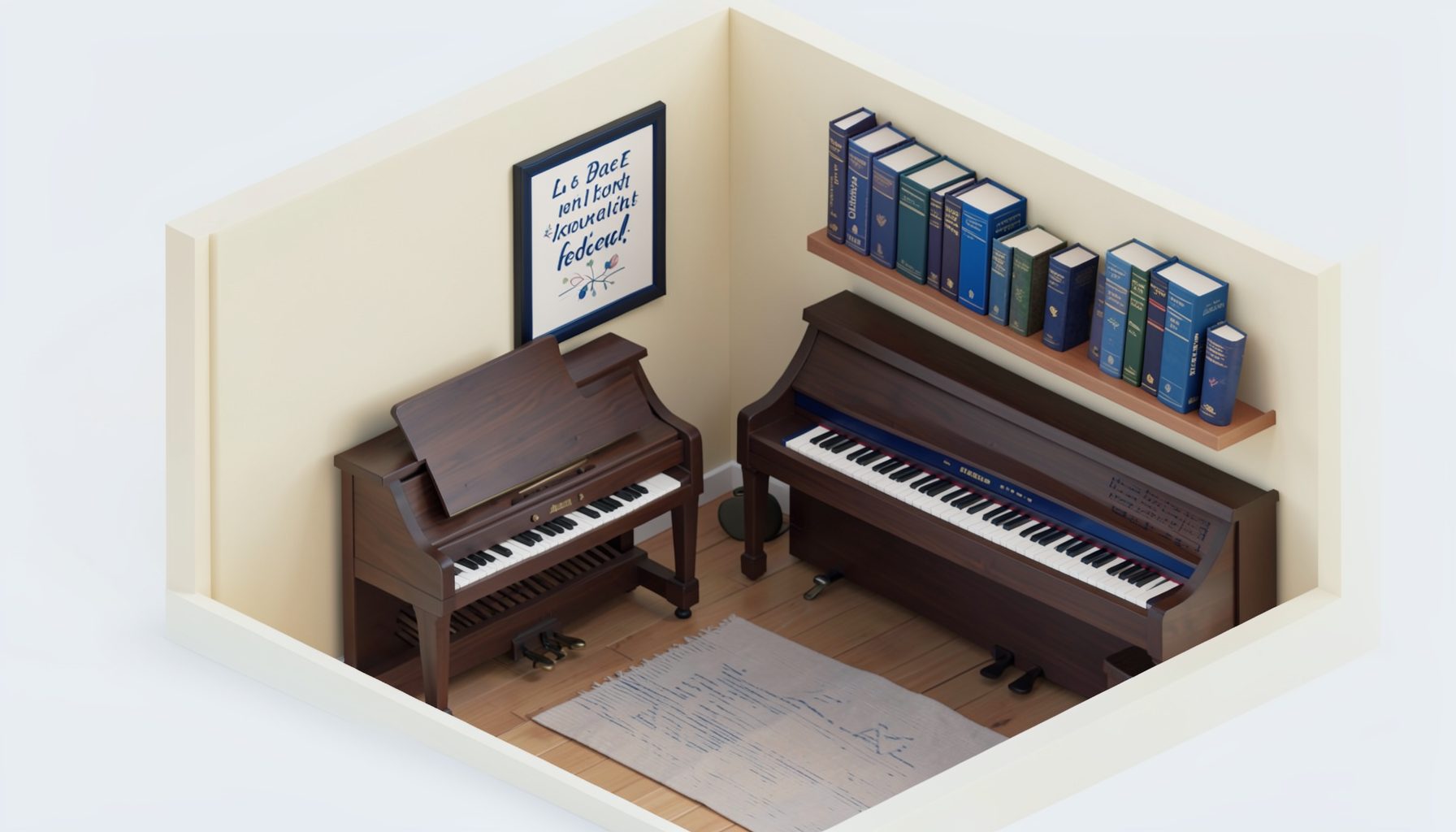



Behind the music: inspirations for songs of the Restoration
Behind the Music: The Inspirations for Songs of the Restoration follows the ideas beneath familiar Latter-day Saint songs: restored gospel, scripture, collective memory, promise and return. The repertoire includes nineteenth-century hymns, LDS artist albums, EFY recordings, choir arrangements and songs that turn the Book of Mormon or Doctrine and Covenants into narrative sound.
Although the former LDS Music Store has closed, its catalogue and reviews preserve a useful snapshot of how listeners encountered this music. For Australian readers, that history opens onto Sunday meetings, family singing, live performances in Sydney, Melbourne and Brisbane, and the practical choices involved in buying or borrowing records and sheet music.
Scripture and early Christian echoes
Restoration lyrics often begin with older Christian texts. Psalms supply images of refuge, praise and kingship; New Testament stories supply surrender, vigilance and endurance. In the Book of Mormon, Doctrine and Covenants and Pearl of Great Price, declarations about revelation, covenants and latter-day witness receive the same melodic treatment. A song therefore carries both a scriptural phrase and a Latter-day Saint interpretation of it.
Hymns such as Now Let Us Rejoice and The Battle of the Saints show another layer. Their language and musical forms belong to the hymnody, revival meetings and camp-meeting culture of nineteenth-century Anglo-America. When arranged for organ, strings or unaccompanied voices, they let a congregation experience the Restored Church as a spiritual community with a distinctive history. Australians may meet these pieces in ward hymnbooks, Christmas pageants or memorial services, where familiar tunes can turn private testimony into shared memory.
Folk memory and acoustic storytelling
Folk music mattered because many early Latter-day Saint stories were first preserved in song. Work, migration, military service and camp gatherings left narratives that could be sung without books; repetition carried them between generations. Fiddle, acoustic guitar, upright bass, banjo and handclaps were practical instruments as well as cultural markers. That plainness is a sound of testimony, not merely a nostalgic production style.
The folk music’s modern influence is visible when contemporary LDS artists pair narrative lyrics with acoustic textures or reinterpret older forms for amplified stages. Some borrow directly; others share an instinct for communal storytelling. The connection is strongest where a melody leaves room for several voices and where instruments support the words rather than overpower them, a balance familiar in folk, bluegrass and revival worship.
Gospel, pop and the contemporary LDS sound
EFY and later LDS artists widened the palette through pop, rock, soul and musical theatre. Their inspirations include mainstream studio production, family histories, missionary experiences and the emotional pressure of leaving home. A polished bridge or drum break may be contemporary, but the dramatic centre often resembles an older ballad: one voice states a conflict, another answers, and the group resolves it together.
Large choirs create a different kind of release. A Tabernacle Choir live review illustrates how organ, orchestral colour and massed voices can make doctrine feel like a shared event. Australian listeners can encounter that scale in major concert venues as well as local stake choirs, school musicals and community halls. Regional performances often depend on family networks, volunteer accompanists and audiences accustomed to the communal energy of live music events.
Arrangements for singing at home
An arrangement is an interpretation with instructions. A four-part hymn may move from unison to close harmony; a piano score may add octaves, countermelody and marked dynamics; a concert version may reshape tempo for breath and projection. These choices alter whether a Restoration text sounds introspective, urgent or majestic. Songbooks and piano sheet music were therefore more than convenience products, preserving decisions about pace, articulation and communal sound.
That practical history connects with Australian habits of singing in cars, kitchens and small rooms before formal meetings. A downloadable track or sheet arrangement can turn the family dinner, school run or long drive into rehearsal. Producers also work with instrumental vocabularies beyond worship; the rockabilly slap-bass evolution shows how one sharply defined playing style can influence an entire ensemble. Such contrast can make a solemn Restoration lyric feel immediate while preserving its hymn roots.
Australian settings, markets and meanings
Australian settings change how Restoration music is heard. English-language worship arrives through imported DVDs, CDs and digital downloads, while local musicians add their own accents, arrangements and stories of travel. In Sydney, Melbourne, Adelaide, Brisbane and smaller regional communities, secondhand record shops, church bookshelves and specialist mail-order catalogues have supplied music outside mainstream charts. The archived LDS Music Store belonged to that focused retail culture rather than to mass-market general stores.
Collectors also cross from records into complementary objects and themed displays; the Chat Noir online catalogue illustrates the appeal of a tightly edited specialist shop beyond chain retailers. Legal and market rules also shape music discovery. The Copyright Act 1968 governs copying and communication, APRA AMCOS licences may cover public performance of recorded and live music, and Australian Consumer Law sets guarantees for goods and services. A 10 per cent GST and import charges can influence whether an American release or imported score is bought new, sourced locally or simply streamed.
| Musical source | Central idea | Sound to listen for | Useful comparison |
|---|---|---|---|
| Psalms and biblical narrative | Refuge, praise and covenant | Organ, spoken-text phrases and measured rhythm | Compare a psalm setting with a modern lyric built around the same image |
| Early Christian hymnody | The gathered remnant and restored belief | Four-part harmony, traditional melodies and call-and-response | Hear how a congregation changes the meaning of each verse |
| Folk and revival music | Migration, hardship and shared memory | Acoustic strings, handclaps and narrative verses | Compare a simple communal version with a polished studio recording |
| Gospel, pop and rock | Mission, home and spiritual struggle | Riff-based build, layered vocals and contemporary drums | Trace where the arrangement departs from the hymn model |
| Choral and orchestral writing | Collective testimony and celebration | Antiphonal sections, organ colour and massed voices | Listen for the point where individual words become a shared statement |
A listening map for Australian listeners
A listening route works best when it moves between sound, story and setting rather than grouping everything by date. For new arrivals to Restoration music, a thematic route can include:
- Trace a phrase from Psalms, the Book of Mormon or Doctrine and Covenants into a lyric and recording.
- Compare a solo piano setting with a four-part choral version of the same hymn.
- Note how themes of covenant, repentance, gathering and mission change with each artist.
- Pair an early Restoration hymn with a contemporary song that responds to it.
For listeners interested in production and performance, another route can include:
- Follow the organ or piano introduction to see how a gathering begins.
- Track the point where a solo becomes a multi-voice or congregational passage.
- Contrast an acoustic arrangement with an amplified version of the same song.
- Compare a home sing-through with a recorded choir performance.
Across these paths, the oldest material remains flexible. Scripture supplies the central claims, communal history supplies emotional weight, and each generation supplies a new sound for songs intended to be remembered together.