

Behind the Scenes of Recording a Solo Album at Temple Square
Recording a solo album at Temple Square involves far more than standing behind a microphone and singing through a collection of polished arrangements. The setting carries history, spiritual significance and a particular acoustic character, so every artistic decision must respect the space while allowing the performer’s own voice to remain recognisable. Learn more about Remington S Core Lokt A Hunter S Breakdown Of This Classic Bullet.
For an LDS artist, the project may begin months before the first session. Songs are selected, keys adjusted, backing parts prepared and devotional intentions clarified. A hymn arrangement can look simple on paper yet require careful attention to phrasing, breath control and the balance between personal expression and congregational familiarity.
Listeners in Australia may experience the finished recording through a ward performance, a streaming platform or an older physical CD sourced from a specialist catalogue. The journey from a rehearsal room in Sydney, Melbourne or Brisbane to a recording venue in Salt Lake City is a detailed process shaped by musicians, engineers, producers and the quiet discipline of repeated takes.
Choosing songs with purpose
A solo album usually starts with a central idea rather than a random playlist. The singer might want to explore faith during uncertainty, celebrate the language of traditional hymns or create music suitable for family devotionals. This purpose helps determine whether the record should sound intimate and piano-led, expansive with strings, or contemporary with restrained percussion.
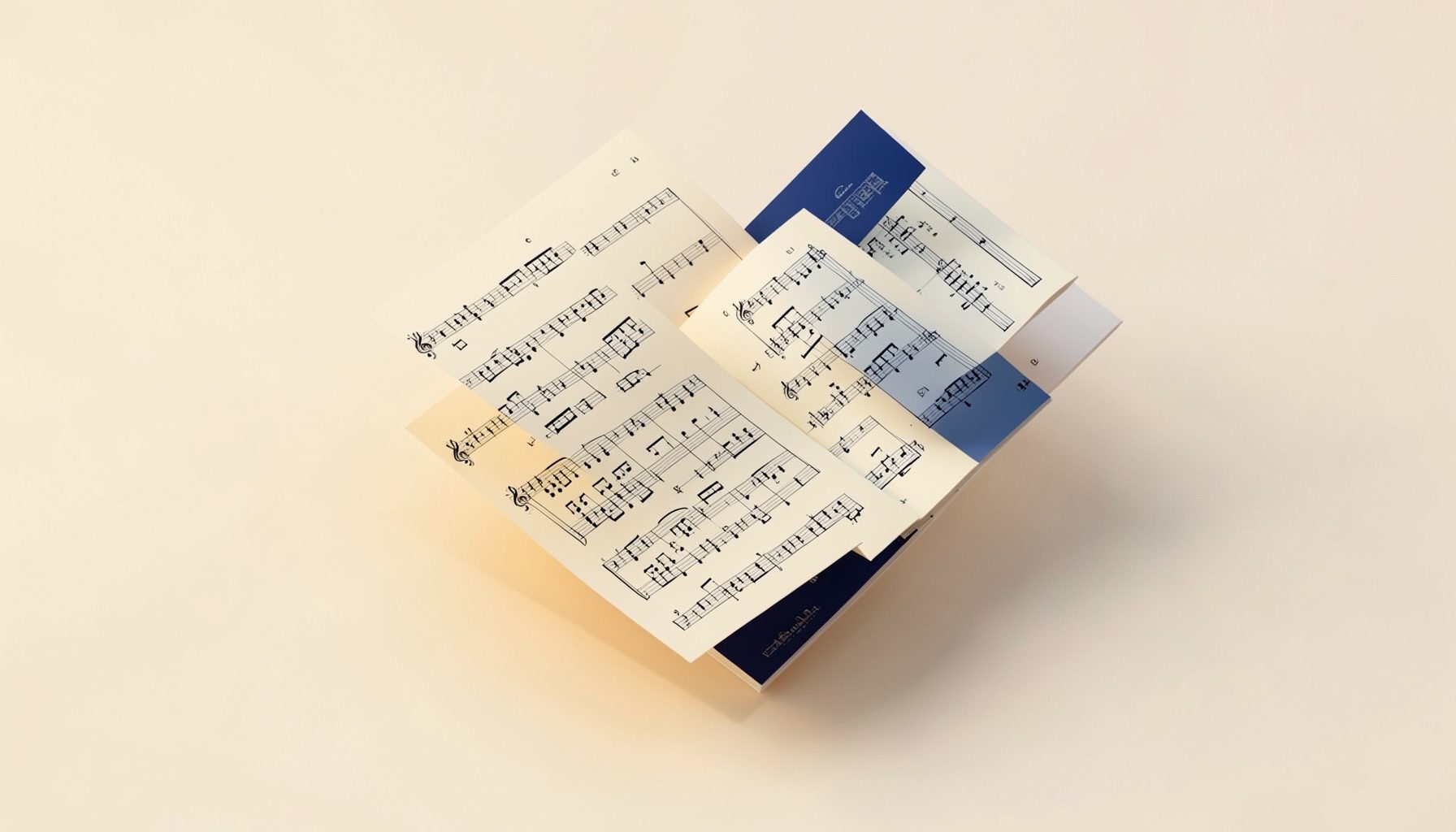
Song selection also involves practical questions. A well-known hymn needs a fresh arrangement without losing its identity, while an original composition must sit comfortably beside established sacred music. Sheet music is often revised several times as the producer tests different keys and tempos; performers researching arrangements may browse sheet music resources before settling on a version that suits the vocalist.
For Australian listeners, the emotional setting can be quite different from a Utah recording room. A song heard during a humid Brisbane evening, a long drive through regional New South Wales or a quiet Sunday morning in Adelaide may carry its own associations. Producers often keep that broad audience in mind, aiming for arrangements that travel well across cultures and generations.
Preparing the voice and arrangement
The weeks before recording are filled with preparation that rarely appears in album publicity. The vocalist works with a vocal coach on breath support, consonants, vowel shape and stamina. A demanding ballad may be lowered by a semitone, while a familiar hymn may be raised to give the chorus greater lift.
Musicians create guide tracks so the singer can rehearse with the intended tempo and emotional shape. Piano, strings, guitar and percussion are recorded or programmed around the lead vocal, with spaces deliberately left for natural pauses. In sacred music, silence can be as important as sound; an overfilled arrangement may weaken the reflective quality of the lyrics.
Australian singers also have to manage travel and time-zone disruption when recording overseas. A flight from Perth or Melbourne to Utah can affect sleep, hydration and vocal consistency. Some performers schedule a quiet day after arrival, while others rehearse remotely with musicians at home before travelling to the studio.
Working inside a historic setting
Temple Square creates a strong sense of place, even when the actual recording room is a controlled studio environment nearby. Engineers listen for the warmth and resonance associated with the campus, then decide how much of that character should enter the final mix. Too much natural ambience can blur diction; too little can make a sacred performance feel flat.
The producer’s role is part musical director, part editor and part emotional guide. During a take, they may ask for a softer entrance, a clearer final consonant or a less dramatic crescendo. These small changes can take several attempts, especially when the singer is trying to preserve genuine feeling rather than deliver a technically perfect but detached performance.
A production company such as Storm King Productions represents the broader type of creative support involved in music projects: planning, coordination, design and delivery all influence how an album reaches its audience. Even a modest solo release requires schedules, file management, artwork approvals and careful communication between people in different locations.
Capturing the decisive take
Recording begins with a series of test performances. The singer may complete an entire song several times while the engineer checks microphone placement, headphone balance and room noise. A cough, chair movement or distant mechanical sound can make an otherwise excellent take unusable, although modern editing allows producers to repair many small imperfections.
The lead vocal is often recorded in sections, but the strongest albums retain the sense of a complete performance. Producers may combine the best verse from one take with the chorus from another, then ask the vocalist to record connecting lines so the phrasing remains natural. Breath sounds are reduced selectively rather than erased, because a completely sanitised vocal can lose its humanity.
A memorable session is not always the loudest or most dramatic. Sometimes the decisive take arrives after the singer stops trying to impress the microphone and focuses on the person who may hear the song alone at home. That shift can change the colour of the voice, producing a quieter performance with greater emotional reach.
Editing, mixing and mastering
Once the tracking sessions finish, the project enters a less visible stage. Engineers clean unwanted noise, align harmonies, correct timing where necessary and organise dozens of audio files. The producer then reviews the arrangement as a whole, checking whether the album develops naturally from its opening track to its final blessing or reflection.
Mixing determines how the listener experiences the recording. The vocal must remain clear above piano or orchestral layers, while reverb provides atmosphere without making the words indistinct. On headphones, a mix may feel intimate; through a car stereo or a Bluetooth speaker at a family gathering, it needs enough presence to retain its shape.
Mastering gives the finished tracks consistent volume and tonal balance. It also prepares versions for different formats, including digital files, CDs and sometimes promotional video. For an Australian audience, distribution may involve international shipping, regional digital availability and prices affected by currency conversion and GST, all of which can influence whether listeners choose a physical album or a download.
Sharing music beyond the studio
Album artwork and liner notes extend the recording’s message. Photographs may use Temple Square architecture, seasonal landscapes or simple portraiture, while the written material explains the inspiration behind selected songs. These details help listeners understand the project without turning it into a marketing exercise.
The completed album may appear in a church music collection, at a concert table or in an online archive documenting LDS artists and releases. Its life can continue through youth conferences, stake events and family listening. In Australia, a song might be used during a devotional at a local meetinghouse, then heard again around a campsite near the Blue Mountains or on a road trip along the Great Ocean Road.
A useful companion for families choosing music for an outdoor spiritual gathering is this guide to camping trip devotionals. The setting may be informal, with gum trees, chilly mornings and a portable speaker, yet the right performance can create the same reflective pause sought in a professional studio.
Practical listening notes
- Listen first for the singer’s breath and diction rather than the size of the orchestral arrangement.
- Compare the opening and closing tracks to notice how the album’s emotional direction develops.
- Use headphones for quiet vocal details, then test the recording on a car system or household speaker.
- Read the liner notes to understand why particular hymns, tempos and instrumental colours were chosen.
- Keep physical CDs safely stored, especially when they are part of a limited LDS music collection.
- Treat the album as devotional material as well as entertainment, allowing space for reflection between songs.
The finished record may sound effortless, but that ease is built from planning, restraint and many small decisions. Behind each sustained note are rehearsals, retakes, editing sessions and conversations about what the song should mean. That careful work allows a solo album recorded near Temple Square to reach listeners far beyond Utah, including families and congregations across Australia.