

Best LDS Music for a Youth Conference Talent Show
A youth conference talent show works best when the music leaves room for personality. A confident vocalist, a tight vocal group or a nervous pianist can all shine with the right Latter-day Saint song, provided the arrangement suits the performer rather than simply copying the original recording.
The strongest choices usually combine a memorable melody with a clear spiritual message. Songs about discipleship, hope, service and finding light can feel sincere without turning every performance into a formal sacrament meeting number. Upbeat EFY tracks and contemporary LDS artist releases can bring energy, while hymn arrangements offer familiarity and emotional depth.
For Australian youth, practical planning matters as much as song selection. A conference may bring together wards from across a large stake, with young people travelling from Sydney suburbs, regional Queensland, Adelaide or rural Western Australia. A song that sounds excellent with a full band may need to work just as well with a keyboard, acoustic guitar or backing track in a hired hall.
The former Your LDS Music Store catalogue is useful as a record of the styles available to LDS listeners: CDs, MP3 albums, DVDs, songbooks, hymn arrangements and piano music. Although the store has ceased operation, its artist coverage and music resources provide a helpful starting point for building a varied, uplifting talent-show set.
Choose Songs That Match The Performer
A solo singer may suit a reflective piece such as “Where Can I Turn for Peace?” or a modern arrangement of “I Know That My Redeemer Lives.” These songs allow a performer to focus on pitch, phrasing and interpretation instead of trying to overpower a large production. A lower voice can benefit from a transposed key, while a young soprano may prefer a lighter arrangement with space for sustained notes.
For confident performers, contemporary worship songs with a strong chorus can create a memorable centrepiece. “I Will Go and Do” and “I’m Trying to Be Like Jesus” can be adapted for a solo, duet or small vocal ensemble. The words should remain understandable, especially in a noisy multipurpose venue where lyrics can disappear under a dense backing track.
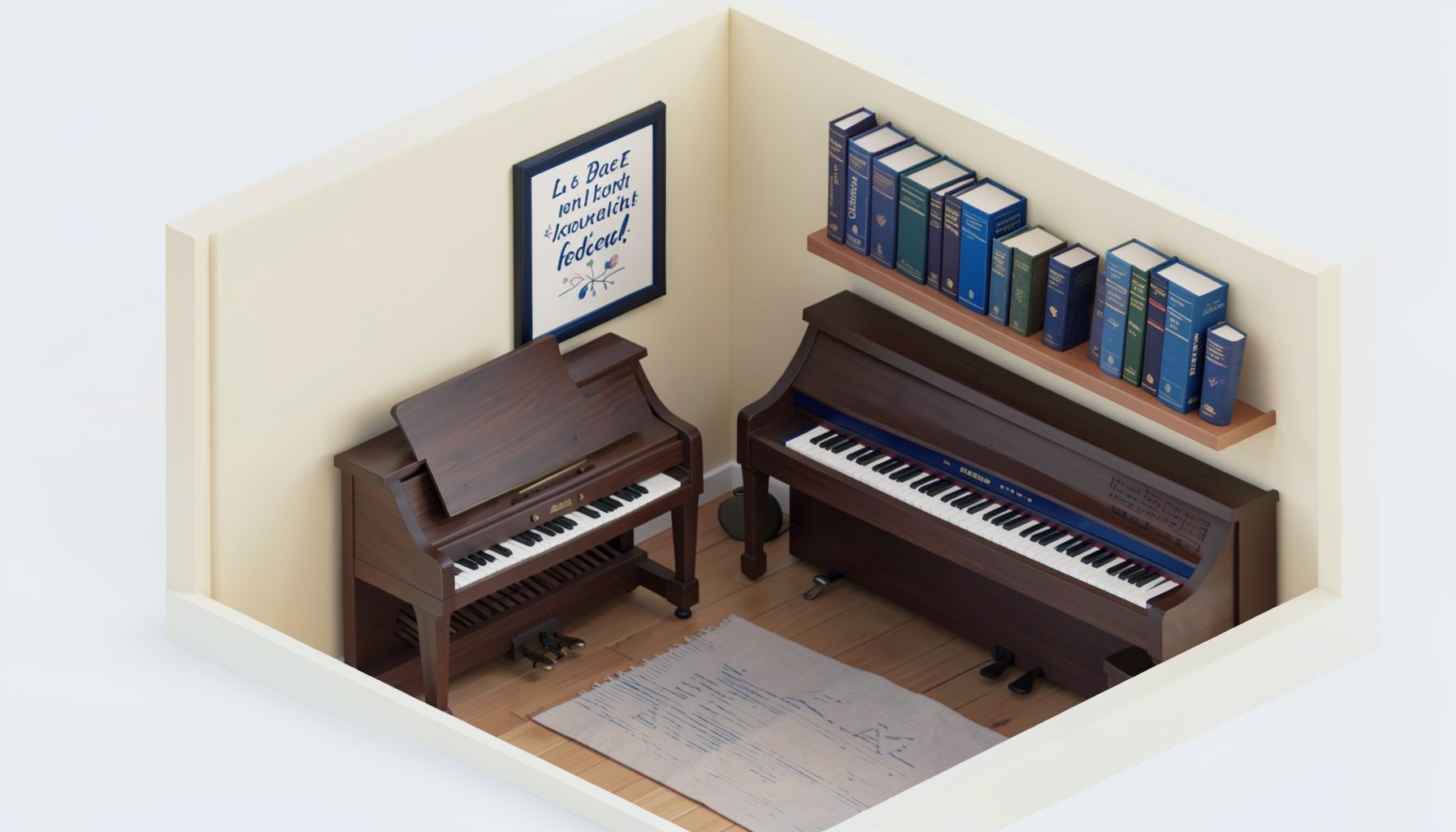
Instrumentalists have plenty of options too. A piano solo based on “Come, Come, Ye Saints,” “Be Still, My Soul” or “Nearer, Dearer, Home” can sound polished without requiring complicated stage equipment. Guitarists might use a gentle fingerstyle version of “I Am a Child of God,” while a violinist or flautist could carry the melody over simple piano chords.
Build A Balanced Setlist
A talent show feels more engaging when the programme moves between moods. Open with something bright and rhythmic, place a heartfelt ballad near the middle, then finish with a confident group performance. This structure helps the audience stay attentive and gives different performers a fair chance to stand out.
EFY and youth-oriented recordings are especially useful for creating momentum. Songs with clear beats can support a dance, body percussion or vocal harmony arrangement, provided the performance remains appropriate for a Church setting. A small group might combine “The Lord Is My Shepherd” with a modern chorus, or use a gospel-themed medley that moves naturally from personal faith to service.
Keep the total performance short. Two to four minutes is usually enough for a solo, and a group medley should have only two or three connected sections. At a stake youth conference, there may be many acts, announcements and meal breaks, so a concise arrangement is kinder to both the programme and the audience.
Let The Message Shape The Arrangement
A sacred song becomes more effective when the arrangement reinforces its message. A song about prayer might begin with unaccompanied vocals before adding piano. A service-themed number could use layered harmonies, with each singer entering to suggest people working together. Musical decisions can make gospel principles easier to feel without requiring a long explanation from the stage.
The resource gospel teaching through music offers useful context for connecting lyrics, musical choices and faith-based learning. That approach is valuable for a youth conference performance because it keeps the message central while still allowing creativity.
Avoid choosing a song only because it has a dramatic high note or a popular recording. Young performers often feel pressure to imitate professional LDS artists, but a simpler interpretation can be more moving. Clear diction, honest delivery and a well-chosen key generally matter more than vocal tricks.
Prepare For Australian Venues
Australian youth conferences often use school halls, church cultural halls, community centres or camp facilities rather than purpose-built theatres. Acoustics can vary sharply: a timber hall may make vocals sound bright and exposed, while a carpeted room can absorb much of the backing track. A quick soundcheck should test the microphone, keyboard output and any music played from a phone or laptop.
Travel also affects the performance plan. A group coming from Newcastle, the Sunshine Coast or regional Victoria may arrive after several hours on the road, and equipment cannot always be transported easily. Choose arrangements that work with compact gear, bring printed lyrics and chords, and save backing tracks for offline use in case mobile reception is unreliable.
Australian school-holiday calendars and summer heat deserve attention as well. A late-afternoon rehearsal in Brisbane can be tiring, while a winter event in Tasmania may call for a different schedule and warm-up routine. Casual local language such as “arvo” may fit informal announcements, but the song introduction itself should remain clear and respectful.
If tickets, recordings or merchandise are involved, organisers should also check the relevant permissions and venue requirements. A private youth conference performance is different from posting a full cover publicly, and music licensing arrangements can vary when an event is recorded or streamed. Keeping the technical and administrative side simple protects the performers from last-minute stress.
Rehearse The Details That Audiences Notice
The producer interview highlights the care that goes into producing sacred music, and that same care can guide a youth performance. Rehearsals should cover entrances, endings, microphone distance, page turns and what happens if the backing track stops. These details may seem small, but they separate a prepared act from an uncertain one.
Groups should rehearse without accompaniment as well as with it. This develops internal timing and helps singers recover if the sound system drops out. Pianists and guitarists should know where to shorten an intro, and vocalists should agree on a visible cue for starting together. A simple arrangement that survives technical problems is more valuable than an ambitious one that depends on perfect equipment.
Stage presence need not mean exaggerated movement. Looking up from the music, smiling at the audience and standing with relaxed posture can make a quiet hymn arrangement feel engaging. For a group, matching entrances and coordinated gestures are enough; elaborate choreography can distract from the testimony within the song.
The most successful talent-show selection gives young people room to be genuine. Whether the final act is a piano hymn, an acoustic duet, a lively EFY number or a small choir, the music should reflect the performer’s ability and faith. In an Australian youth conference setting, thoughtful song choice, practical preparation and a sincere message will make the performance memorable long after the applause fades.