

Five Hymns That Feature The Harp In Classic Recordings
The harp has a distinctive place in Latter-day Saint music. Its clear, rounded tone can suggest stillness, welcome and reverence, while gentle arpeggios give familiar hymn melodies a spacious quality. In classic recordings, the instrument often sits behind a solo voice or choir rather than dominating the arrangement.
That makes harp-led hymn recordings especially appealing for quiet listening. A pianist might emphasise the chord structure, but a harpist can let each note shimmer into the next. The result suits early-morning devotion, a calm Sunday afternoon or the reflective drive home after church.
For Australian listeners, these recordings also offer a practical way to explore LDS music beyond a local chapel repertoire. Someone in Perth, Adelaide or regional New South Wales may have fewer specialist music shops nearby, while online catalogues once made CDs, MP3 albums, DVDs and sheet music much easier to discover.
The former Your LDS Music Store documented this niche through releases, artist features and arrangements. Its archived returns guidance is a useful reminder that older online music purchases can involve different conditions for physical discs, downloads and printed scores, particularly under Australian Consumer Law.
Come, Come, Ye Saints
“Come, Come, Ye Saints” carries a strong pioneer identity, yet harp arrangements can reveal a gentler side of the hymn. Rather than presenting the melody as a march, a classical harp recording may begin with rolling figures beneath the tune. The accompaniment creates movement without making the performance feel hurried.
This contrast is part of the hymn’s enduring appeal. The words are associated with endurance and faith, while the harp introduces an intimate, almost pastoral colour. In a classic recording, listen for the way the instrument supports the final phrases, allowing the harmony to settle with warmth instead of a forceful orchestral finish.
The piece also works well as an entry point for listeners who usually associate harp music with Celtic, folk or classical albums. Its familiar structure makes the unusual instrumentation easy to follow, whether heard on a compact disc, a digitised album or a home piano-and-harp arrangement.
Abide With Me; ’Tis Eventide
“Abide with Me; ’Tis Eventide” is naturally suited to the harp because its mood is quiet and twilight-like. The melody unfolds in long, lyrical phrases, leaving room for softly placed chords and small decorative passages. A restrained harp part can make the hymn sound like a private prayer rather than a large congregational statement.
Classic vocal recordings often benefit from this sense of space. The singer can shape each line clearly while the harp adds a gentle glow underneath. In instrumental versions, the melody may be carried in the upper register, with the lower strings providing a measured pulse that keeps the arrangement grounded.
For listeners in Australia, this can be a particularly fitting evening recording during winter, when Melbourne or Hobart becomes dark early. It also suits the quieter routines of a Sunday night: tea, a reading chair and a short album played at low volume rather than background music competing with conversation.
A Child’s Prayer
“A Child’s Prayer” brings a different emotional character to a harp-based setting. Its duet-like writing and straightforward melody invite a transparent arrangement, so the instrument needs to be carefully balanced. When the harp is too busy, the words can lose their simplicity; when it is used sparingly, each phrase feels supported and sincere.
In classic LDS recordings, the harp may appear in an instrumental introduction, between vocal sections or as a delicate counter-melody. Those details are worth hearing with headphones, especially on older CDs whose production can place the voice prominently in the centre and the accompaniment further behind it.
The hymn remains popular with families because of its accessible range and clear message. A harp arrangement can make it suitable for a home devotional, a children’s programme or a beginning music lesson. The sound is polished enough for a formal recording while retaining the directness that makes the hymn easy for young singers to learn.
Be Still, My Soul
“Be Still, My Soul” is built for sustained expression. Its broad melody gives a harpist room to use broken chords, pauses and carefully controlled resonance. The arrangement does not need rapid virtuosity; its strength comes from patience and from allowing silence to remain part of the musical texture.
A classic recording can highlight the hymn’s changing emotional weight. The opening may feel almost fragile, then gradually widen as the melody rises. The harp’s natural decay softens that growth, producing a performance that feels contemplative rather than dramatic. It is an effective choice for listeners who prefer devotional music with a classical edge.
For a home collection, this hymn pairs well with piano sheet music or a vocal score. Australian musicians ordering printed material should check delivery details, since shipping a score from another state or overseas can take longer than downloading an album. Local GST and consumer protections may also apply differently to physical goods and digital services, so catalogue information should be read carefully.
Hearing And Finding The Music
The five hymns work because the harp changes the listener’s relationship with familiar melodies. Its resonance can make a well-known hymn seem newly spacious, while its quiet attack keeps attention on the text. The best recordings use the instrument as a musical partner, not as a decorative effect placed over the top of every phrase.
A useful listening session starts with one vocal recording and one instrumental version. Notice whether the harp follows the singer closely, answers the melody between lines or establishes a repeating pattern. These differences can reveal the arranger’s choices more clearly than a quick listen through a mixed playlist.
Details To Listen For
- Arpeggios that connect one vocal phrase to the next
- Upper-register notes that add brightness without overwhelming the melody
- Delayed chord changes that create a feeling of suspension
- Natural string decay at the end of a verse
The former store’s catalogue also showed how LDS music was circulated across formats, from choir CDs and solo albums to EFY releases and downloadable tracks. Its archive of recent music listings can help place harp recordings within that broader history of artists, releases and devotional collections, even though the retail operation has ceased.
Ways To Explore The Arrangements
- Compare a solo harp track with a choir recording of the same hymn
- Search for alternate arrangements by harpists, pianists and vocal ensembles
- Check whether a recording includes a full instrumental accompaniment
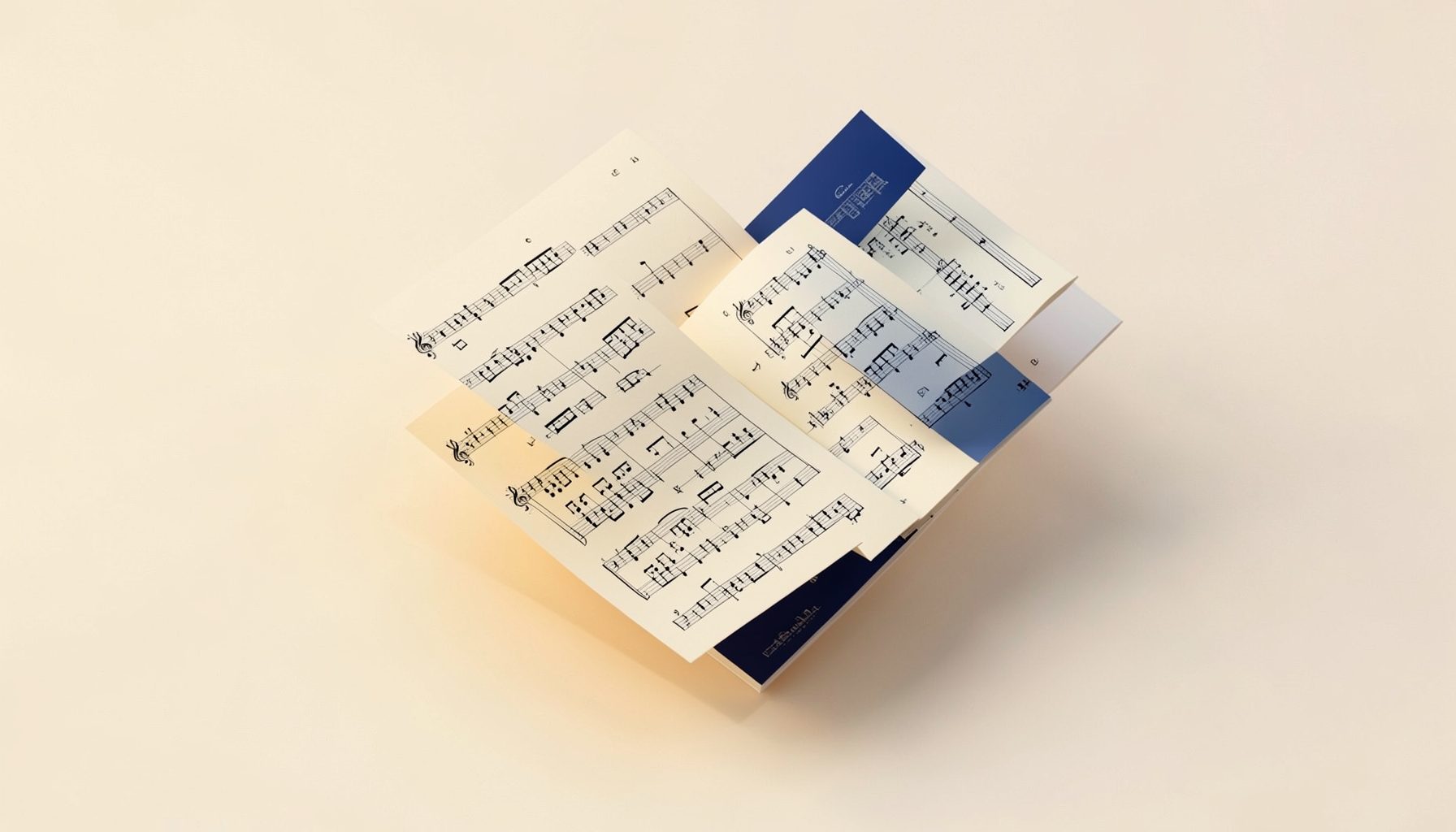
- Use a printed score to follow changes in harmony and voicing
For musicians who want to recreate the sound, the harp part is often approachable when reduced to broken chords and sustained tones. The sheet music collection documented the kind of arrangements once available for home players, accompanists and small church ensembles. A modern substitute may be a library score, a licensed digital edition or an arrangement made for piano when a harp is unavailable.
Listening in this way turns these five hymns into more than a retrospective playlist. It shows how instrumentation can reshape devotional music while preserving a melody’s identity. The harp brings brightness, gentleness and resonance to classic recordings, making each hymn feel familiar enough to sing yet fresh enough to hear again.