

Five underrated LDS duet arrangements for piano and voice
Latter-day Saint music is often introduced through bright choral favourites and high-profile EFY artists, yet its quieter repertoire can be equally rewarding for two voices. A well-made piano-and-voice duet turns a hymn into a conversation: one line asks, the other answers, and the accompaniment supports the words without crowding them.
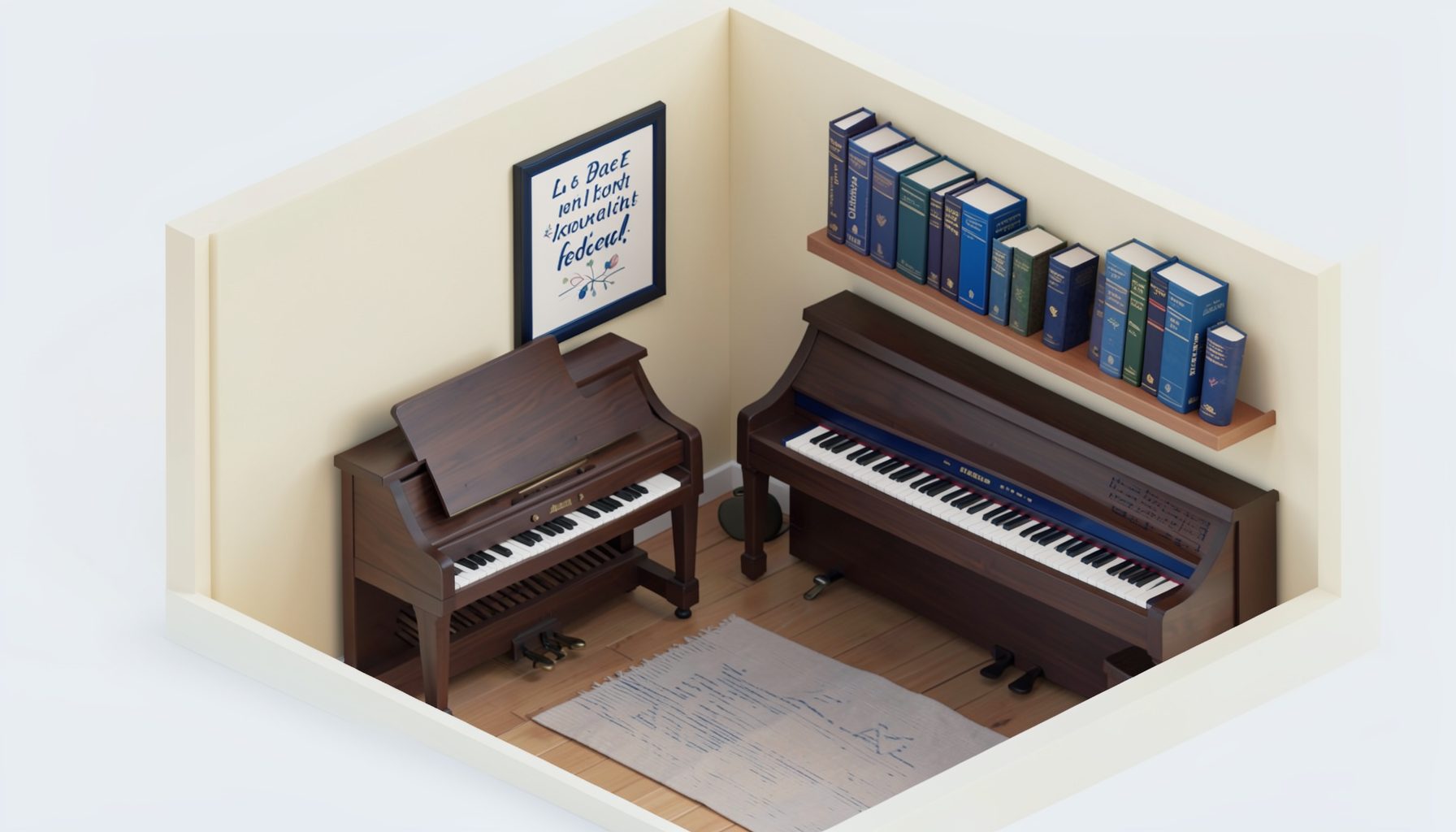
For Australian players, that format suits the way many people rehearse at home before gathering at a local meetinghouse or community hall. A soprano or alto part can be learned by a teenager beside a grandparent, while a digital piano makes practice possible in a Sydney or Melbourne apartment without the weight and upkeep of an upright.
These selections are not simply songs waiting for a solo spotlight. They are arrangements that reward close listening, restrained accompaniment and thoughtful breathing. Each offers enough harmonic interest for two singers while remaining forgiving for developing voices and adaptable to a comfortable key.
Why these pieces slip through the cracks
Attention tends to follow new albums, concert tours and familiar EFY recordings. Traditional duet settings can look predictable on the page, even when their parts contain subtle exchanges worth hearing. Their value for teaching also adds depth: a short verse can be memorised quickly, then refined phrase by phrase.
That teaching potential is explored in teaching gospel principles, where a simple piece becomes a vehicle for patient discussion instead of background sound. A duet can also model listening, shared attention and the idea that two distinct voices may serve one idea.
For this selection, musical interest matters as much as familiarity. The piano should reveal colour and pulse, the words should remain intelligible, and the second part should have a genuine role rather than doubling the melody in unison.
Five duet arrangements worth practising
These five settings range from tender prayer to buoyant praise. The suggested treatments are flexible, allowing a singer to preserve the character of the original while shaping the exchange around the two performers available.
- I Need Thee (Lydia E. Adams and Ralph E. Winters) — A restrained piano introduction and alternating verses allow the refrain to widen into two-part harmony. The melody is familiar enough for a first attempt, while the final “I need thee” gives the lower voice a supportive role and the upper voice a place to colour the top note.
- The Prayer of the Prophet (William W. Phelps) — Give the verses a legato, almost spoken treatment before introducing a fuller final chorus. The recurring petition benefits when one part leads a phrase and the other answers, while light octave accompaniment keeps the text clear and the mood personal.
- Wilt Thou Be Gone? (John R. Murray and George D. Pyper) — The questioning shape of the text invites antiphonal phrasing. Let one voice ask and the other answer, allowing the phrases to overlap briefly at the cadence. That device makes this familiar hymn feel purposeful rather than merely ceremonial.
- Holiest Love (William W. Phelps and Lowell M. Durham) — Conceived for two voices, the hymn sits naturally between soprano and alto. Let the parts cross only at carefully chosen moments, and use the piano to underline the inner harmonic movement. The result should feel tender and sincere, never showy.
- Let Us Love and Sing and Wonder (William W. Phelps and Lowell M. Durham) — Its verse-and-refrain design rewards a call-and-response duet. Keep the opening verse in restrained motion, then allow the refrain to broaden into harmonies shaped by the words. It is particularly effective for families learning to listen as a team.
None of these pieces depends on a huge dynamic range. Transpose only when necessary, preserve the lyric’s natural stress, and resist filling every pause. A simple accompaniment may expose an expressive moment more effectively than a technically busy arrangement.
Hearing two voices as one musical story
Duet writing works best when the ear can follow both melodic lines. Listen for places where they move in parallel, places where they separate in contrary motion, and the moments when they briefly meet on the same note. Those relationships reveal whether the accompaniment is clarifying the harmony or hiding it.
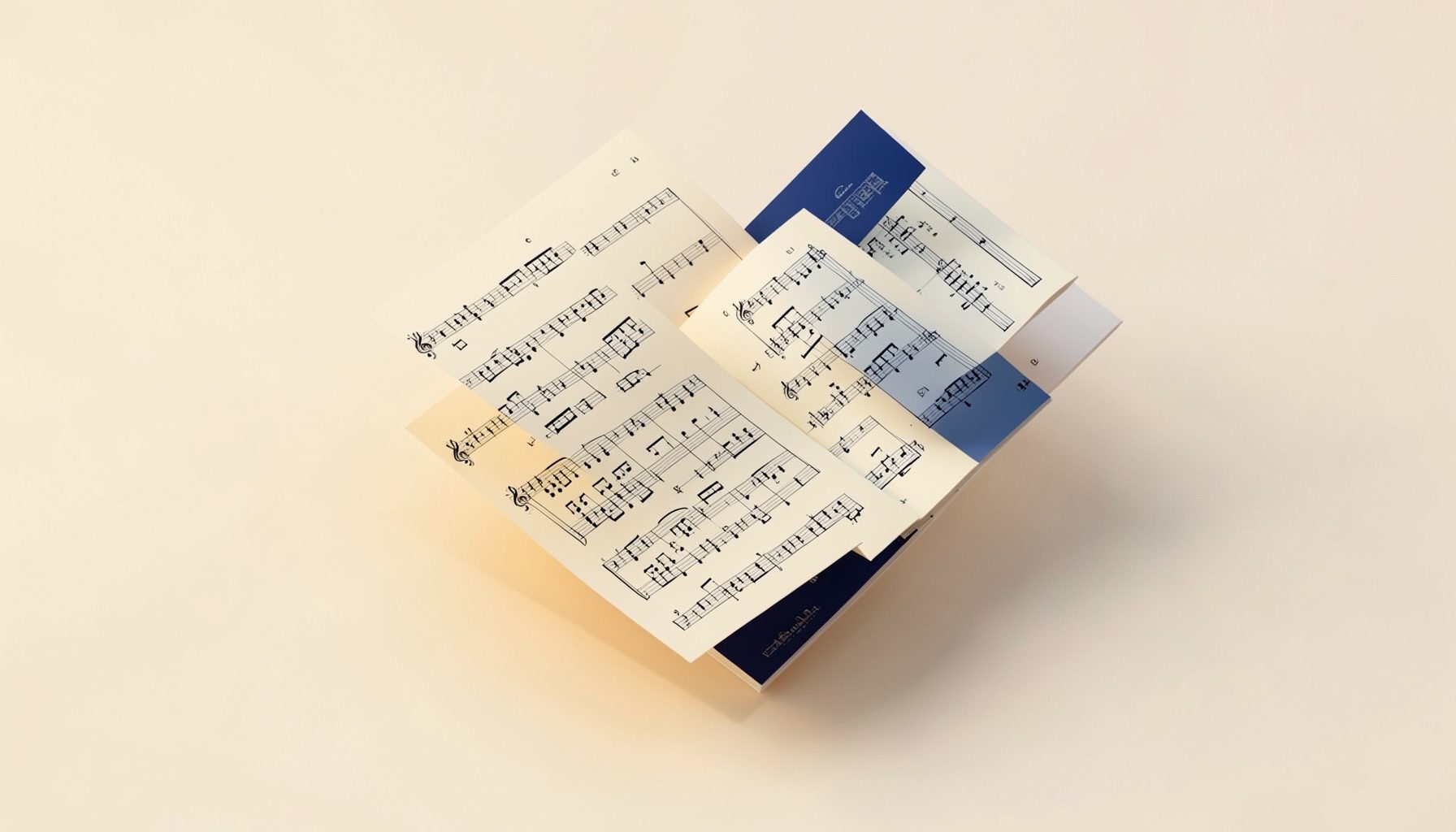
The wider Hautemagie sheet music catalogue offers a useful benchmark for engraving and vocal layout. Comparing clean parts with fuller piano reductions can show how an editor balances readability, page turns and the need to keep both singers visible at a glance.
In rehearsal, have one singer read the lyric while the other hums the line, then reverse the roles. Mark entrances with breath rather than foot tapping, and use the keyboard to test whether the quieter singer can remain audible. The best blend sounds like two people sharing one musical intention.
Adapting the music for Australian homes
Digital pianos are common in Australian homes, particularly where flats limit space in Melbourne, Sydney and Brisbane. Their lighter keys suit a quick arvo rehearsal, and preset acoustic sounds help a small room carry a balance that will work in a local meetinghouse. Earphones can also let one singer check intonation without stopping the other.
Although Your LDS Music Store has closed, its EFY music catalogue documents the contemporary sound that many listeners recognise. Study the restrained ballads as well as the big ensembles: a duo can borrow their patient phrasing and emotional pacing without attempting a stage production.
Australian recital planning often separates the score, rehearsal pianist and printed programme, with downloadable files handling rehearsal and local copy shops producing programmes for family concerts. That practical approach suits these arrangements, which need a reliable piano, modest sound equipment and an audience close enough to hear the words.
Teaching duets across generations
The former music-store newsletter was part of the former catalogue’s ecosystem, carrying release notes, artist features and repertoire ideas for its readers. Even when the music is unfamiliar, giving one singer the tune and the other the words makes the first rehearsal immediate and collaborative.
At an Adelaide gathering during the school holidays, or at a Perth meetinghouse in winter, teenagers and grandparents can learn the same piece at different speeds. The older musician may know the melody, the younger singer may bring the lyric, and both can discover the harmony between their roles.
Teach the song in three passes: speak the text, sing it on one note, then add the melody. Only after that should the duet parts and piano accompaniment enter. This sequence supports beginners and gives experienced singers a cleaner attack than trying to sort melody, words and harmony simultaneously.
Turning a duet into a complete performance
A convincing performance needs contrast even when the arrangement is spare. Begin quietly, allow the first verse to establish the harmony, and let the final refrain widen without becoming loud. If the melody moves into the singer’s comfortable range, use that opportunity to deepen the tone rather than reach for extra volume.
For public events, check the licence for any protected arrangement before printing programmes or selling recordings. Australian presenters can engage a local pianist, rehearse in a community hall and produce modest booklets through a nearby copy shop, keeping the focus on the text and the balance between voices.
These arrangements repay attention because they ask for musical care rather than volume. The piano shapes the room, the voices clarify the message, and the listener is invited to hear how two separate parts can become one devotional offering.