

How to care for your LDS CD collection
An LDS CD collection can preserve far more than recorded music. It may hold favorite hymns, youth conference performances, missionary preparation albums, choir recordings, holiday programs, and independent releases from artists whose work shaped important seasons of faith. With thoughtful care, those discs can remain playable and meaningful for decades.
Compact discs are durable, but they are not indestructible. Scratches, fingerprints, heat, moisture, cracked cases, and careless storage can gradually affect playback. A simple routine for handling, cleaning, organizing, and backing up your collection will help protect both the recordings and the memories associated with them.
Caring for physical media also makes it easier to enjoy a collection that includes different formats. Many Latter-day Saint music catalogs once combined CDs with DVDs, songbooks, sheet music, and downloadable albums. Preserving each item properly keeps your personal music library useful, accessible, and easy to share.
Choose a stable storage space
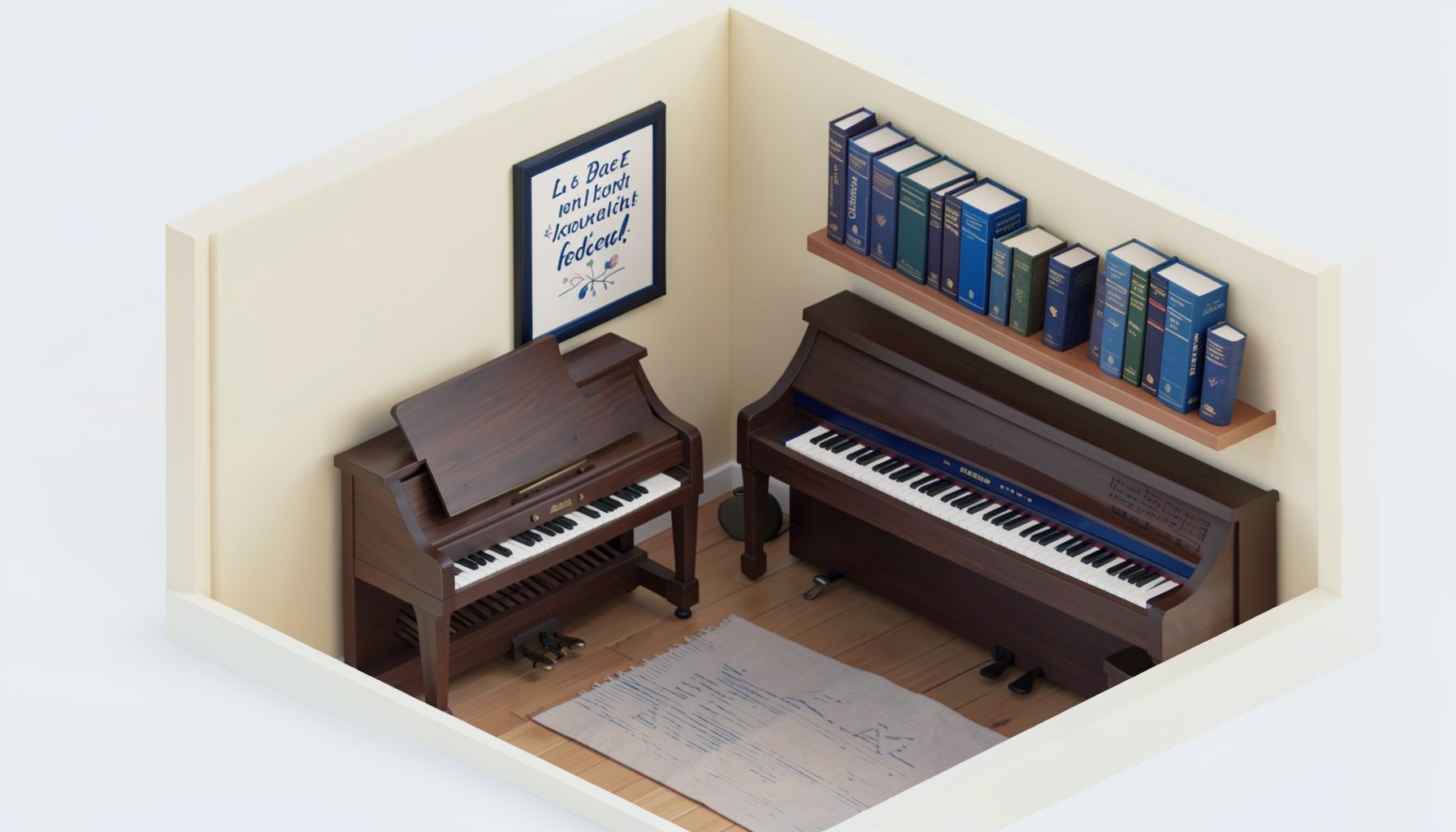
Store CDs in a cool, dry room away from direct sunlight. A bedroom shelf, office cabinet, or interior bookcase is generally safer than an attic, garage, basement, or vehicle. Large temperature changes can damage discs, cases, printed inserts, and adhesive labels.
Avoid placing a collection near radiators, heating vents, fireplaces, windows, or exterior walls that experience condensation. High humidity can encourage mold on paper materials and may cause packaging to warp. A moderate indoor environment with consistent temperature is preferable to a location that is occasionally very hot or cold.
Keep discs upright in their cases rather than stacking them horizontally in tall piles. Vertical storage reduces pressure on the lower cases and makes it easier to find a particular album without sliding discs across one another. If you use a storage box, choose one designed for optical media with dividers that keep cases from leaning.
Handle discs by their edges
The readable side of a CD is protected by a clear plastic layer, but deep scratches can still interfere with the laser’s ability to read the data. Hold each disc by the outer edge or the center hole. Touching the playing surface leaves oils that attract dust and can create smears.
Return a disc to its case as soon as possible after use. Do not leave it beside a player, on a table, or in a car. Loose discs can collect grit, become scratched by other objects, or be exposed to sunlight. Teach children to press the center hub when removing a CD instead of pulling against the disc’s edge.
Inspect the case when you remove an album. Broken hinges, loose hubs, and sharp plastic fragments can scratch a disc. Replace damaged jewel cases, but retain the original artwork and booklet whenever possible. Those printed materials often include credits, lyrics, photography, and release details that are valuable to collectors.
Clean CDs without causing damage
For light dust, use a soft, clean, lint-free cloth and wipe from the center of the disc outward toward the edge. This straight motion is safer than rubbing in circles because a small mark is less likely to follow the path of the laser across multiple sections of recorded data.
If fingerprints remain, slightly dampen the cloth with clean water. For stubborn residue, use a product specifically made for optical discs and follow its instructions. Never pour liquid directly onto a CD, soak it, or use abrasive cleaners, paper towels, tissues, window cleaner, acetone, or household solvents.
Allow a cleaned disc to dry completely before placing it in its case or inserting it into a player. If playback skips, examine the disc under good lighting. A minor surface mark may be manageable, but deep scratches, peeling reflective material, or cracks near the center hole are signs that the disc should be replaced rather than aggressively polished.
Preserve artwork and collection details
A CD booklet deserves care as much as the disc itself. Keep booklets, back inserts, lyric sheets, and promotional cards inside the original case. Store loose materials flat in archival sleeves if a case no longer holds them securely, and avoid ordinary adhesive tape, rubber bands, and sticky notes that can stain or tear paper.
Create a simple catalog with the artist, album title, release year if known, format, and condition. You can add purchase details, signatures, liner-note credits, or personal associations. This record is especially useful when an album came from a limited release, a concert, a youth program, or an older LDS music catalog that is no longer readily available.
For albums connected to missionary service, family devotionals, or church activities, note where the recording was used and who performed on it. Resources such as missionary preparation music can help place a release in its broader context, while your own notes preserve the personal history that a commercial listing cannot provide.
Match care to the format
Different items in a faith-based music collection require slightly different protection. A CD needs a clean surface and a sound case, while a songbook needs protection from moisture, bending, and prolonged sunlight. A DVD may be handled like a CD, but its case and printed materials still need separate attention.
Use the following guide as a quick reference for common items found alongside LDS recordings:
| Collection item | Main risk | Recommended care |
|---|---|---|
| Audio CD | Scratches, fingerprints, heat | Store upright in a case; handle edges only |
| DVD | Surface damage and cracked cases | Keep in its original case; clean from center outward |
| Songbook | Bent covers, moisture, fading | Store flat or upright on a supported shelf |
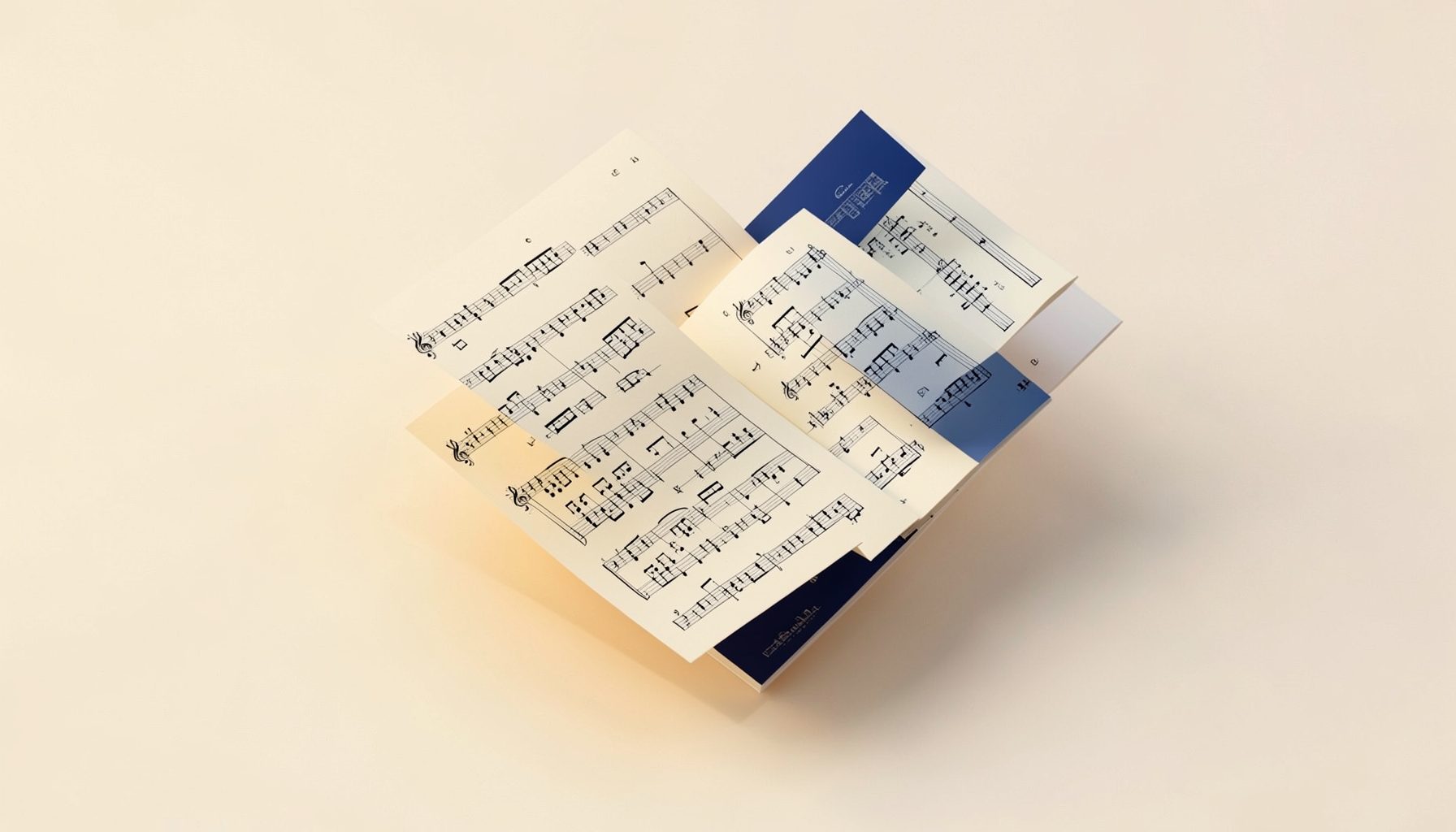
| Piano sheet music | Tears, folds, and loose pages | Use folders or archival sleeves; avoid overfilled binders |
| CD booklet | Paper fading and torn spines | Keep inside the case or in an acid-free sleeve |
| Digital album backup | Drive failure or lost files | Keep two copies in separate locations |
Digital copies should supplement, not replace, the physical collection. If you legally have downloadable files or permission to make a personal backup, store them on a computer and a second device or reputable cloud service. Use clear filenames that include the artist and album, and keep the original disc even after creating a backup.
Build a practical maintenance routine
A collection does not need constant attention. Once or twice a year, inspect the shelves for dust, humidity problems, damaged cases, and discs that have been left loose. Wipe the outside of cases with a dry cloth, but keep cleaning products away from paper inserts and disc openings.
Test albums that have not been played for several years, particularly recordings that are difficult to replace. Listen for skipping, repeated pauses, or unusual loading problems. Try a second compatible player before deciding that a disc has failed, since an aging or dirty player can create symptoms that resemble disc damage.
Keep duplicates only when they serve a clear purpose, such as one copy for regular use and another stored safely. For signed CDs or rare releases, consider using an ordinary listening copy while preserving the collectible edition in better conditions. This approach protects valuable items without turning the collection into something that cannot be enjoyed.
Set priorities for long-term preservation
A few deliberate habits will make the biggest difference:
- Store every disc vertically in a clean, intact case.
- Keep the collection away from sunlight, moisture, heat, and rapid temperature changes.
- Clean only with a soft cloth and straight strokes from the center outward.
- Record album details and preserve original booklets, inserts, and artwork.
- Maintain a legal digital backup for recordings that would be difficult to replace.
Music collections often carry family stories as well as audio content. A recording made in an LDS studio, for example, may represent the work of singers, arrangers, musicians, engineers, and producers whose contributions are easy to overlook. A behind-the-scenes look at a recording studio session can deepen appreciation for the physical album sitting on your shelf.
Give your collection a short inspection during your next listening session. Replace a few cracked cases, clean the discs that need attention, and write down details you would want future family members to know. These small actions can keep sacred songs, choral performances, and cherished LDS recordings ready to play whenever they are needed.