
Framing LDS Musical Instruments For Meaningful Home Décor
Musical instruments connected with Latter-day Saint worship, youth programmes, family performances and cherished recordings can carry more than visual appeal. A well-preserved violin, hymnbook, conductor’s baton or small brass instrument may recall a mission, a choir season, a church concert or years of learning together.
Displaying these pieces thoughtfully turns them into personal artwork without treating them as ordinary ornaments. The right frame, backing board, lighting and placement can protect delicate materials while allowing the instrument’s history to remain visible. In Australian homes, where strong sunlight, changing humidity and compact rooms can affect displays, practical preparation matters as much as style.
Choose the story before the frame
Begin by deciding what the display is meant to communicate. A missionary’s guitar may deserve an informal timber shadow box, while a formal choir baton could sit in a narrow museum-style frame beside a favourite hymn arrangement. If the object has a known owner or occasion, include a short caption rather than filling the space with decoration.
| Item | Suitable display | Helpful supporting detail |
|---|---|---|
| Violin or viola | Deep shadow box | Bow, concert programme or small nameplate |
| Guitar | Wall hanger or wide case | Photograph, lyric sheet or performance date |
| Trumpet or cornet | Horizontal shadow box | Velvet mount and polished metal label |
| Hymnbook or sheet music | UV-filtered frame | Acid-free mount and rotating copies |
| Baton or tuning fork | Slim box frame | Choir name, year or handwritten note |
| Handbells | Open shelf or deep case | Grouped by size with a simple plaque |
A focused collection often looks more refined than a crowded wall. Select one central instrument and two or three supporting pieces, leaving enough negative space for each item to be recognised. Catalogues such as LDS music resources can also help identify the musical context of older recordings, songbooks or artist-related memorabilia.
Select a frame that fits the object
Flat frames suit sheet music, programme covers, photographs and pressed choir robes, but three-dimensional instruments need depth. A shadow box with a hinged front allows room around the object and reduces pressure on fragile surfaces. For a guitar, consider a purpose-built wall case rather than a standard frame; the instrument should be supported at its strongest points, never by the neck alone.
Use acid-free mat board, archival hinges and inert fabrics wherever possible. Avoid ordinary cardboard, rubber bands, adhesive tape and untreated foam, as these can stain finishes or release chemicals over time. A conservation framer in Sydney, Melbourne or Brisbane can advise on mounts for unusual shapes and can create a removable support that does not permanently alter the instrument.
Protect timber, metal and paper
Different materials need different treatment. Timber instruments should be cleaned gently with a dry, soft cloth and kept away from rapid temperature changes. Do not apply household polish unless a conservator confirms that it is appropriate for the finish. Brass and silver pieces may be lightly dusted, but aggressive polishing can remove historic surface character and fine engraved details.
Paper components are especially vulnerable to light and moisture. Use 100 per cent cotton or archival backing, UV-filtering glazing and a mount that keeps the page from touching the glass. In Queensland’s humid coastal areas, allow ventilation around enclosed displays and avoid exterior walls that develop condensation. In dry Adelaide interiors, stable room conditions help prevent timber from shrinking or cracking.
Build a respectful visual arrangement
A display can acknowledge sacred associations without making the room feel like a museum. Arrange a hymn arrangement, instrument and family photograph around a consistent visual line, then repeat one material such as walnut timber, brushed brass or neutral linen. Keep typography restrained: a small engraved plaque is usually more effective than a large paragraph about the object.
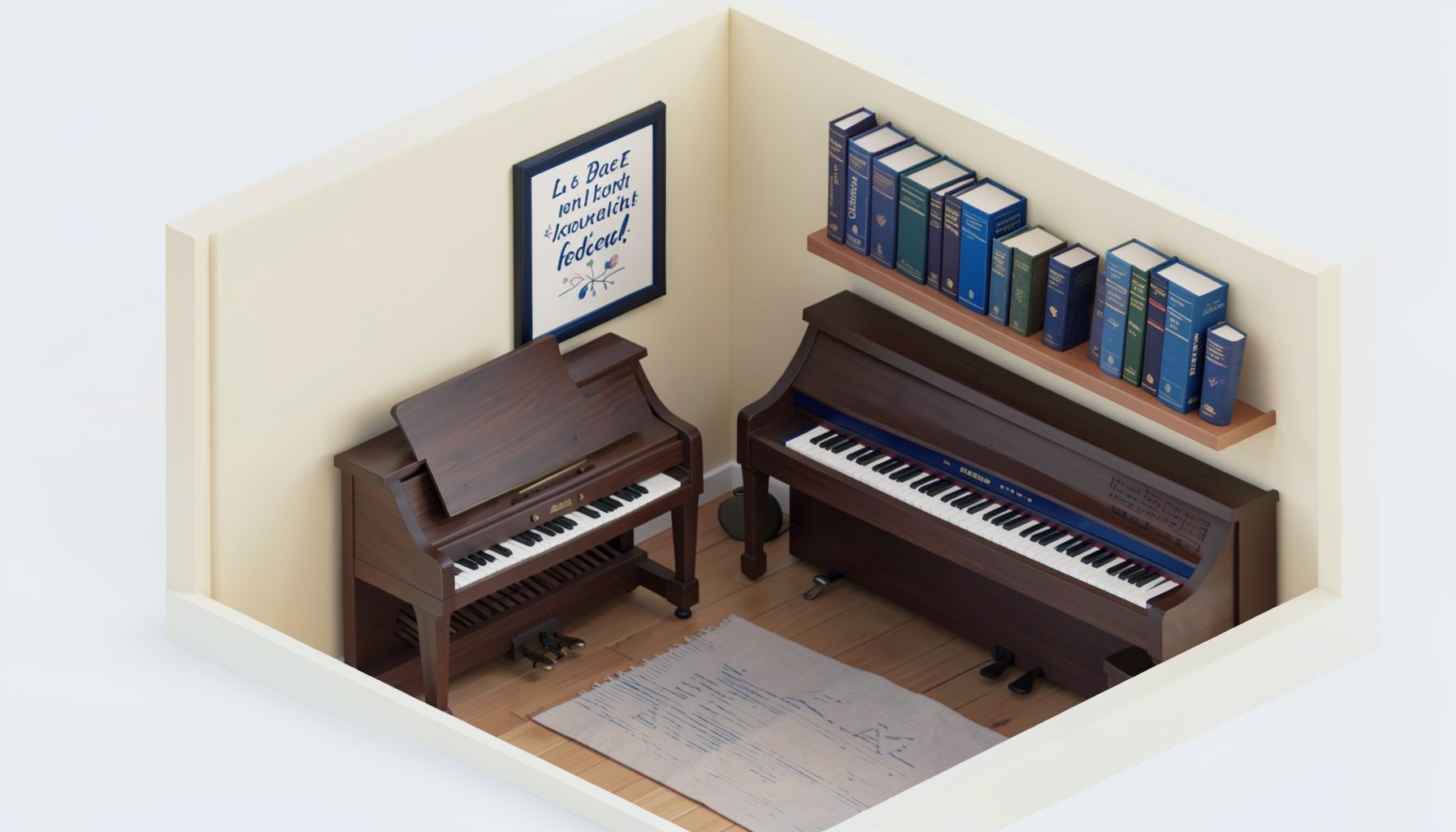
For a chapel-inspired arrangement, use soft whites, deep blue, warm timber and modest metallic accents. A home music room may support a more relaxed composition with framed album artwork, a music stand and a retired instrument. Avoid placing sacred lyrics beneath unrelated novelty items, and make sure the display reflects the owner’s personal relationship with the music.
Plan for Australian light and housing
Australian sunlight can fade paper and lacquer quickly, particularly in north-facing rooms and homes with large windows. Hang framed instruments on an internal wall where possible, or use blinds and UV-filtering glazing. In Melbourne, a cold wall near a window may require extra attention to condensation, while Perth homes can experience intense afternoon glare that makes reflective glass difficult to view.
Apartments in Sydney and inner Brisbane often have limited wall space, so a vertical arrangement or shallow display case can work better than a wide gallery. In rented properties, removable hooks may be tempting, but the weight of a shadow box requires a fixing method approved for the wall type. Check the frame’s total weight, locate studs when possible and follow the manufacturer’s load rating rather than relying on a single adhesive strip.
Add labels and related music
A label gives the object a voice. Include the instrument’s name, maker, approximate date, former owner and a brief connection to Latter-day Saint music, such as “Used during family choir rehearsals in Newcastle, 1998–2006.” If details are uncertain, say “believed to have been used” instead of presenting family memory as verified history.
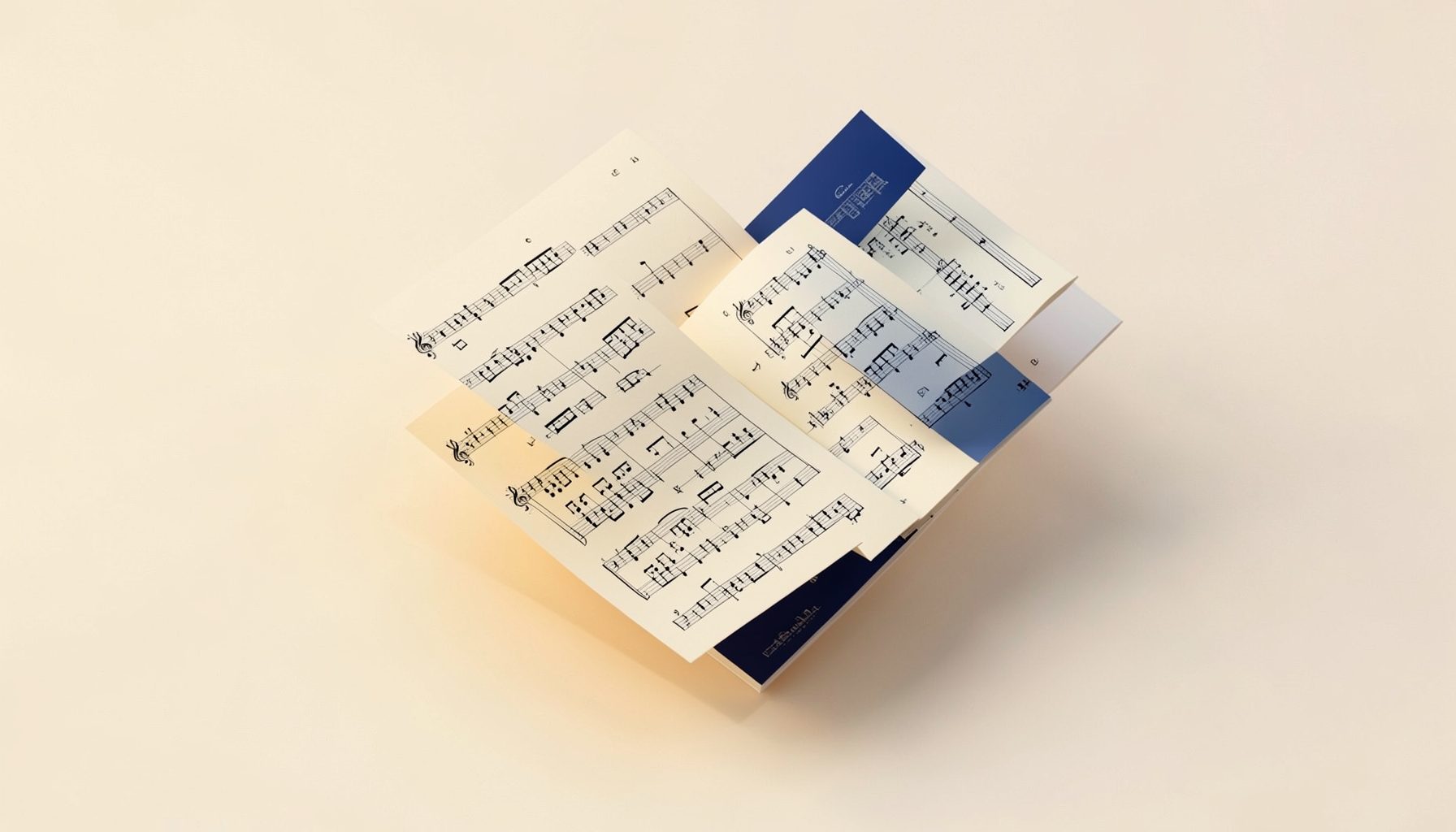
Supporting materials can include a concert ticket, programme, recording insert, handwritten practice notes or a reproduction of a favourite hymn. If a valuable original is displayed, keep a digital scan and store the paper in darkness. Readers interested in music news, releases and artist features may find a newsletter archive useful when researching the background of older LDS recordings and related memorabilia.
Choose safe mounting and lighting
Never suspend a heavy instrument from a fragile decorative fitting. Use padded cradles, broad supports and brackets designed for the object’s weight. For guitars and violins, retain the case if the instrument is historically important or still playable; a case display offers stronger protection from dust, accidental knocks and curious children.
Low-heat LED lighting is preferable to halogen bulbs, especially inside a shadow box. Place lights above or to the side to reveal contours without creating glare on glass. Keep electrical leads tidy and avoid candles, heaters and fireplaces nearby. If the instrument remains playable, photograph the display before removing it so each support can be replaced correctly.
Preserve the display over time
Inspect the case twice a year for dust, insect activity, loose fittings, corrosion or signs of mould. A quick check is particularly valuable after Australia’s humid summer months or a period of heavy rain. Do not open a mouldy case in a living area; isolate it and seek advice from a qualified conservator.
Keep insurance records, photographs, receipts and family notes together. High-value or historically significant instruments may need a valuation separate from ordinary household contents cover. For questions about archived products, catalogue details or account-related material, the site’s help centre may provide useful background, even though the former store is no longer operating.
A carefully framed instrument should remain easy to identify, safely supported and connected to the people who made its music meaningful. Whether displayed in a Perth study, a Melbourne hallway or a family room in regional New South Wales, the arrangement can preserve both the physical object and the memories attached to it.