

How To Frame And Display LDS Sheet Music As Art
Sheet music can carry far more than notes and lyrics. A well-loved hymn arrangement may recall a mission, a family gathering, a ward choir performance, or quiet piano practice on a Sunday afternoon. When preserved thoughtfully, the page becomes a visual record of faith, music, and personal history.
Framing LDS sheet music as art offers a meaningful way to decorate a home, meeting room, music studio, or rehearsal space. The goal is to honor the printed work without damaging it, while creating a display that feels polished rather than overly themed.
A successful presentation depends on several choices: selecting the right page, protecting the paper, choosing complementary materials, and arranging the artwork where it can be appreciated. Even inexpensive sheet music can look distinctive when its typography, musical notation, and spiritual message receive careful attention.
Choose A Meaningful Musical Page
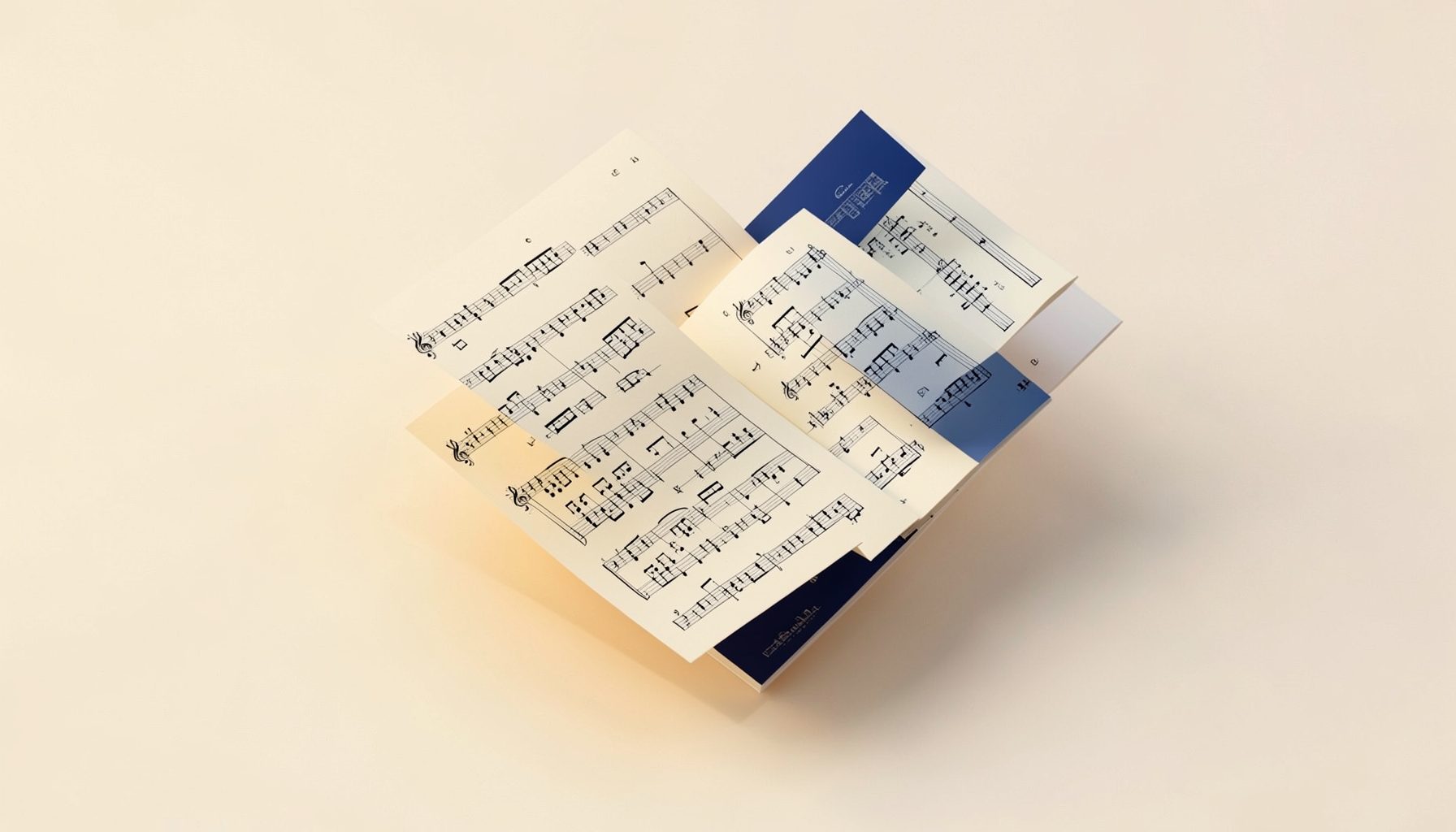
Begin with a page that has emotional, historical, or visual value. A favorite hymn, a dramatic chorus, or an arrangement performed by a family member can all make a strong focal point. Consider whether the page represents a particular season of life, such as a baptism, wedding, missionary farewell, Christmas program, or ward choir presentation.
Some pages are especially attractive because of their typography. Vintage hymnals may feature engraved notation, decorative borders, or distinctive title lettering. Contemporary LDS sheet music often uses clean layouts with spacious margins, making it easier to pair the music with a modern interior.
If the page comes from a larger collection, avoid cutting it immediately. Photograph the original and test a digital copy first. This allows you to experiment with cropping, mat colors, and orientation without compromising the source material.
Prepare The Sheet Music For Preservation
Paper can fade, yellow, buckle, or become brittle when exposed to sunlight, moisture, and acidic framing materials. Before framing, inspect the page for tears, stains, adhesive residue, and weak folds. Valuable or rare material should be handled by a professional paper conservator rather than flattened or repaired at home.
Use archival, acid-free mat board and backing. A window mat keeps the glass from touching the paper, allowing air to circulate and preventing condensation from transferring moisture directly to the music. Hinging the page with archival paper tape is safer than using glue, double-sided tape, or ordinary adhesive.
UV-filtering acrylic or glass helps reduce damage from daylight and strong indoor lighting. Even protected artwork should stay out of direct sun, near heating vents, and in damp areas such as bathrooms or poorly ventilated basements. A stable wall in a hallway, office, music room, or living area is usually a better choice.
Match The Frame To The Musical Style
The frame should support the character of the sheet music rather than compete with it. A simple black or walnut frame works well with traditional hymn arrangements, while pale oak or white frames suit bright, contemporary spaces. Ornate gold framing can complement an antique page, especially when paired with a restrained mat.
The mat provides an opportunity to create visual breathing room. White, cream, charcoal, muted blue, and soft sage are versatile choices for religious music artwork. A double mat can add depth, but too many layers or dramatic colors may distract from the notation and lyrics.
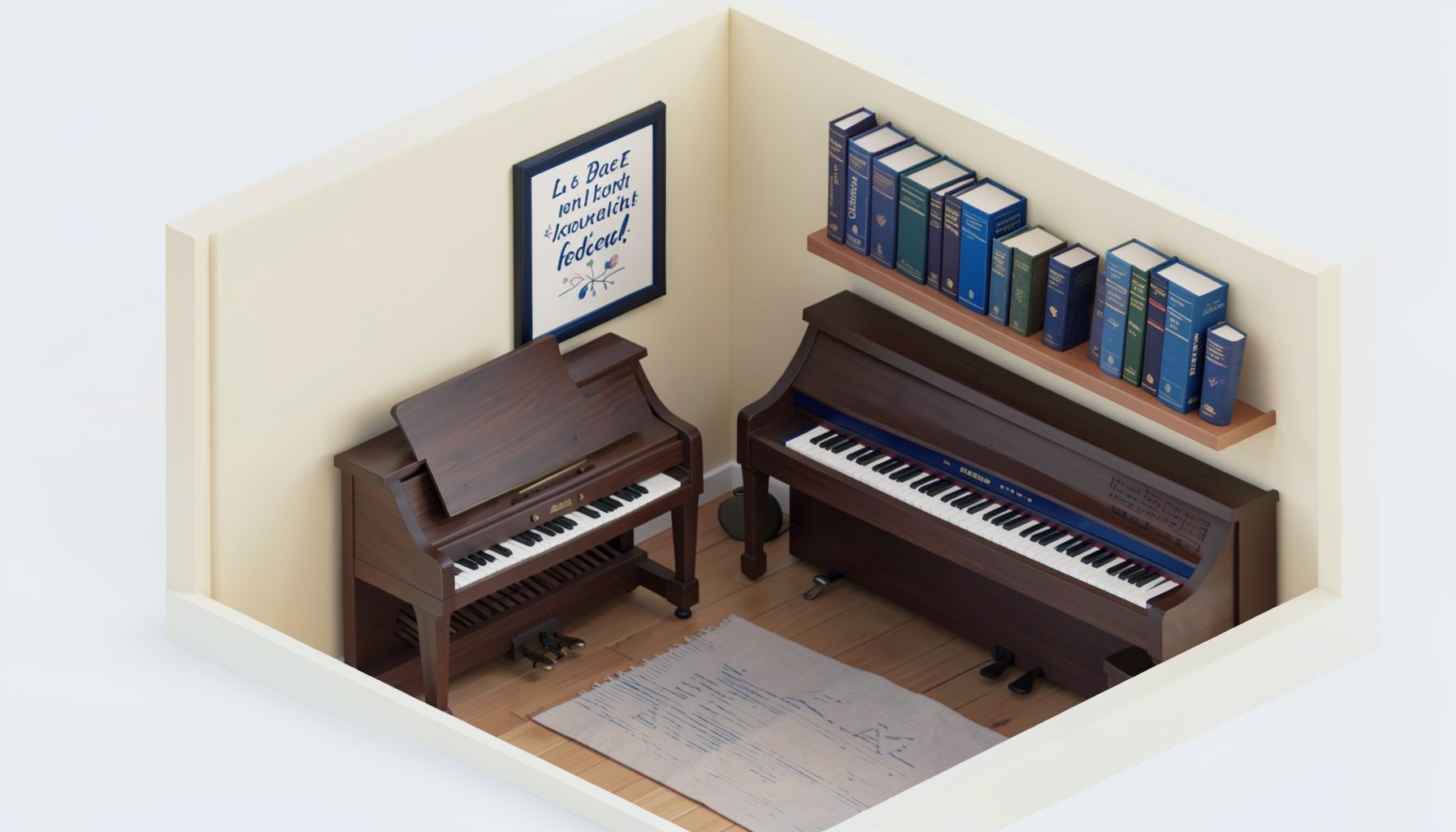
Think about scale before purchasing a frame. A single page may need a generous mat to avoid looking lost on a large wall. Several pages can be displayed as a balanced grid, while a long horizontal arrangement may work well above a piano. Keep the spacing consistent so the collection feels intentional.
| Display Approach | Best For | Framing Details | Overall Effect |
|---|---|---|---|
| Single statement page | A beloved hymn or handwritten arrangement | Wide archival mat, understated frame | Quiet and personal |
| Coordinated trio | Three related hymns, movements, or composers | Matching frames with varied page layouts | Balanced and gallery-like |
| Piano wall arrangement | Music connected to regular playing | Horizontal alignment above the instrument | Musically focused |
| Vintage document display | Older hymnal pages or historic programs | UV protection, warm wood, conservative mat | Traditional and archival |
| Modern monochrome set | Clean contemporary arrangements | Black frame, white mat, crisp margins | Minimal and refined |
| Family music collection | Pages connected to relatives or performances | Labels or small captions beneath each frame | Biographical and welcoming |
Create A Cohesive Gallery Arrangement
A collection becomes more compelling when the pages share a clear visual relationship. You might group music by composer, season, color, language, or personal history. A Christmas hymn, Easter arrangement, and devotional chorus can form a seasonal grouping, while music from several generations can tell a family story.
Before hanging anything, arrange the frames on the floor or make paper templates the size of each piece. Mark the center line, test the distance between frames, and view the arrangement from across the room. The center of the display should generally sit at a comfortable eye level, unless it is positioned above furniture.
Small captions can add context without overwhelming the artwork. Include a title, composer, date, performer, or occasion in a modest serif font. For a choir arrangement, you might note the ward, concert, or year in which it was performed. Keep captions separate from the original page so the historical document remains untouched.
Add Context Without Overcrowding
Sheet music can stand alone, but a few carefully selected objects may make the display more personal. A small wood-mounted conductor’s baton, a vintage tuning fork, a simple piano photograph, or a framed concert program can reinforce the musical theme. Select objects with related textures and colors rather than filling every available space.
For inspiration, browse documented LDS music collections and artist releases, including archived music resources. A catalog once devoted to CDs, digital albums, DVDs, hymn arrangements, and piano music can help identify composers, performers, and repertoire connected to a displayed page.
Album artwork can also provide a secondary visual reference. For example, a page associated with a choir recording may be paired with a small, separate image or liner-note reproduction rather than placing the entire album cover beside it. The latest Tabernacle Choir release can offer ideas for connecting sacred choral music with a broader home gallery.
Protect The Meaning Behind The Display
The most effective LDS music artwork feels sincere. Avoid altering lyrics, cropping away identifying information, or adding decorative elements that make the page difficult to read. If the music has been marked with rehearsal notes or a loved one’s handwriting, those imperfections may be part of its story and should be preserved.
When displaying music in a church building or shared rehearsal space, confirm that the arrangement, lyrics, and reproduction rights are appropriate for the setting. A purchased copy may be framed for personal enjoyment, but reproducing and distributing copyrighted arrangements can require permission. For choir projects, resources about choosing choir sheet music can also help distinguish between a personal keepsake and material intended for group use.
Use a removable display system when possible, especially in rental homes or multipurpose rooms. Picture-hanging rails, concealed hooks, and properly rated hardware reduce wall damage and make seasonal changes easier. Keep a digital scan and written record of each piece in a separate location in case the framed original is ever damaged.
Practical Details For A Lasting Display
A few finishing decisions can determine whether the artwork remains attractive for years:
- Choose archival backing, acid-free mats, and hinges designed for works on paper.
- Place framed music away from direct sunlight, humidity, fireplaces, and heating vents.
- Test the layout with paper templates before drilling holes or ordering custom frames.
- Add restrained captions when provenance or family history gives the page special meaning.
- Photograph and store important originals safely before displaying them.
A framed hymn or arrangement can become a visual anchor for daily music-making. Positioning it near a piano may encourage practice, while placing it in a family room can invite stories about performances and traditions. The display does more than decorate a wall: it keeps sacred repertoire visible and connected to lived experience.
Choose one page with genuine significance, protect it with archival materials, and give it enough space to be read. With a thoughtful frame and a calm arrangement, LDS sheet music can move from a drawer or folder into a lasting piece of devotional and musical art. Begin with a meaningful original, plan the display carefully, and let its history remain at the center.