

How to Host an LDS Music Trivia Night
An LDS music trivia night brings together hymn lovers, choir members, youth groups, families, and anyone who enjoys the stories behind sacred songs. A successful event does not require professional musical knowledge. It needs a welcoming atmosphere, recognizable recordings, thoughtful questions, and enough variety to keep every team involved.
The best gatherings balance entertainment with reverence. Questions can explore hymns, Latter-day Saint artists, EFY recordings, Church history, sheet music, film soundtracks, and familiar arrangements without turning the evening into a test of spiritual worthiness. Music should create connection, spark memories, and invite participants to listen closely.
Whether the event takes place in a cultural hall, living room, chapel classroom, or online meeting, advance planning will make the experience smoother. Set a clear format, choose suitable audio clips, and prepare questions that reward both devoted listeners and casual fans.
Choose A Format And Audience
Begin by deciding who will attend. A youth activity may focus on contemporary LDS artists, youth conference music, and recognizable songs from camps or devotionals. A family event can include hymns, children’s music, soundtrack selections, and questions about famous singers. An adult gathering might explore hymn history, vocal groups, piano arrangements, and landmark albums.
Teams of three to six people usually work well. Mixed-age teams encourage participants to share different kinds of knowledge, while individual play suits a smaller gathering. Give teams a simple name and a way to submit answers, such as paper slips, whiteboards, or a shared digital form.
Choose a length that matches the setting. Five rounds of eight questions can fill about an hour, while six rounds of ten questions may suit a larger event with breaks. Tell guests in advance that the evening will include recorded music, so they know to bring attentive listening rather than expecting a standard quiz.
Build A Balanced Question Bank
A strong question bank uses several categories instead of relying on song titles alone. Consider “name that hymn,” artist identification, lyric completion, album history, instruments, composers, Church music milestones, and quotation questions. Include a few questions about arrangements, such as identifying whether a selection features piano, strings, choir, or a cappella vocals.
Audio rounds should be brief and consistent. Clips of ten to twenty seconds are long enough for recognition without giving away the answer. Use legal recordings that your organization is permitted to play, and avoid distributing copied files. If the event is public or recorded, check the relevant performance and media permissions before using commercial music.
For youth-centered material, a resource such as young women camp songs can help shape a round around camp favorites, themes of courage, service, testimony, and belonging. Questions should remain accessible: ask which song fits a theme or identify a chorus rather than requiring obscure release dates.
Create Rounds That Feel Different
Give every round its own identity. A lyric round might show a missing phrase from a hymn, while an audio round asks teams to recognize a recording after a short introduction. A “match the artist” round can pair performers with albums, and a history round can connect a hymn with its composer or translation.
Use a gradual difficulty curve. The first questions should build confidence, the middle questions should reward careful listening, and the final questions can offer a challenge for experienced participants. Avoid making every question obscure; a trivia night becomes more enjoyable when teams regularly experience progress.
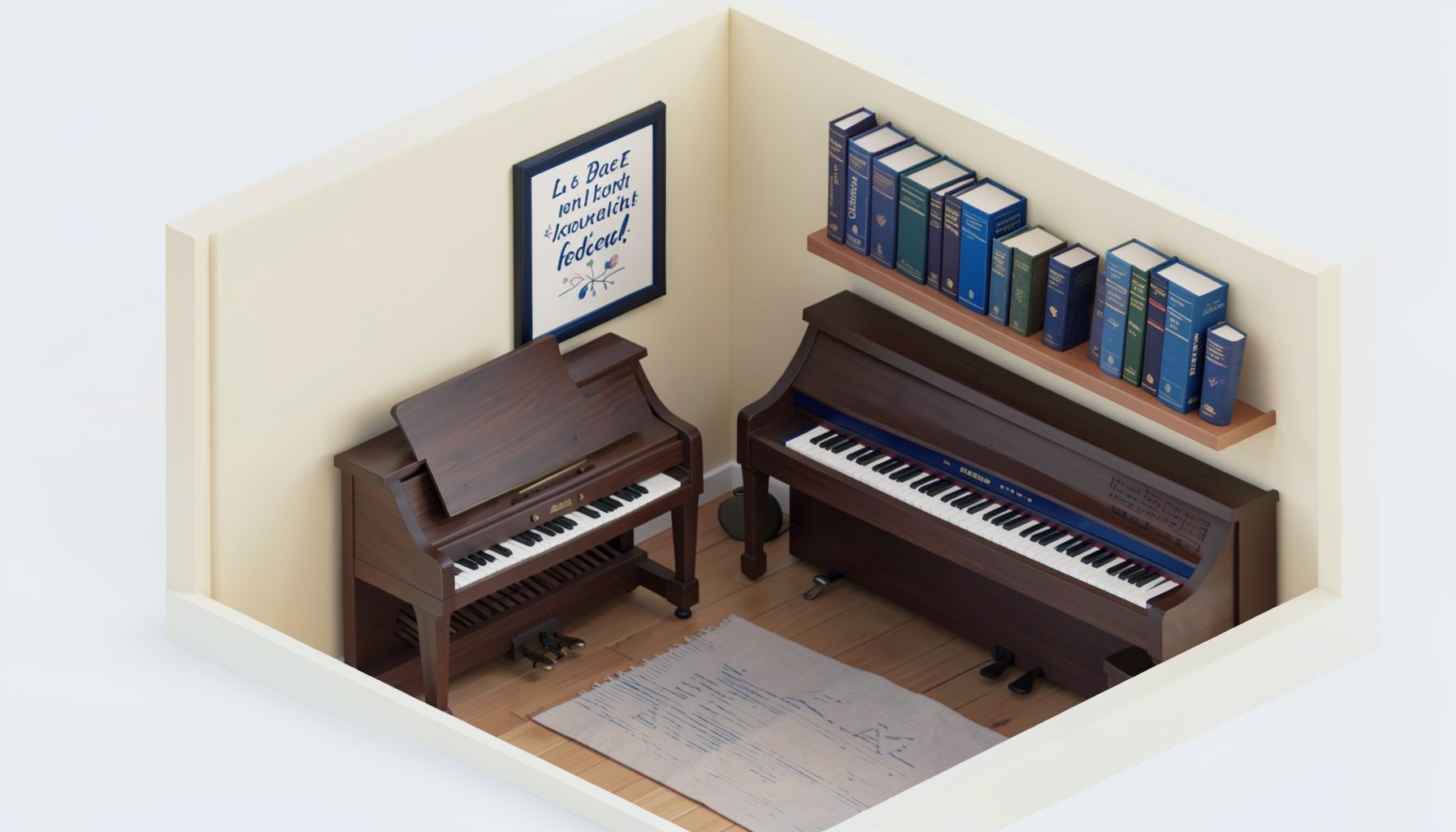
You can include a reverent prelude round by playing short piano selections and asking teams to identify the hymn or arrangement. The archived prelude music guide offers useful inspiration for selecting familiar melodies and discussing how tempo, harmony, and dynamics influence a hymn’s character.
| Round style | Example prompt | Difficulty | Preparation needed |
|---|---|---|---|
| Audio identification | Name the hymn from a 15-second clip | Easy to medium | Curated recordings and speakers |
| Lyric completion | Supply the missing phrase | Easy | Approved lyric excerpts |
| Artist matching | Pair a performer with an album | Medium | Artist and release list |
| Music history | Identify a composer or origin | Medium to hard | Verified reference notes |
| Piano recognition | Name the hymn from an instrumental arrangement | Medium | Clear piano recordings |
| Theme round | Match a song to service, faith, or hope | Easy to medium | Carefully selected playlist |
Prepare The Room And Technology
Test every technical detail before guests arrive. Confirm that the laptop can play each clip, the speakers are loud enough for the room, and the projector or screen displays questions clearly. Download or queue permitted audio in advance instead of depending on an unreliable internet connection.
Keep an answer key beside the host’s notes. Include accepted alternate answers, pronunciation guidance, bonus-point rules, and the exact length of each clip. A second volunteer can manage playback and scoring while the host introduces rounds and keeps the energy moving.
The physical layout matters as well. Place teams far enough apart to discourage answer sharing, but close enough for conversation. Provide pencils, answer sheets, water, and a visible score area. If the event is held in a Church building, follow local facility guidelines and keep volume appropriate for nearby meetings or activities.
Make Scoring Fair And The Atmosphere Warm
Explain the scoring system before the first question. One point per correct answer is easiest to manage, with occasional bonus points for a difficult final question. Do not change the value of questions after teams have answered. If a question turns out to be ambiguous, award credit generously when an answer clearly demonstrates the intended knowledge.
A tie-breaker should rely on a measurable answer rather than personal judgment. Ask teams to estimate the number of tracks on a particular album, the year a hymn was first published, or the duration of a recording. The closest answer wins without exceeding the correct figure.
The host sets the emotional tone. Celebrate partial knowledge, invite laughter without mocking mistakes, and avoid framing unfamiliarity as a lack of faith. Some guests will know hymn history, while others will recognize a song from a youth activity or family performance. Every contribution can become part of the evening’s shared story.
Choose Prizes And Add Personal Touches
Prizes do not need to be expensive. Music-themed bookmarks, small notebooks, treats, hymn-themed art, or gift certificates can make excellent awards. Consider recognizing several categories, such as highest score, best team name, closest tie-breaker, and most enthusiastic participation. Multiple awards keep the event from feeling focused only on winning.
Add a personal element between rounds. Invite a local musician to perform a short selection, display album artwork, or share a brief story about learning a hymn. A piano round can be especially engaging for participants who enjoy arrangements; collections of intermediate piano solos may provide ideas for a featured performance or listening challenge.
Keep transitions concise. A short welcome, clear instructions, and quick scoring prevent the evening from losing momentum. If the program runs longer than expected, remove a bonus round rather than rushing the final questions or extending the event far beyond the advertised time.
A Smooth Hosting Checklist
Write the answer key before building the slides, and play every audio clip from the same device and speakers that will be used during the event. A rehearsal often reveals volume differences, awkward clip endings, or questions that have more than one defensible answer.
Use the following checklist during the final preparation:
- Select music suitable for the age group, setting, and spiritual tone.
- Prepare five or six varied rounds with clearly labeled answer sheets.
- Verify recording permissions and use only approved audio sources.
- Recruit a scorekeeper, technology helper, or second host.
- Prepare a tie-breaker, prizes, and a simple schedule for transitions.
After the event, preserve the question set and note which rounds generated the most excitement. A future trivia night can then build on the strongest categories while introducing new artists, hymn arrangements, and music history topics.
Turn Listening Into Fellowship
An LDS music trivia night works best when it feels like a celebration of shared memories rather than an examination. Familiar hymns may recall a baptism, a youth conference, a family devotional, or a quiet moment of personal worship. Contemporary recordings can bring back the energy of a camp or concert. Thoughtful questions give those memories room to surface.
Gather a playlist, invite a few teams, and begin with songs that make people want to listen. With clear rules, respectful hosting, and a well-prepared mix of hymn trivia and LDS music knowledge, the evening can become a memorable way to connect through music.