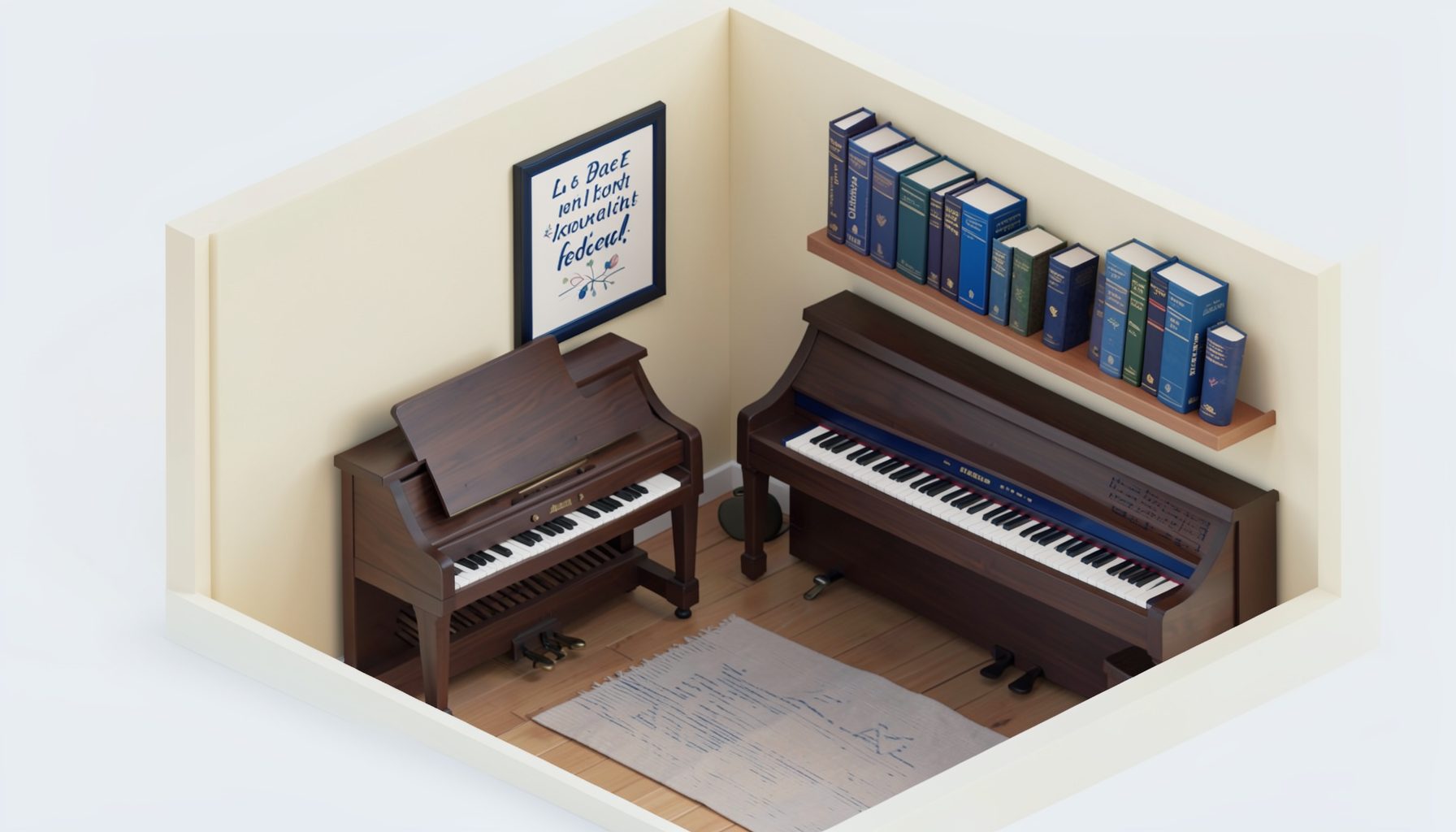



How to start a ward music committee for special programs
A ward music committee for special programs turns musical ideas into a shared responsibility. Instead of one coordinator carrying every task, the group can choose repertoire, organise rehearsals, manage musicians and welcome participants. Its purpose is to make programs musically strong, spiritually meaningful and manageable for volunteers.
Begin with one event rather than a permanent structure. A Christmas concert, Easter program, Australia Day gathering or community hymn night can reveal what the ward needs. A small pilot also lets leaders confirm approvals, costs, accessibility and interest before the group commits to a larger calendar.
Australian conditions shape the plan. Congregations in Sydney, Melbourne, Brisbane and regional towns may have very different rehearsal habits, volunteer pools and meetinghouse facilities. School holidays, public holidays, long weekends, summer heat, storms and travel distances can affect who is available, so local dates should drive the program.
Set the purpose and scope
Start by defining what success looks like. Will the committee present one major concert, support stake events or offer termly sings? Record the intended audience, musical standard, budget range and decision-making process. This keeps a devotional evening from drifting into an ambitious production the ward cannot sustain.
Check local procedures with the ward president or other appropriate leaders and, where needed, stake music or activities contacts. A ward in Australia may sit within a stake with its own traditions, so do not assume another congregation’s format will transfer unchanged. Confirm venue access, safeguarding, insurance, approvals and who can authorise paid performers.
Create a simple written remit with a named lead, meeting schedule, spending limit and approval path. Include a plan for cancellations and a named backup for technology, first aid and venue keys. A one-page document prevents the committee from relying on informal messages or assuming that a silent volunteer will keep carrying work.
Build a balanced working group
Invite a small group with complementary skills: a coordinator, repertoire lead, accompanist or conductor, vocal leaders, instrumentalists, technical support and logistics help. One person may fill several roles in a modest program, while an experienced musician, music teacher or local accompanist can be engaged for particular pieces. Keep the group large enough to share the load but small enough to meet.
Recruit through the ordinary networks of the ward rather than advertising for experts only. Youth musicians, parents with engineering experience, retirees, primary-school teachers and members who work in hospitality can contribute. In multilingual congregations, invite singers who can help with pronunciation and audience connection without placing the burden on a single family.
At the first working meeting, agree on rehearsal expectations, repertoire preferences, communication channels, deadlines and how decisions will be recorded. Treat musicians as a collaborative team, not a service on call. Check that youth participants have suitable supervision and that adults working with children meet the ward’s safeguarding requirements.
Choose a balanced and purposeful repertoire
Design the program around one clear idea, such as hope, gratitude, service or shared heritage. A themed set can connect readings, hymns, instrumental music and spoken reflections. Give each section a musical purpose and include both group singing and quieter moments so the event does not feel like a sequence of performances.
For a faith-centred concert, prepare hymn texts and explanations in advance. An archived reflection on hymn of hope can help a committee consider how “I Know That My Redeemer Lives” carries a message beyond a choir’s technical skill. Local church leaders should still be consulted about the worship setting and the congregation’s needs.
Include material that reflects the people in the room: Australian Latter-day Saint artists, familiar community songs, music from different cultural backgrounds, youth ensembles and local musicians. Check what is available through Australian streaming services and local music retailers, but select for the ensemble and occasion rather than for novelty. Give soloists a short trial piece and leave room for congregational singing.
Plan the calendar, budget and venue
Work backwards from the event. For a major concert, a three-to-four-month lead time allows for repertoire approval, rehearsals, publicity and contingency, while a simpler gathering may need six to eight weeks. Build around Australian school holidays, Easter, Christmas, Australia Day and ANZAC Day rather than assuming a standard weekday evening will suit every family.
Estimate costs for accompanists, soloists, rehearsal rooms, venue hire, printing, music licensing, accessibility support, livestreaming, insurance, travel and refreshments. Use a repertoire reference such as the collection of intermediate piano solos to check whether each piece suits the player’s standard and the allotted rehearsal time. Price the local market, include a contingency of roughly ten per cent and secure written approval before paying a deposit.
Inspect the meetinghouse or hired community venue for stage area, power outlets, piano quality, acoustics, lighting, storage, parking, accessible entrances and nearby public transport. In Melbourne or Sydney, traffic and limited parking may affect arrival times; in regional areas, travel and storm disruption may matter more. Publish a clear call time and keep an indoor backup.
Rehearse and operate the event
Schedule short, purposeful rehearsals: one for musical preparation, one for the full run, and a final check of transitions, sound levels and cues. A pianist may need separate time with the conductor, while a large choir benefits from earlier sectional work. Record attendance and send music, lyrics and timing notes in advance.
Clear recorded and sheet music rights before printing, selling tickets, recording or publishing. Do not assume that buying a recording permits its rebroadcast or online distribution. Check whether the ward, stake or venue already holds an APRA AMCOS or other public-performance licence, and obtain permission for reproductions and overseas distribution. The Fryd state-by-state legal guide, although outside the music industry, illustrates why rules tied to one jurisdiction cannot safely be generalised to another.
On the day, assign specific people to welcome guests, direct programs, manage cables, monitor the keyboard, supervise children and keep keys. Prepare an emergency plan, water, sun protection for any outdoor queue, first-aid access and a quiet area. For a livestream, test the connection and captioning with a volunteer and keep a local audio backup.
Review the work and keep momentum
After the program, gather brief feedback from performers, leaders and audience members. Review musical preparation, volunteer workload, attendance, accessibility, costs and technical problems. Record what worked and what should change in the next cycle. Thank volunteers specifically for the work they carried, including behind-the-scenes roles.
Keep a shared folder containing approved repertoire, rehearsal notes, contacts, rights approvals, budgets, checklists and post-event material. A future committee will be able to build on accurate records instead of reconstructing the program from memory. Update emergency contacts and replace departed volunteers before the next rehearsal.
Decide whether another event is needed. One strong, well-run gathering each term is often more sustainable than several ambitious projects. Invite former helpers to mentor new members and give the incoming coordinator access to files and key relationships. A committee earns longevity by closing each event cleanly, learning from its results and making the next occasion easier for the people who serve.