

Transcribing Hymns for Recorder and Ukulele: A Practical Guide
Australians have a long tradition of gathering around music, from Sunday hymn singing in meetinghouses in Melbourne and Brisbane to casual folk nights across smaller regional centres. Within Latter-day Saint congregations across Sydney, Perth, Adelaide and Hobart, small instrumental groups are increasingly being invited to support singing at ward events and family home evenings. The recorder and ukulele sit perfectly at the heart of these gatherings because both are portable, affordable and approachable for players of every age. Transcribing a hymn for this unusual pairing opens fresh harmonic possibilities while keeping the melody recognisable to anyone joining in from the congregation.
A good transcription respects the spirit of the original hymn while taking advantage of what each instrument does best. The recorder brings a clear, singing line that can carry a countermelody or double the melody an octave higher. The ukulele, tuned to GCEA on most Australian instruments, offers a warm harmonic cushion through simple chord shapes. When arranged thoughtfully, the two voices weave together with more depth than either could provide on its own, and the resulting arrangement can suit a fireside, a baptism service in a suburban chapel, or even an outdoor testimony meeting on a warm Queensland evening.
Before reaching for any software or writing a single note, it helps to consider the congregation, the occasion, and the skill level of the players who will perform the piece. A simple chorale arrangement for a youth group in Adelaide will look very different from a layered concert piece prepared for a stake music festival in Canberra. This article walks through the steps of creating a transcription, from selecting material to sharing the finished work with others.
Picking hymns that suit the ensemble
Not every hymn translates gracefully to a recorder and ukulele duo. Pieces built on stepwise motion, clear cadences and modest vocal ranges tend to work best, since they give the recorder room to breathe and avoid forcing either player into awkward positions. Hymns such as "Come, Thou Fount of Every Blessing," "Be Still, My Soul," and "I Am a Child of God" sit comfortably in the soprano recorder range and use chord changes that match common ukulele shapes.
Australian congregations often have favourite hymns tied to local events, whether that be a Christmas programme in Sydney or a regional youth conference in regional New South Wales. Choosing material that the congregation already knows removes the burden of teaching new lyrics and lets the players focus on the arrangement. It is also worth considering the time signature and the rhythmic pulse of the piece. Hymns written in compound time or with syncopated phrasing can sound charming, but they demand more rehearsal time and may distract listeners who expect the steady metrical feel of a familiar tune.
Finally, think about the voicing before a single note is written. A piece with a sweeping descant in the final verse can lift a congregation, but it requires a confident recorder player. A simple two-part harmonisation with the ukulele strumming underneath will serve a beginner ensemble far better. Matching the ambition of the transcription to the players available is the surest path to a satisfying result.
Knowing your instruments
Understanding the strengths and limits of each instrument prevents arrangements that sound busy or strained. The soprano recorder is the most common in Australian school programmes, extending from middle C upwards about two octaves, with a sweet timbre that blends well with a singing group. Alto and tenor recorders add lower options and richer colour, particularly useful when accompanying a men's quartet or a lower-keyed hymn. The ukulele, tuned to GCEA on the linear style favoured by many players across New Zealand and Australia, covers roughly the same upper-middle register as the recorder but in a plucked, sustained style.
| Aspect | Recorder | Ukulele |
|---|---|---|
| Typical tuning | Soprano in C, alto in F, tenor in C | GCEA linear tuning |
| Comfortable range | Two octaves from middle C upward | About one and a half octaves from C4 |
| Tone colour | Sustained, vocal, breathy | Plucked, warm, percussive |
| Best role in a duo | Melody, descant, countermelody | Harmonic pad, rhythmic pulse, simple bass line |
| Notation style | Treble clef, written at sounding pitch | Treble clef, written one octave above sounding pitch |
Both instruments share the same treble clef, which makes combining parts straightforward. Where they differ is in articulation: recorder players must breathe, ukulele players must lift and dampen. Accounting for these constraints at the planning stage saves hours of editing later, and stops either part from dominating when the music is finally performed at a ward fireside in Geelong or a family gathering in Toowoomba.
Building the transcription
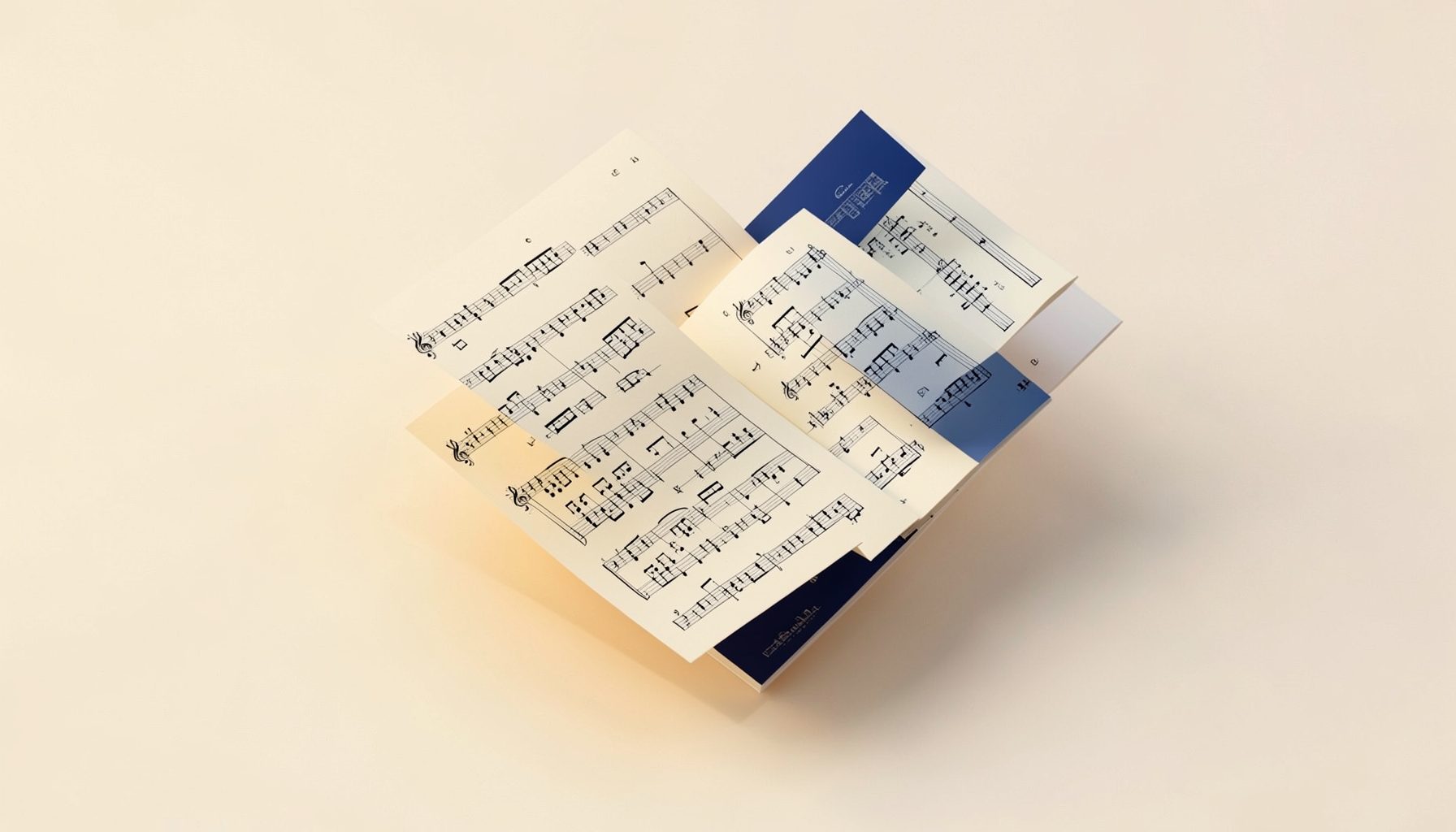
Once a hymn has been chosen and the players' abilities are clear, the actual writing process can begin. Many arrangers in Australia start by sketching the melody in simple block chords, then test those chords on the ukulele to confirm the shapes fall comfortably under the hand. After that, the recorder line is written as either a doubled melody or an ornamented countermelody, depending on the texture desired.
A small collection of tools makes the job far easier. Several free notation programmes run smoothly on Australian broadband connections and offer playback in both recorder and guitar-family timbres. A compact keyboard helps confirm harmonic choices quickly. A notebook for sketching harmonic plans away from a screen is surprisingly useful during those moments of inspiration on a quiet Sunday afternoon. For congregational favourites, the recent releases on specialist catalogues often include simple recorder and ukulele arrangements that can serve as reference models. Studying how more experienced arrangers handle the voicing of well-known hymns is one of the fastest ways to learn the craft.
Practical resources worth gathering:
- Sibelius or MuseScore for engraving and playback
- A capo or clip-on tuner for testing ukulele voicings
- A printed hymn book from the meetinghouse library as a starting reference
- A small MIDI keyboard or piano app for verifying harmonies
- A pencil and manuscript paper for sketching ideas away from screens
Voicing and harmonic choices
With the basic skeleton in place, the next task is giving the piece its distinctive shape. A common approach in Australian settings is to keep the first verse simple, with the recorder holding the melody and the ukulele providing a chordal pad underneath. By the second verse, the recorder can move into a descant or counter-melody, while the ukulele shifts to a more active broken-chord pattern. The final verse might bring both players together in fuller harmony, perhaps with a key change to lift the congregation in the closing lines.
Voicing decisions should always serve the singers. If the recorder doubles the melody an octave above, it should not overpower the soprano section. If the ukulele covers the bass line, the strumming should leave space between chord changes so the congregation can hear the harmony clearly. Listening to recordings of similar ensembles, including those shared through the LDS music catalog, helps confirm whether the balance feels right before the piece is committed to paper. Regional differences across Australian meetinghouses also matter: a high-ceiling chapel in Brisbane will absorb sound very differently from a smaller room in suburban Hobart.
Preparing to share the music
Once the transcription is finished, a few practical steps help the arrangement succeed in real settings. Rehearsing with the actual players, rather than with a MIDI playback, reveals phrasing and breathing quirks that no software can predict. A short run-through at a family home evening in suburban Brisbane, for instance, lets the arrangement be tested in the very context where it might be performed, and adjustments can be made on the spot.
Distribution matters as much as the notes themselves. Cleanly engraved PDFs, printed or emailed, are far more useful to ward musicians than handwritten manuscripts. Sharing through ward groups, stake newsletters, or community Facebook pages popular across Australia helps the music travel to other congregations that might benefit. A short note describing the skill level, suggested voicing, and approximate performance time helps others decide whether the arrangement suits their own setting.
Tips for a confident performance:
- Hold a read-through with the players at least a week before the event
- Print copies in clear, dark font for readers in low-light chapels
- Mark any cue notes directly into the parts for less experienced musicians
- Record a reference version so absent players can practise at home
- Plan a brief spoken introduction to explain the arrangement to the congregation
The beauty of small ensemble hymn music lies in its flexibility. A recorder and ukulele can accompany a congregation in a chapel in Launceston, provide a reflective moment at a baptism in Perth, or add warmth to a campfire testimony meeting in regional Queensland. Thoughtful transcription turns familiar hymns into something quietly transformative, and with a little practice, almost anyone willing to learn the basics can contribute arrangements that serve their local congregation for years to come.