

Inside an Australian collection of LDS music and vinyl
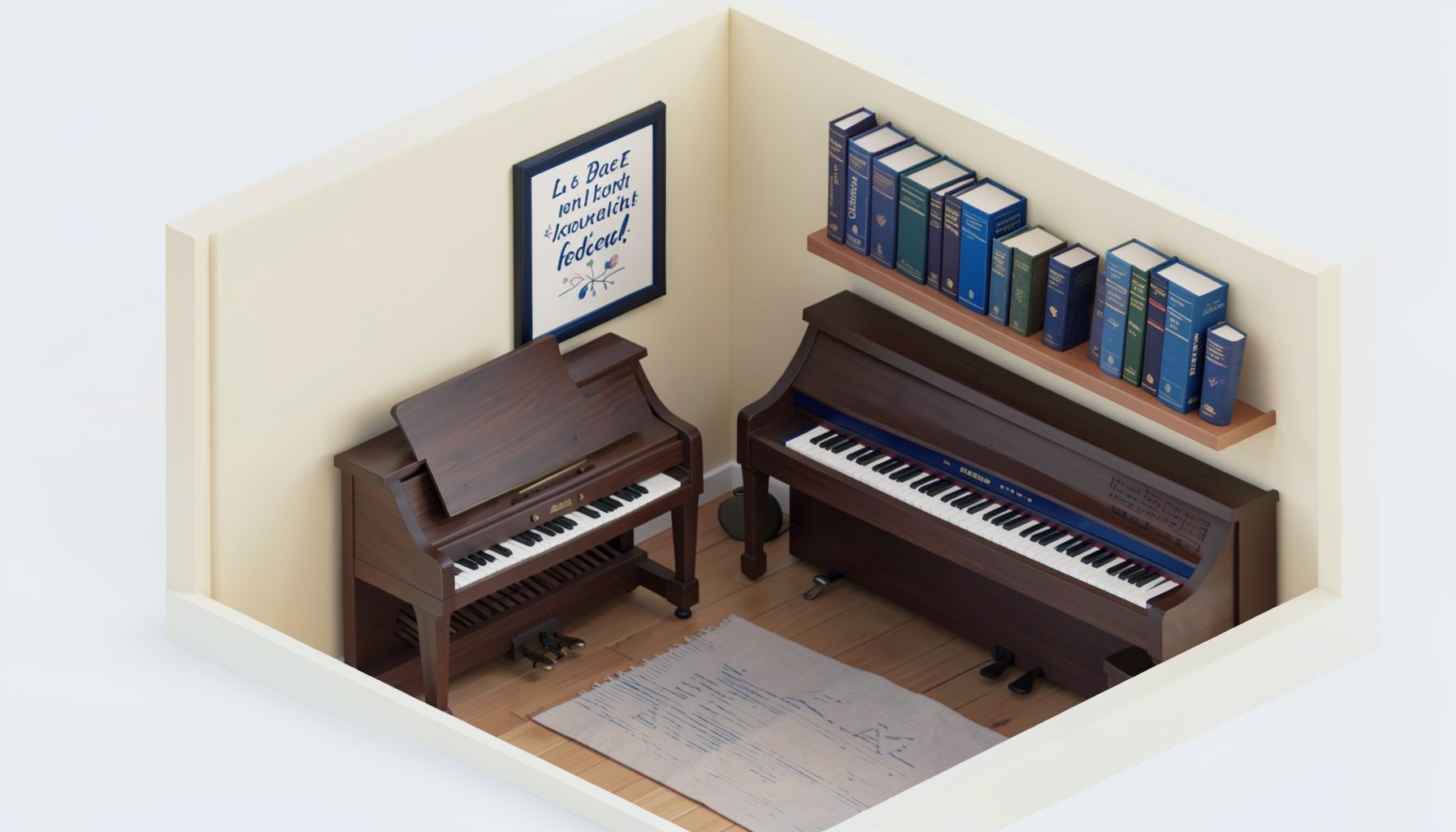
In a spare room in Adelaide, collector Daniel Mercer keeps more than 400 pieces of Latter-day Saint music memorabilia. His shelves hold missionary choir recordings, EFY albums, hymn arrangements, concert programmes, artist photographs and carefully sleeved vinyl records gathered over two decades.
The collection reflects a particular era of faith, technology and Australian music retail. CDs once arrived through ward networks and specialist catalogues, while MP3 downloads later changed how listeners discovered performers. Today, Mercer’s archive preserves the sounds, packaging and personal stories attached to that transition.
| Format | What collectors look for | Common Australian buying route |
|---|---|---|
| Vinyl records | Pressing quality, cover condition, signed sleeves | Record fairs, eBay, Gumtree |
| CDs | Early releases, limited editions, artist signatures | Op shops, ward contacts, online catalogues |
| Songbooks | Original arrangements and annotations | Church sales, private collections |
| DVDs | Concert footage, EFY events, regional performances | Second-hand marketplaces |
| Digital albums | Download cards, release history, metadata | Artist stores and archived catalogues |
How the collection began
“I bought my first LDS album as a teenager,” Mercer says. “It was a choir recording from the United States, and I played it constantly on a small CD player. I was interested in the music, but I also liked the booklet, the photographs and the way each release documented a moment.”
His interest became serious after moving to Brisbane for work. At a local record fair, he found an out-of-print inspirational album beside jazz and rock records. The seller had no idea it belonged to a Latter-day Saint performer, so Mercer paid only a few dollars. That discovery encouraged him to search more deliberately through church communities and second-hand markets.
What sits on the shelves
The collection includes American and Australian releases, though the Australian material is often harder to locate. Mercer has recordings by local soloists, regional choirs and musicians who performed at stake conferences, youth events and cultural evenings. Some releases were professionally manufactured, while others were short-run discs duplicated for a specific concert.
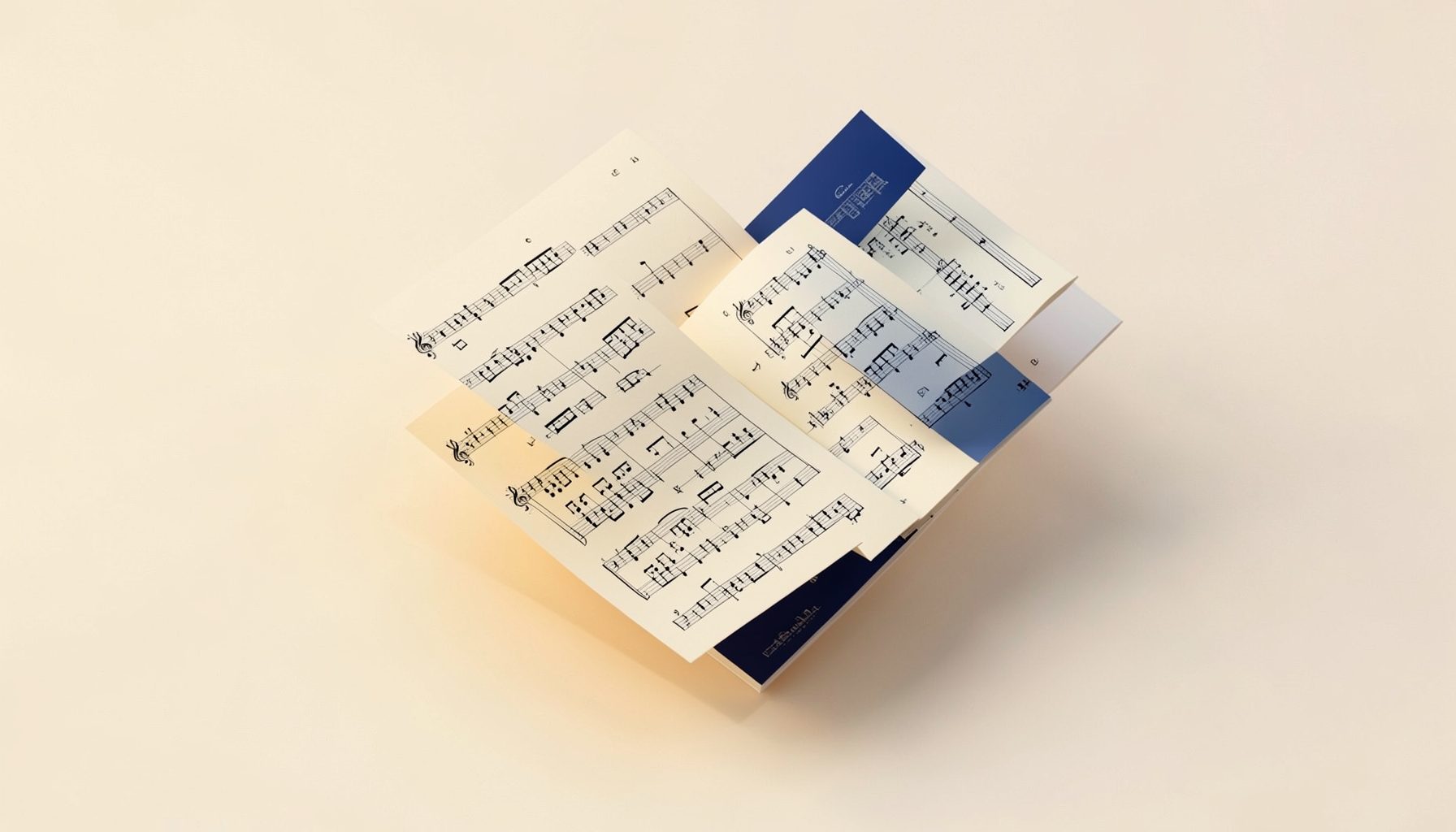
His most valued item is not the rarest pressing. It is a signed songbook from a Melbourne performer who wrote a personal note about a youth fireside where Mercer first heard the music. “Memorabilia becomes meaningful when it connects the object to an event,” he explains. “A signature is nice, but a date, venue or handwritten message can tell you much more.”
Hunting across Australian markets
Finding LDS music in Australia requires patience because the market is smaller than in Utah or other parts of the United States. Mercer checks weekend record fairs in Adelaide and Melbourne, visits suburban op shops, and watches listings on Gumtree and eBay Australia. He also asks friends travelling from Sydney, Perth or Auckland to keep an eye out for unusual releases.
Postage has become a major part of the calculation. A bargain CD can lose its appeal when interstate shipping costs nearly as much as the item. Australian buyers also need to consider GST on some online purchases and the condition of imported goods. Mercer photographs every parcel when it arrives, particularly if a vinyl sleeve has travelled through hot summer warehouses or a poorly protected mail system.
Why vinyl still matters
Vinyl represents only a small portion of LDS music releases, since many devotional albums appeared first on cassette or CD. Still, the format has a strong emotional appeal. The larger artwork gives photographers and designers space to present choirs, landscapes and performers in a way that a small digital thumbnail cannot match.
Mercer cleans records with a carbon-fibre brush and stores them vertically in protective sleeves. Adelaide’s dry climate is kinder to paper than humid coastal conditions, but heat remains a concern. He keeps the collection away from direct sunlight and avoids placing records in an uninsulated garage, where summer temperatures can warp discs and damage laminated covers.
Preserving sound and artwork
Preservation involves more than keeping an album playable. Mercer scans covers, records catalogue numbers and writes down where each item came from. He uses lossless digital files for personal listening while retaining the original disc or record as the primary artefact. This gives him a practical way to enjoy the music without repeatedly handling fragile materials.
Copyright also shapes what collectors can share. Australian copyright law allows personal ownership and private listening, but uploading complete albums or distributing copied files is a different matter. Mercer shares release information and photographs with other enthusiasts, while avoiding public uploads of full recordings. For him, responsible collecting means respecting artists whose work may have been produced in very small quantities.
The role of LDS music online
Before streaming became routine, specialist online catalogues helped listeners discover artists outside their local wards. The former LDS music store documented CDs, MP3 albums, DVDs, hymn arrangements and music connected with EFY and LDS performers. Mercer used similar catalogues to identify release dates and compare editions, even when the physical stock had already disappeared.
“Digital catalogues are useful because they leave a trail,” he says. “You can learn that an album existed even if you never find a copy.” He also applies caution when buying from unfamiliar websites, checking seller details, payment protection and independent reviews. That habit resembles the careful approach described in guidance about online trust checks, where verification matters before entering payment details.
A collection with a local story
For Mercer, collecting is tied to ordinary Australian routines: driving to a Sunday market, browsing a church noticeboard, collecting parcels from an Australia Post outlet and listening to music during a long trip between Adelaide and Melbourne. Each object has a geography as well as a sound. A programme from Perth, a CD found in Newcastle and a signed book from Sydney represent different stages of the same musical community.
The archive also preserves changing habits. Younger listeners may encounter LDS music through streaming playlists or social media clips, while older collectors remember cassette cases, printed newsletters and carefully ordered CD catalogues. Mercer sees no conflict between the formats. “A download can introduce someone to an artist,” he says. “A record, book or concert flyer can show them the life around that music.”