

Inside the writing of the new LDS youth theme songs
When a new youth theme song lands in an Australian ward, it arrives as a hum before it arrives as words. Sunday meeting begins at ten, the pianist finds the key, and a congregation of teenagers, uni students and primary children work out the tune in a single verse. Joel Merridew, a composer and arranger who has spent two decades writing sacred music for Latter-day Saint congregations across Australia and New Zealand, helped shape the songs now being taught in youth classes and sung at conferences.
In a wide-ranging conversation, Merridew talked about the brief, the lyric writing, the arrangement and the strange afterlife of a theme song once it leaves the studio and enters ordinary life: kitchen rehearsals in Brisbane, a ward choir in Geelong, a youth conference in Perth, a phone speaker playing a compressed recording while teenagers argue about whose turn it is to take the chorus.
He also explained why the music has to work in two very different rooms — a chapel with a pipe organ and a living room with a borrowed keyboard — and why nearly every decision was tested against one stubborn question: would a fifteen-year-old still mean this song in ten years?
One idea kept surfacing throughout. A theme song is not a marketing asset for the Church of Jesus Christ of Latter-day Saints. It is gathering music, written to be sung by people who will sing it imperfectly, loudly and with feeling.
The brief, the deadline and the doorstop delivery
Merridew's first weeks were spent on a brief that arrives with a deadline attached. Youth curricula are rewritten, conference programmes are locked, and a composer ends up working backwards from a date on a wall calendar. "You are given a direction, not a melody," he said. "The direction is gospel-centred, it has to be able to hold the attention of a Primary child and a Relief Society president in the same eight bars."
The process involved interviews with youth in several Australian cities, including Sydney and Melbourne, where the video footage was later shot. Those conversations shaped the emotional weather of the finished songs, particularly the tempo and the choice of how much build-up the chorus deserves before it opens out.
The same pipeline that has fed Australian families a steady diet of Church-released music for decades is still running. From the EFY years onward, the catalogue has given teenagers songs they recognise instantly, a continuity documented in EFY's 2021 album spotlight. The new youth material was written into that same family, with the same expectation that it will be sung rather than merely streamed.
Merridew is candid about the pace. "We record, we test, we throw out, we record again. Six months is short for something people will keep for a decade." The final versions were re-recorded with a youth choir, then re-tested in Australian wards before the video and the sheet music were released together.
Writing words a teenager will mean in a decade
The lyric came first, and it was the part Merridew guarded most fiercely. Earlier Church youth theme songs such as Love One Another and Choose to Be had set a benchmark: singable, declarative, and short enough that a congregation can learn it in one rehearsal. "If the congregation can only get to the chorus, the chorus has to carry the whole message," he said.
The writing started from the curriculum's emphasis on agency and testimony, and it was deliberately kept out of slogan territory. "We kept asking what a young person actually says to a friend at three o'clock in the morning," Merridew explained. "Not what a manual says. The gap between those two things is where the lyric lives."
Australian details fed straight into the imagery without becoming costume. There are the Saturday footy fixtures, the part-time shifts stacking shelves at Coles, the skate park off Chapel Street, and the long freeways where teenagers practise the refrain in the car. "A lyric that only works in a suburb of Salt Lake City will not connect in Geelong," he said. "The verse needed to sound like a real conversation, not a greeting card."
Structurally, the songs follow a familiar design: a first verse that states the situation, a chorus that lifts, a second verse that turns towards the gospel, and a bridge that asks for the kind of commitment that shows up on an ordinary Tuesday rather than at a conference.
Arranging for a room full of people
Arrangement is where most studio-trained composers overreach, and Merridew knew it. The songs were written in a hymn-like four-part idiom that a ward pianist can hold, with a melody designed to sit above the congregation rather than compete with it. "No instrumental intro longer than four bars," he said. "No chorus you have to sing two hundred times before it lands."
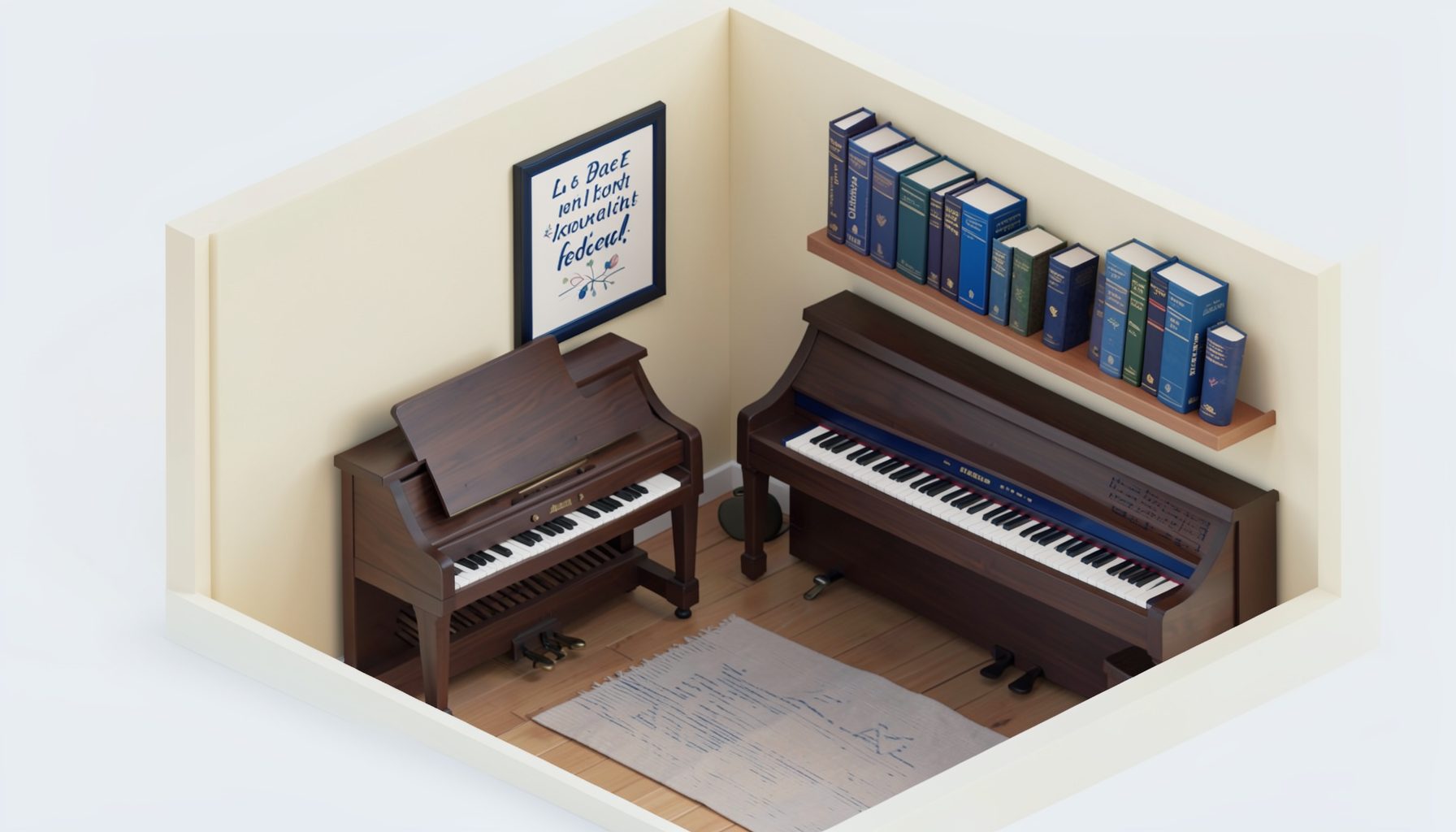
The recording used a concert grand in a Sydney studio, then a smaller upright for the congregational mix, because most Australian wards do not have the luxury of a grand piano. Coastal humidity in Queensland puts older instruments noticeably flat within a season, and Melbourne's damp winters are no kinder, so the tuning was deliberately checked with technicians before and after each session. Organists and pianists will still argue about the arrangement, and the published versions exist precisely so they can have that argument productively.
Listening habits have widened well beyond the ward building. Alongside official releases, the wider ecosystem of gospel and inspirational music online — destinations such as Diji Takip among them — is where many Australians now find new artists, and the new theme songs were deliberately made accessible to that audience.
How the song travels across Australia
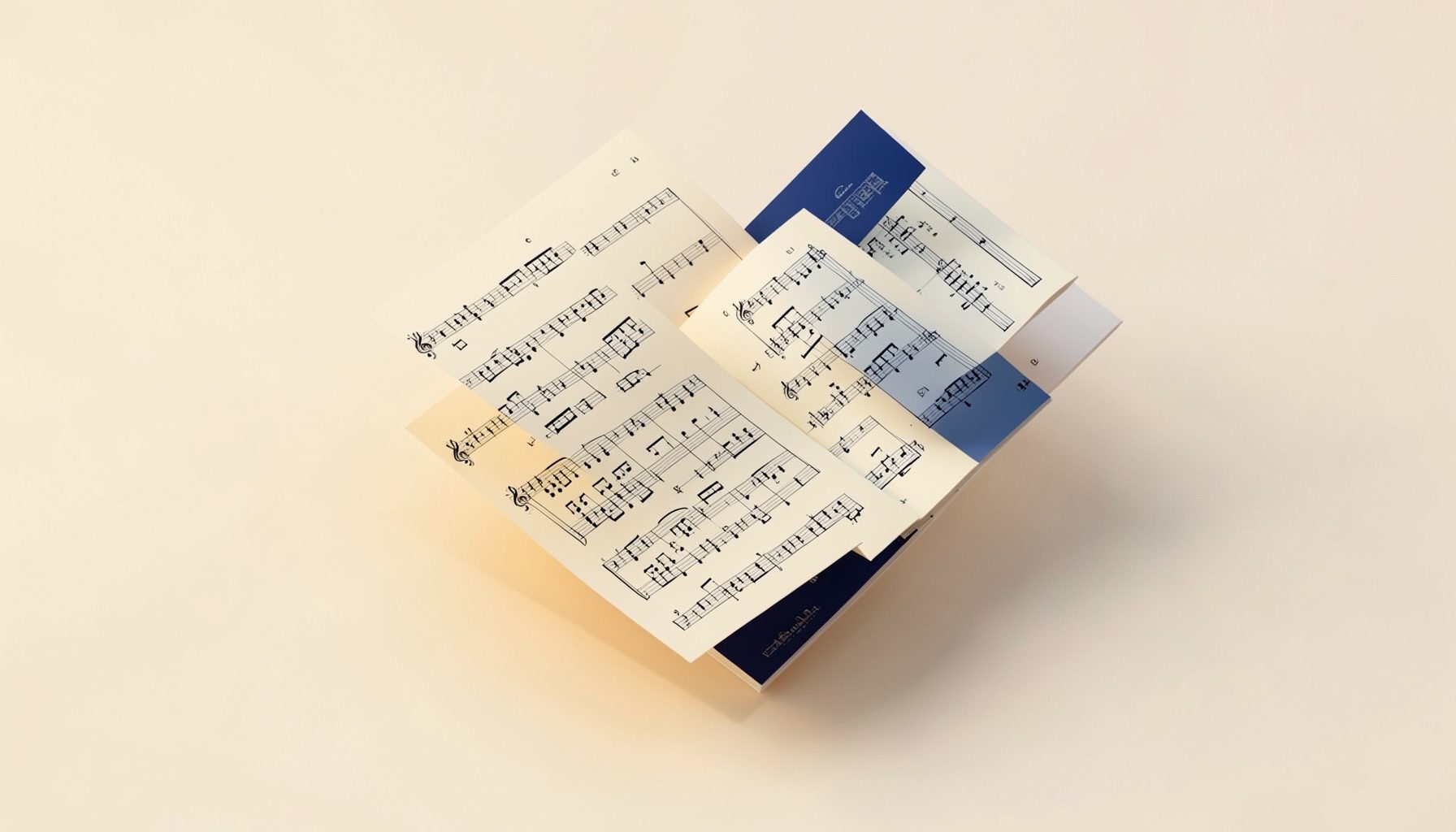
Distribution matters for sacred music, because a congregation needs the words in its hands as much as the melody in its ears. The material is available as printed songbooks, piano sheet music, digital albums and single-track downloads, and Australian buyers tend to split sharply between those who want a physical score for the piano bench and those who want the song on a phone before the next youth meeting.
The local market is unforgiving about formats. ARIA charts rarely trouble themselves with congregational or sacred releases, high-street chains such as JB Hi-Fi and Sanity stock a narrow religious shelf, and the Australian dollar makes imported sheet music expensive. Physical purchases carry GST, while digital storefronts quietly push listeners towards subscriptions that can hide a Church album behind an algorithm.
Australians have also become practised reviewers, and the same instinct that makes checking customer reviews part of the buying process applies when choosing a new arrangement for a choir. Feedback about readability, page turns and whether the keyboard part actually matches the recording saves a lot of Sunday morning frustration.
Regulation and timing shape the rest. The music video carries an M classification from the Classification Board, radio play requires APRA AMCOS performing rights, and orders travel by Australia Post, which makes the delivery window to Perth or Darwin considerably longer than the trip to a Sydney suburb. A spring release also has to negotiate school holidays, Christmas carols in every Westfield centre and the annual Anzac Day commemoration, when sacred music of an entirely different register occupies the same stages.
Listening, learning and sharing the songs at home
Merridew's advice to families is disarmingly simple: treat the songs as repertoire, not as an announcement. Hear them, learn the chorus, and let the verses do their work over time.
- Listen to the recording twice before reading the lyrics, so the tune is already familiar when the words arrive.
- Practise the chorus as a family group, because a unison chorus is where the confidence for the harder verses comes from.
- Use the piano sheet music to check the shape of the phrases, not just the notes, and to find a key that suits the singers in the room.
- Record a short home version for social media, keeping it simple, since an honest living-room performance travels further than a polished studio clip.
- Teach the song in the same place the gospel is taught, so the family and the classroom can reinforce each other.
- Keep a copy of the printed songbook in the car, since that is where many families actually rehearse.
Families who want the full scores, hymn arrangements or piano editions can check the formats and delivery details on the store's help page, and Merridew's final comment was about the audience rather than the release date. "A theme song is finished when nobody credits the composer," he said. "It is finished when a ward in Ipswich sings it badly and means every word."