

Music for Your Home Evening: Themes and Hymns
A home evening built around music can be simple, warm and memorable. In an Australian household, it might involve a hymn at the piano in Adelaide, a family singalong in a Brisbane living room, or a carefully chosen playlist shared between relatives in Melbourne and Perth. The setting matters less than creating space for participation, reflection and conversation.
Music also gives each gathering its own character. A short devotional might suit a traditional hymn, while a lesson about service could benefit from an uplifting contemporary recording. With the right combination of theme, lyrics and atmosphere, a family music night can become a regular part of spiritual and family life rather than an occasional activity.
Begin with a clear spiritual theme
A strong theme gives the evening direction and helps you choose music with purpose. Suitable ideas include gratitude, prayer, kindness, missionary service, courage, family relationships and finding peace during difficult circumstances. Keep the focus narrow enough that the music, lesson and discussion feel connected.
For a theme about gratitude, choose songs that recognise daily blessings, family support and the beauty of creation. A discussion about prayer might begin with a quiet hymn, followed by a personal story or a few minutes of family testimony. The music does not need to explain every aspect of the subject; it can create a thoughtful mood that invites people to contribute.
The ages and interests of your household should shape the selection. Young children may respond to repetition and actions, teenagers may prefer a modern arrangement, and adults may appreciate a familiar hymn that recalls earlier family experiences. A balanced home evening can include all three styles without making the programme feel disjointed.
Pair hymns with meaningful activities
Hymns work especially well when they lead into an activity rather than standing alone. After singing about service, family members could prepare care packages, write notes to neighbours or plan a practical act of kindness. A lesson on creation might include a short walk, nature sketches or a conversation about caring for the local environment.
The hymn collection can help families browse familiar texts and discover less frequently sung verses. Reading the words before listening is useful, particularly when a hymn contains older language or several verses. Invite each person to identify a line that relates to the evening’s theme, then discuss why it stood out.
Instrumental versions are valuable when singing confidence is mixed. A piano arrangement, guitar recording or soft orchestral track can support a reflective moment without placing pressure on anyone to perform. If someone in the family plays an instrument, allow them to choose a manageable arrangement and make the contribution part of the evening.
Create an inviting listening atmosphere
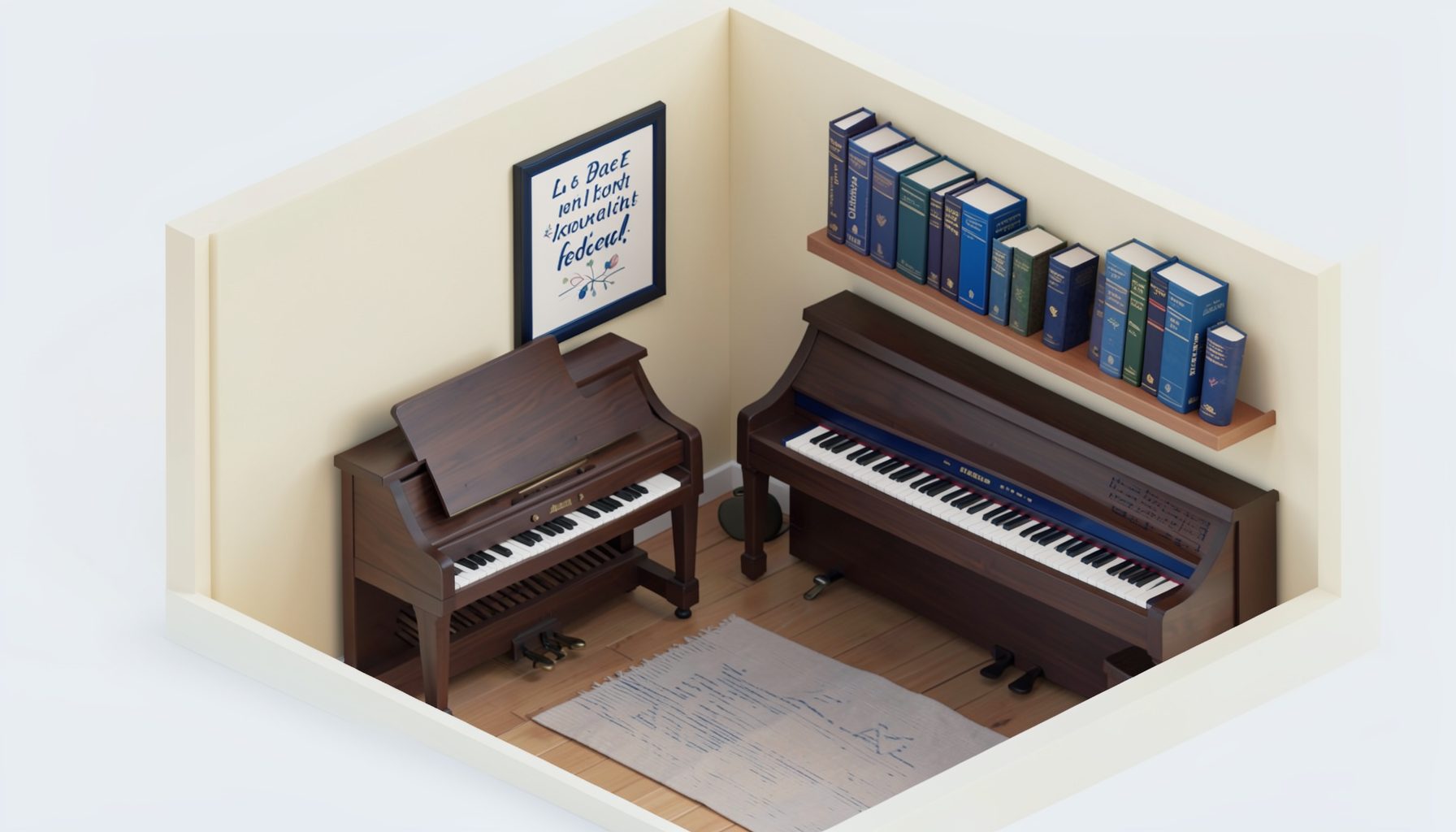
A home evening does not require specialist audio equipment. A phone, compact speaker or household piano may be enough, provided the volume allows people to hear one another. Arrange chairs so everyone can see the person leading, and keep the musical portion short enough to hold attention.
Australian homes often have very different listening conditions. A summer evening in Sydney may call for an outdoor gathering on a veranda, while a cooler night in Hobart may suit a small circle around the dining table. In regional areas, where travel to concerts or music shops can take time, a thoughtfully organised home playlist offers an accessible way to explore new artists.
Consider the difference between background music and active listening. Ask family members to notice an instrument, lyric or vocal harmony, then share what they heard. For a change of pace, families interested in roots music can compare the energy of live recordings, such as the Japanese rockabilly albums, with the more devotional atmosphere of a hymn arrangement.
Include different generations and traditions
Music can connect grandparents, parents and children through shared memories. An older family member might explain when a particular hymn became meaningful, while a child can introduce a current LDS artist or a song discovered through a streaming service. These exchanges turn a playlist into a conversation about faith, family history and personal experience.
Families with multicultural backgrounds can include hymns or sacred songs in more than one language. Even when not everyone understands every word, hearing a familiar message expressed differently can broaden appreciation for worship traditions. Keep the arrangement welcoming, and provide translated lyrics when they help people participate.
For teenagers, avoid presenting contemporary music as a lesser substitute for traditional hymns. A carefully produced youth recording may communicate hope, belonging or discipleship in language that feels immediate to them. Likewise, a classic hymn can offer musical depth and a connection with the wider Latter-day Saint community.
Explore the wider LDS music story
A themed evening can become more engaging when families learn where a song or musical style came from. Discuss the role of congregational singing, youth conferences, missionary albums and local performances. This background helps listeners understand that LDS music has developed through homes, wards, festivals, choirs and independent artists.
The history of LDS music gatherings offers useful context for a family discussion. After reading about musical events and community participation, compare them with local experiences such as a ward choir presentation, a youth concert or a regional conference performance. In Australia, distance between cities can make local gatherings especially important for building musical connections.
You can also create a small family archive. Save favourite recordings, write down who selected each song and note the theme of the evening. A shared digital folder works well, while a notebook beside the piano can preserve comments and memories that streaming playlists cannot. Over time, the collection becomes a record of family worship and changing musical tastes.
Build a repeatable home evening format
A predictable structure makes preparation easier while leaving room for creativity. Begin with a welcome and opening prayer, introduce the theme, play or sing one song, and follow with a brief thought or activity. End with a second musical selection and a closing prayer. The entire programme can take 20 to 30 minutes.
Use these practical ideas to keep each gathering focused:
- Choose one central message rather than several unrelated topics.
- Select two or three songs, including at least one piece everyone can join.
- Read or display the lyrics so family members can follow the meaning.
- Give children and teenagers specific roles, such as introducing a song or playing percussion.
- Match the activity to the theme through service, discussion, journalling or a short walk.
- Save the final playlist and a few family reflections for future evenings.
Music for your home evening becomes most effective when it feels natural to the people taking part. A familiar hymn, a new vocal arrangement, a child’s piano performance or a quiet instrumental track can each support worship in a different way. With thoughtful choices and regular participation, the family music night can become a treasured Australian household tradition.