

A Cappella Hymns Give Young Men Groups a Fresh Sound
A new collection of a cappella hymn arrangements offers Young Men groups a practical way to make familiar worship music sound fresh, energetic and distinctly communal. Designed for unaccompanied voices, the release turns standard Latter-day Saint hymns into pieces that can be performed by a small quorum, a combined youth group or a larger stake gathering.
The arrangements are especially suited to Australian congregations, where youth activities may bring together singers from different cultural backgrounds, musical abilities and distances. Whether the group rehearses in a Sydney meetinghouse, a Brisbane chapel or a regional Queensland branch, the music can travel easily because it needs no piano, backing track or specialised equipment.
A sound built for familiar worship
A cappella singing places the hymn text and the character of each voice at the centre. Instead of relying on instrumental accompaniment to establish the tempo, singers create the pulse together. Bass voices provide warmth, altos fill the harmony, and tenors or upper voices can add movement through countermelodies and carefully placed descants.
This approach gives well-known hymns a renewed identity without losing their devotional purpose. A restrained opening may grow into a full, resonant final verse, while a lighter arrangement can bring a sense of youthfulness to a song usually associated with formal Sunday worship. The result is suitable for sacrament meetings, youth conferences, missionary farewells and special musical numbers.
The release also reflects the wider interest in youth-focused LDS music. Listeners who enjoyed the varied production and strong group performances discussed in this EFY album review may appreciate a collection that places ensemble singing rather than studio effects at the forefront.
Arrangements that reward shared preparation
The strongest feature of these hymn settings is their accessibility. Parts are written to give developing singers a clear entry point, while more confident members can take harmony lines that add colour and depth. A director can begin with melody and bass, then introduce inner parts once the group has established accurate rhythm and diction.
That gradual process matters for Young Men groups, where attendance can change from week to week. A flexible arrangement allows a quorum to perform a shortened verse with four singers or build a fuller version when several groups combine. It also reduces the pressure on one confident soloist, making the performance a shared contribution.
Rehearsals can focus on skills that carry into other areas of music: listening across the ensemble, matching vowels, breathing together and maintaining a steady tempo without a conductor. These are valuable habits for church choirs, school ensembles and community vocal groups across Australia.
Well suited to Australian youth programmes
Australian LDS units often work within practical limits. A youth conference in Melbourne may use a hired community venue, while a branch outside Adelaide might have a smaller music cupboard and fewer instruments. An a cappella repertoire is easy to transport and can be rehearsed in a chapel, classroom, lounge room or outdoor camp setting without depending on electrical equipment.
The collection could also suit combined activities during the Australian school year, when holidays and sporting commitments affect attendance. A group in Perth might prepare a hymn for a regional gathering, while young men from Sydney or Canberra could perform the same arrangement at a stake youth devotional. Consistent sheet music makes it easier for visiting leaders and youth to join rehearsals.
Local customs can shape the presentation as well. A relaxed performance at a youth camp may work with singers standing in a semicircle, while a sacrament meeting number may call for a more formal formation. In either setting, the music leaves room for clear pronunciation, respectful delivery and the warm, direct sound that audiences often value in live vocal performance.
Selecting pieces for different voices
A balanced programme should include more than one musical mood. Begin with a hymn that has a clear melody and a comfortable range, then add a slower devotional arrangement and finish with something rhythmically confident. This gives singers variety while helping the audience experience the collection as a considered performance rather than a sequence of unrelated numbers.
Leaders should check the range of every part before assigning voices. Young singers may be changing vocal registers, and a written tenor line may not suit every member. Transposing a piece, doubling the melody or allowing a lower harmony to support the ensemble can preserve confidence while keeping the arrangement musically convincing.
Lyrics deserve equal attention. Hymn performance depends on shared consonants and unified vowels, particularly in larger rooms where words can become blurred. Short rehearsal recordings, printed markings and section practice can help groups prepare efficiently. A simple plan is often enough: learn notes first, add words second, then rehearse entrances, dynamics and the final release.
Practical ways to use the collection
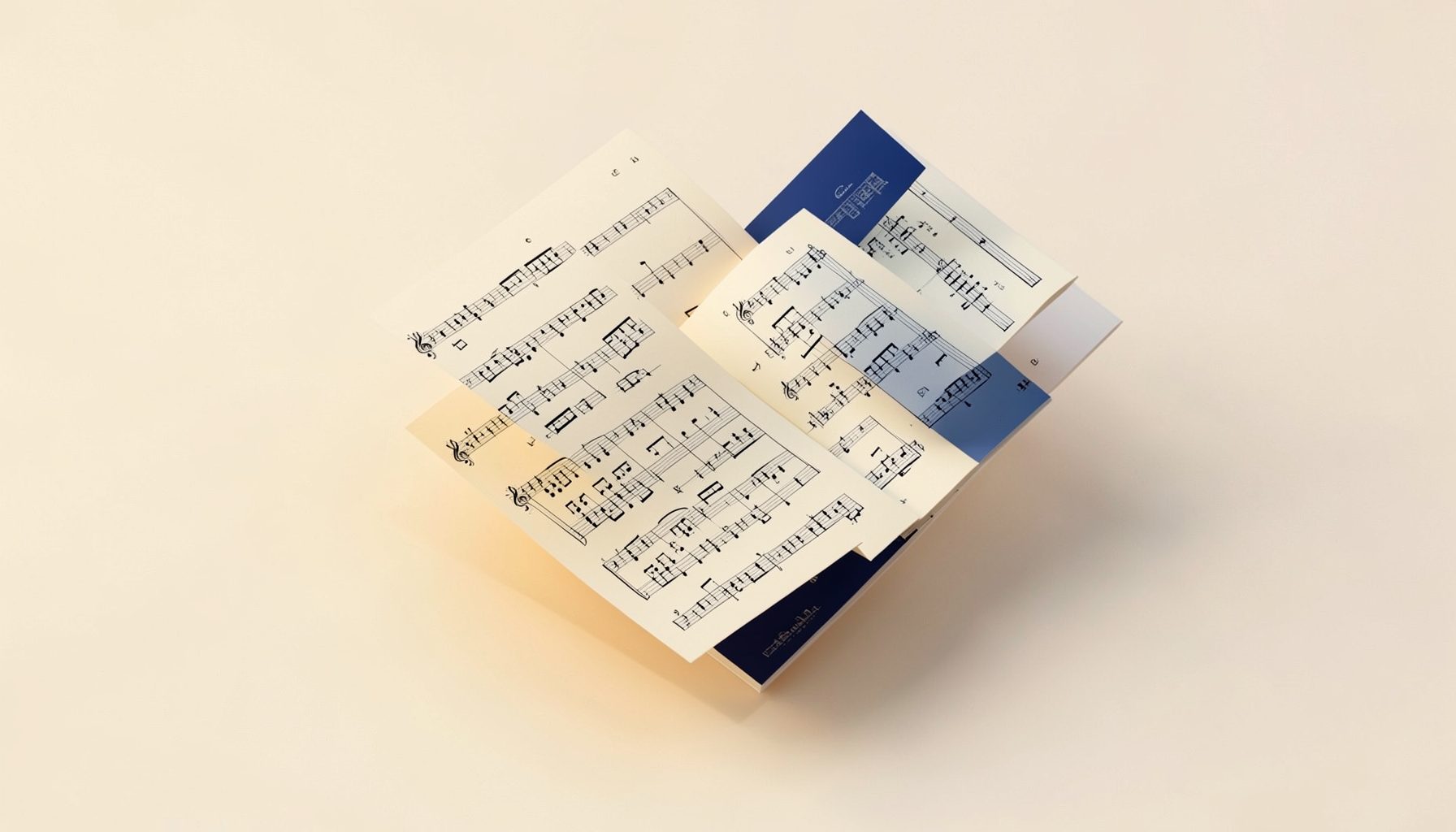
A new vocal release can serve several purposes beyond a single musical number. It may become a regular part of quorum activities, a resource for youth conference workshops or a starting point for discovering other LDS recordings and arrangements. Because the parts are portable, groups can continue rehearsing when a pianist is unavailable or when activities move away from the meetinghouse.
Leaders can also connect the songs with local events and calendars. A hymn might be prepared for a baptism, a ward Christmas programme or a stake youth devotional, while a more informal arrangement could accompany a service project reflection. In Australia, planning around school terms, public holidays and long travel times is essential, so a repertoire that can be rehearsed in short sessions is especially useful.
- Choose one accessible hymn before adding more demanding harmonies.
- Assign parts according to comfortable vocal range rather than age or confidence alone.
- Use section rehearsals to strengthen rhythm, diction and independent entries.
- Record a practice run so singers can identify balance problems.
- Adapt the formation for chapel acoustics, community halls or outdoor settings.
- Keep printed music and rehearsal tracks available for members who travel long distances.
The catalogue and companion material associated with Your LDS Music Store also provide a useful record of how Latter-day Saint artists, youth albums and hymn arrangements were presented to listeners. Its music blog documented releases, artist features and music news, placing this kind of collection within a broader history of LDS music discovery.
For Young Men groups, the appeal of the release is straightforward: it makes worship music collaborative, affordable to stage and adaptable to different levels of experience. A well-prepared a cappella hymn can fill a chapel with sound while reminding singers that the most important instrument in the ensemble is the group itself.