

The Gift of Faith revives beloved hymns through organ craft
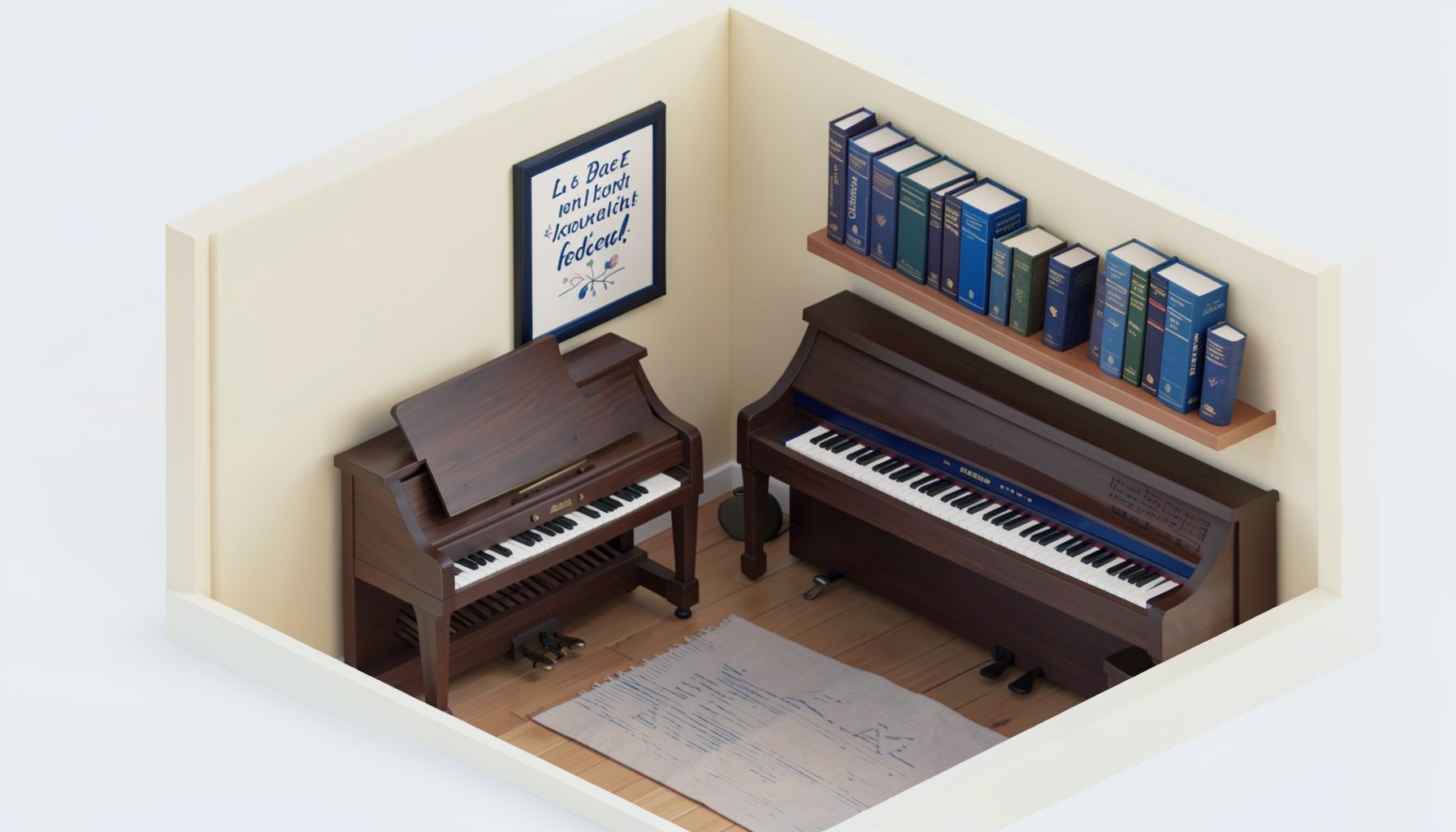
For many Latter-day Saints, the sound of a pipe organ carries a particular weight. It frames the opening of sacrament meeting, swells beneath congregational singing, and offers moments of quiet reflection between spoken words. The Gift of Faith, an album of hymn variations for organ, leans into that weight with care and craft. Across its runtime, the recording invites listeners to slow down and rediscover familiar melodies through a lens of devotional invention, treating the organ as both an instrument of tradition and a vehicle for personal worship.
The album arrives at a moment when many families and ward music chairs are rethinking how sacred music enters the home. Streaming libraries have made discovery easier, but the appetite for recordings that feel rooted in reverence has not faded. The Gift of Faith answers that appetite without resorting to embellishment for its own sake. Each variation is built on a clear foundation, then unfolded with thoughtful counterpoint, gentle ornamentation, and the kind of harmonic colour that rewards both casual listening and patient study.
The place of the organ in Latter-day Saint worship
Few instruments are woven as tightly into the fabric of Sunday worship as the organ. It carries the choir when voices are few, fills the chapel with sustained sound, and sets a contemplative tone before and after the sacrament. In Australia, where many meetinghouses host smaller congregations and rely on dedicated musicians to keep the music vibrant, the organ often becomes a unifying presence. Listeners from Brisbane to Perth will recognise the comforting hum of a chapel organ warming up before fast and testimony meeting, and that same hum echoes through the album's careful engineering.
For organists, the instrument is also a teacher. Studying variations of well-known hymn tunes sharpens an understanding of harmony, voice leading, and pacing. Pianists who work alongside ward organists in regional areas, from coastal Adelaide to the tablelands of New South Wales, often use recorded hymn arrangements as a way to broaden their improvisational vocabulary. The Gift of Faith offers a generous library of examples for that kind of quiet professional development.
A performer who knows the hymns inside out
The organist behind this recording approaches the hymns with the familiarity of a long-time ward musician. Phrases breathe rather than rush, and rests are treated as part of the musical argument. Where a variation calls for filigree, the playing remains uncluttered. Where a verse calls for stillness, the registration pulls back to a hushed foundation of flutes and strings, the kind of sound Australian listeners might recognise from a heritage organ in one of Sydney's older chapels or from a recital in a regional cathedral hall.
What sets the performance apart is the respect given to each hymn's text. The variations are not showcases for empty virtuosity; they are musical commentaries on the words. A tender setting of "I Am a Child of God" unfolds with the wide-eyed sincerity of the original lyric, while a more resolute treatment of "Come, Come, Ye Saints" carries the rhythmic urgency of pioneers on a long road. That sensitivity makes the album feel less like a recital and more like a sung prayer.
Walking through the track list
The album moves through a thoughtful sequence of favourites and less frequently heard selections. "Be Still, My Soul" opens with a chorale-like statement before blooming into a flowing triplet figure that feels both reverent and warm. "How Firm a Foundation" is treated with a sense of architectural solidity, each variation adding a new voice in a way that mirrors the hymn's own structure. Other tracks turn to lesser-performed tunes, offering organists a chance to bring neglected gems back into regular rotation.
Listeners who serve as ward music coordinators will find plenty to draw from when planning preludes and postludes. The album pairs naturally with curated resources, including this roundup of prelude options for sacrament meeting. Together, they form a practical toolkit for shaping a quiet, reverent atmosphere without repeating the same handful of standard pieces week after week.
A useful resource for sacrament and reflection
Beyond the chapel, the album settles comfortably into home listening. Winter arvos when the light fades early are an obvious setting for a full listen with the family. Parents looking for an alternative to streaming playlists can use the recording as a backdrop for scripture study or for marking personal moments of gratitude. Several tracks are short enough to fit into a family home evening or a personal devotional at the end of a long day.
For musicians, the variations also function as study material. Slowing the recording down, whether through software or by replaying favourite passages, reveals the harmonic logic behind each choice. Australian organists, whether based in a regional meetinghouse or a city chapel, often share such recordings with students or family members learning the instrument, and this album suits that role well.
Recording quality and production choices
The engineering favours clarity over showmanship. Close-mic warmth sits comfortably beneath a generous acoustic bloom, and the instrument's full range is preserved without the brittleness that sometimes plagues solo organ recordings. Pedal lines remain audible, even during the more elaborate manual passages, which is essential for an instrument that relies as heavily on bass foundations as the organ does. Headphones reward the listener, but the album also translates well to a living room speaker or a small chapel system.
That balance is important for an album likely to be heard in varied settings. Whether someone is listening through earbuds on a suburban commute in Melbourne or playing the disc quietly in a kitchen in Hobart, the recording holds its character. The producer has resisted the temptation to add reverb-heavy effects, leaving the organ to speak with its own natural voice.
How the album sits in a wider LDS music conversation
Latter-day Saint music has always been a broad conversation, stretching from plain hymnody to contemporary worship, from solo piano collections to the energetic crossovers of recent decades. An album like The Gift of Faith belongs to a quieter wing of that conversation, but it sits alongside louder traditions rather than apart from them. Readers curious about the more unexpected corners of LDS music history may enjoy exploring the story of rockabilly's cross-pollination with rhythm and blues, which captures a different but equally rooted chapter in the community's musical life. Both examples remind listeners that reverence and variety can sit comfortably together.
Practical ways to use the album at home and at church
The Gift of Faith earns its place on the shelf, both physical and digital, for organists, pianists, choir directors, and anyone who simply finds comfort in hymn-based music. Its reverent tone, careful engineering, and respect for the hymnal make it a recording that returns to a family across decades, picked up again each Christmas, each general conference weekend, or each time a young family member begins piano lessons and needs a steady musical companion. A few simple habits can help the album find a regular place in family and worship life.
- Begin a fast Sunday with a quiet playing of "Be Still, My Soul" as the family gathers.
- Use "How Firm a Foundation" as a study aid when teaching the principle of reliance on Christ.
- Pair the album with a printed hymn on a Sunday arvo for a gentle hour of reflection.
- Share specific tracks with ward musicians looking for fresh prelude ideas.
- Add the recording to a personal playlist that marks meaningful seasons of life.
- Keep the album accessible for visitors, missionaries, or friends exploring sacred music.
Your LDS Music Store carried this recording alongside other organ and hymn-focused collections, and the catalog has long been a quiet resource for Australian Latter-day Saint musicians hunting for dependable additions to their libraries.