

I Need Thee Every Hour In Modern Musical Arrangements
Few hymns express dependence on God with the directness of “I Need Thee Every Hour.” Its melody is familiar, its language is personal, and its repeated appeal gives singers room to reflect rather than simply perform. That combination has helped the hymn remain meaningful across generations of Latter-day Saint worship and home music-making.
Annie S. Hawks wrote the text in 1872, while Robert Lowry composed the tune commonly associated with it. The hymn’s structure is straightforward: short phrases, a recurring refrain, and a melodic shape that supports congregational singing. Those qualities make it especially adaptable for piano solos, vocal recordings, sacrament meeting settings, and contemporary devotional arrangements.
Modern versions do not need to abandon the hymn’s original character. The strongest arrangements preserve its reverence while changing texture, tempo, harmony, or instrumentation. A quiet piano interpretation can feel intimate, while a choral or acoustic treatment can bring out the communal dimension of the words.
Why The Hymn Continues To Resonate
The central phrase, “I need Thee every hour,” is both simple and expansive. It speaks to ordinary routines, difficult decisions, spiritual uncertainty, and moments of gratitude. Because the text does not depend on a specific historical event, arrangers can place it naturally in many settings, from a personal devotional recording to a Sunday worship service.
Its refrain also creates a built-in emotional return. Each verse introduces a related need—peace, joy, protection, or guidance—before returning to the same declaration. Modern musicians can emphasize this pattern through dynamics, adding instrumentation gradually or allowing the refrain to become fuller after each verse.
The hymn’s inclusion in the LDS hymns collection reflects its place within the broader Latter-day Saint musical tradition. For listeners exploring different hymn arrangements, comparing the printed melody with recorded interpretations can reveal how much expressive possibility exists inside a seemingly uncomplicated tune.
Arrangement Choices That Change The Mood
Tempo is one of the clearest ways to reshape the hymn. A measured tempo leaves space around each line and suits a reflective piano or vocal solo. A slightly flowing pace can make the piece feel warmer and more contemporary without turning it into a secular pop song. The essential consideration is that the words remain understandable.
Harmony offers another path. Traditional chord progressions reinforce the hymn’s familiar sound, while gentle suspended chords, passing tones, or altered bass notes can add color. These choices work best when they support the melody instead of competing with it. Excessive harmonic complexity may distract from the directness that makes the hymn effective.
Instrumentation establishes the arrangement’s setting. Piano and voice suggest intimacy, strings create a devotional atmosphere, and acoustic guitar can give the hymn a home-centered quality. A restrained electronic pad or subtle percussion may suit a modern recording, provided the production leaves enough room for the vocal line and congregational character.
| Arrangement style | Musical emphasis | Suitable setting | Main production concern |
|---|---|---|---|
| Solo piano | Melody, rubato, personal reflection | Home devotion or recital | Keeping the accompaniment from becoming overly elaborate |
| Voice and guitar | Warmth, clarity, conversational phrasing | Small gathering or acoustic recording | Maintaining steady pitch and supportive rhythm |
| SATB choir | Unity, harmonic richness, shared testimony | Worship service or concert | Balancing sections and preserving lyrical clarity |
| Instrumental ensemble | Texture, atmosphere, melodic focus | Background devotion or interlude | Avoiding a treatment that feels emotionally detached |
| Contemporary worship band | Lift, repetition, communal participation | Youth or larger worship setting | Matching volume and arrangement energy to the text |
Piano Settings That Invite Participation
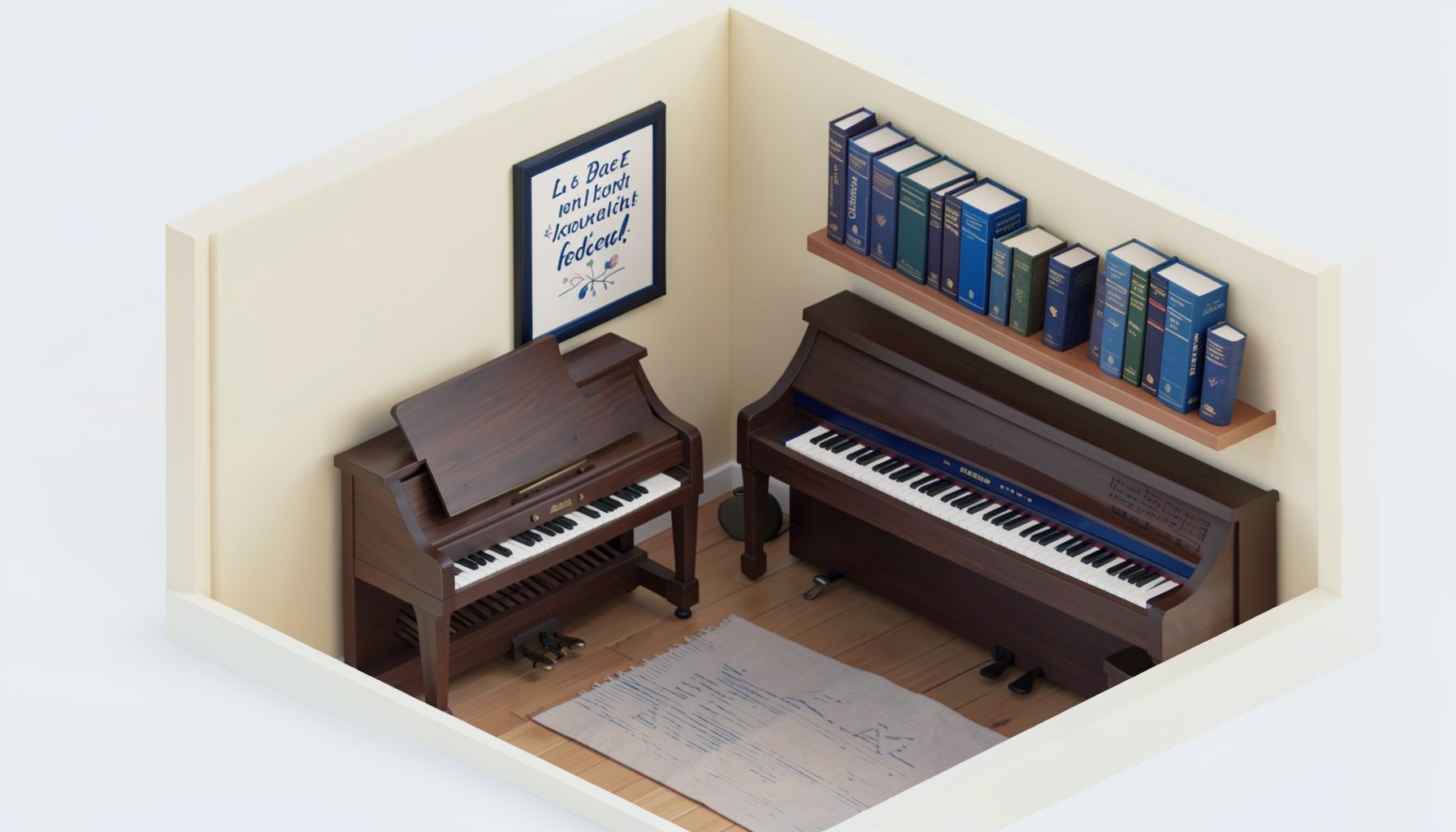
Piano remains one of the most useful instruments for this hymn because it can provide both melody and harmonic support. A beginning player may use block chords beneath the tune, while an intermediate musician can add broken-chord patterns, inner movement, or a short introduction. Advanced players might create a prelude that quotes fragments of the melody before presenting the hymn in full.
A good piano arrangement pays attention to breathing. The player should allow small spaces between phrases instead of filling every beat. Pedaling also matters: too much sustain can blur the words when accompanying a singer, while carefully changed pedal points can make a solo performance sound spacious.
Those learning to accompany hymns can develop practical skills through sight-reading practice. “I Need Thee Every Hour” is useful for this work because its phrasing is recognizable, its harmonic language is approachable, and its repeated refrain allows a student to focus on musical expression after learning the basic notes.
Vocal And Choral Interpretations
A solo vocalist can make the hymn sound like a personal prayer. Clear diction is especially important because the text carries the emotional message. Rather than adding constant vibrato or dramatic volume changes, a singer may achieve greater impact by varying tone color and allowing the refrain to open naturally.
For a duet, alternating lines can suggest conversation or shared testimony. One singer may take the verse while both voices join on the refrain, creating a modest sense of expansion. This approach works well for family performances, small church groups, and recordings that want to preserve an intimate atmosphere.
Choral arrangements offer more room for contrast. Unison singing can establish the melody, followed by two- or four-part harmony on selected phrases. A composer might reserve richer chords for “I need Thee” and return to a simpler texture for the verse. The result can sound modern while retaining the hymn’s congregational foundation.
Contemporary Recordings And Visual Presentation
Modern listeners often encounter hymns through recorded performances rather than printed hymnals. A polished recording may use close vocal microphones, layered harmonies, cinematic strings, or a restrained band. These production tools can make the hymn accessible to younger audiences, though the arrangement should still feel connected to the original devotional purpose.
Visual presentation influences reception as well. A performance video filmed in a chapel, home studio, or natural landscape can reinforce the hymn’s reflective qualities. Simple visuals often work better than elaborate effects because the listener’s attention remains on the words and melody. Collections of LDS music videos can provide useful examples of how artists frame sacred songs for online audiences.
Digital formats also make comparison easier. A listener can move from a traditional organ setting to a solo piano version, then to a choir arrangement, hearing how tempo, register, and vocal delivery alter the emotional center. The hymn remains recognizable even when its musical surroundings change substantially.
Choosing An Arrangement For Worship
The best version depends on the purpose. A sacrament meeting arrangement should support congregational participation and avoid a performance style that makes singing feel optional. A home recording can be more personal, with flexible tempo and a smaller instrumental palette. A concert arrangement may take greater expressive liberties, especially during an extended introduction or final refrain.
Musicians should also consider the range of the singers. Transposing the hymn can make it more comfortable for a soloist or children’s choir. A lower key may give a male vocalist warmth, while a higher but manageable key can help a soprano or youth group achieve a brighter sound. Comfort improves pitch, diction, and confidence.
Useful preparation includes:
- Start with the original melody before adding modern harmonies.
- Choose a tempo that allows every line of text to be understood.
- Use dynamics to shape the verses and give the refrain direction.
- Keep instrumental decoration secondary to the vocal message.
- Test the arrangement with the actual singers or players before performance.
A thoughtful arrangement is measured by its service to the hymn. New chord colors, instrumental layers, and recording techniques are valuable when they help listeners hear familiar words with renewed attention. They become less effective when novelty replaces sincerity.
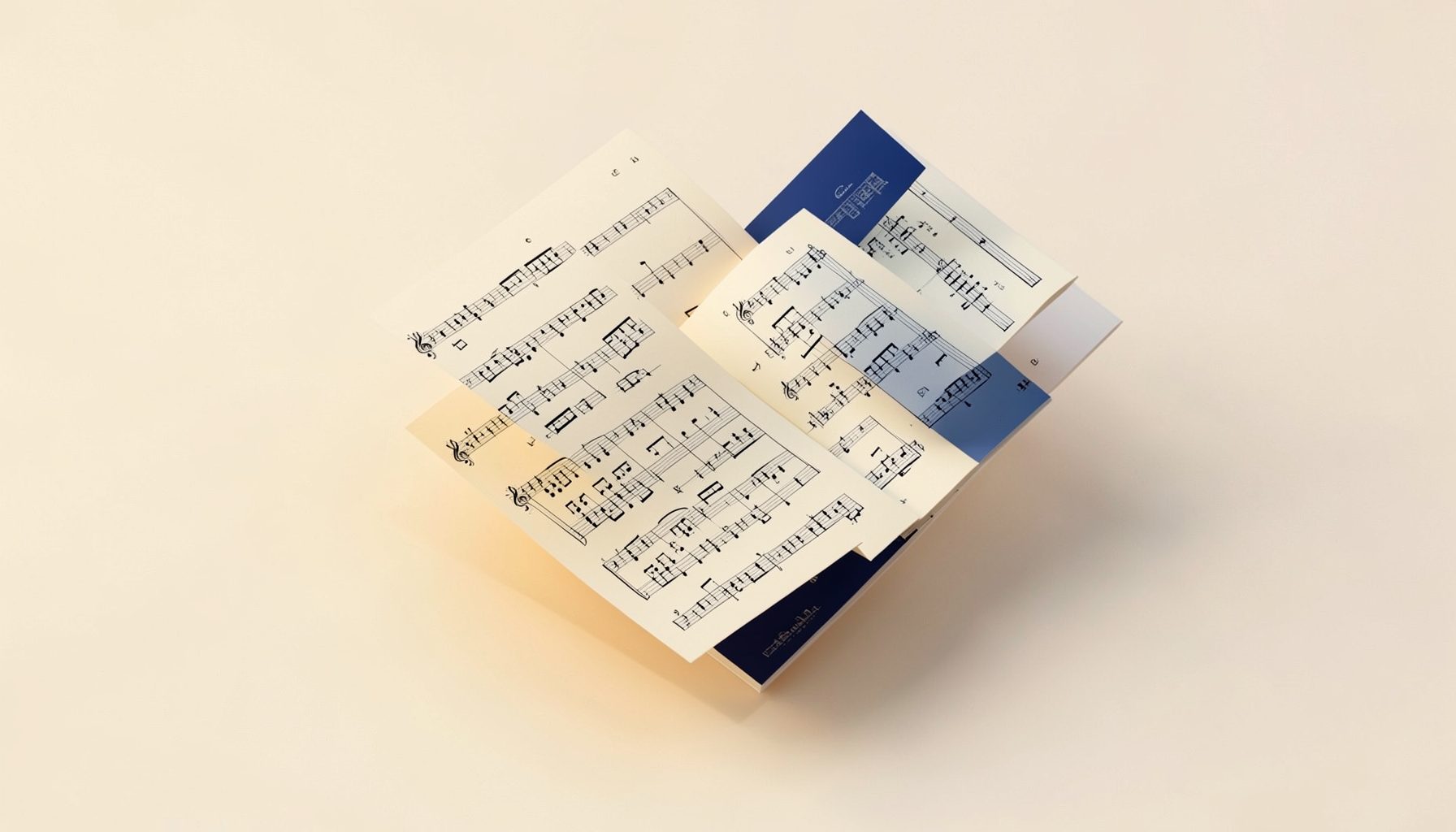
“I Need Thee Every Hour” remains well suited to musical reinterpretation because its foundation is strong and open. Explore different sheet music, recordings, and devotional performances, then bring one arrangement into personal practice, family worship, or a Latter-day Saint music program where its message can be heard anew.