

The Best LDS Music For A Patriotic Or Heritage Sunday
A patriotic or heritage Sunday can honour a country, a community, and a family story while keeping worship centred on Jesus Christ. For Latter-day Saints, the strongest programme choices connect gratitude for freedom and peace with prayer, service, covenant living, and respect for people from many backgrounds.
In Australia, that balance may include local history, remembrance traditions, migration stories, and the everyday life of Saints meeting in wards from Perth to Brisbane, Melbourne to Sydney. The best LDS music for a patriotic or heritage Sunday should feel warm and recognisable without turning sacrament meeting into a concert or political event.
Choosing A Reverent Patriotic Theme
Begin with a simple spiritual idea rather than a national slogan. Themes such as gratitude for peace, faithful service, the blessings of home, or the responsibility to care for neighbours give singers and speakers a clear direction. They also allow a congregation to acknowledge Australia respectfully while keeping the restored gospel at the centre.
A heritage service can draw on family history, pioneer sacrifice, missionary work, or the experience of Saints who have made Australia their home. This creates room for several generations and cultures. A hymn about Zion, a children’s chorus about love, and a quiet testimony song may communicate more effectively than a large collection of explicitly patriotic numbers.
The tone matters. Patriotic music should encourage humility, gratitude, and service rather than national superiority. A short introduction before a song can explain how its words relate to discipleship, helping the congregation listen for spiritual meaning instead of treating the selection as background entertainment.
Songs That Connect Faith And Nation
A useful repertoire combines traditional hymns, LDS artist recordings, and carefully chosen Australian songs. Music directors can select familiar melodies for congregational participation, then add one or two special musical numbers that provide colour and reflection.
Possible choices include:
- “God Bless Our Prophet Dear” or “I’ll Go Where You Want Me to Go” for commitment and service
- “Love One Another” or “Where Can I Turn for Peace?” for community and compassion
- “The Lord Is My Shepherd” for trust, pastoral care, and quiet confidence
- “My Country, ’Tis of Thee” or a suitable Australian civic song when local policy and worship guidelines allow
Australian congregations might consider a restrained verse of “Advance Australia Fair” in a community gathering, while using hymns and Primary songs during sacrament meeting. “I Am Australian” may suit a cultural evening or heritage celebration more naturally than a formal worship service. Local leaders can decide whether a selection supports the purpose of the meeting and fits Church standards.
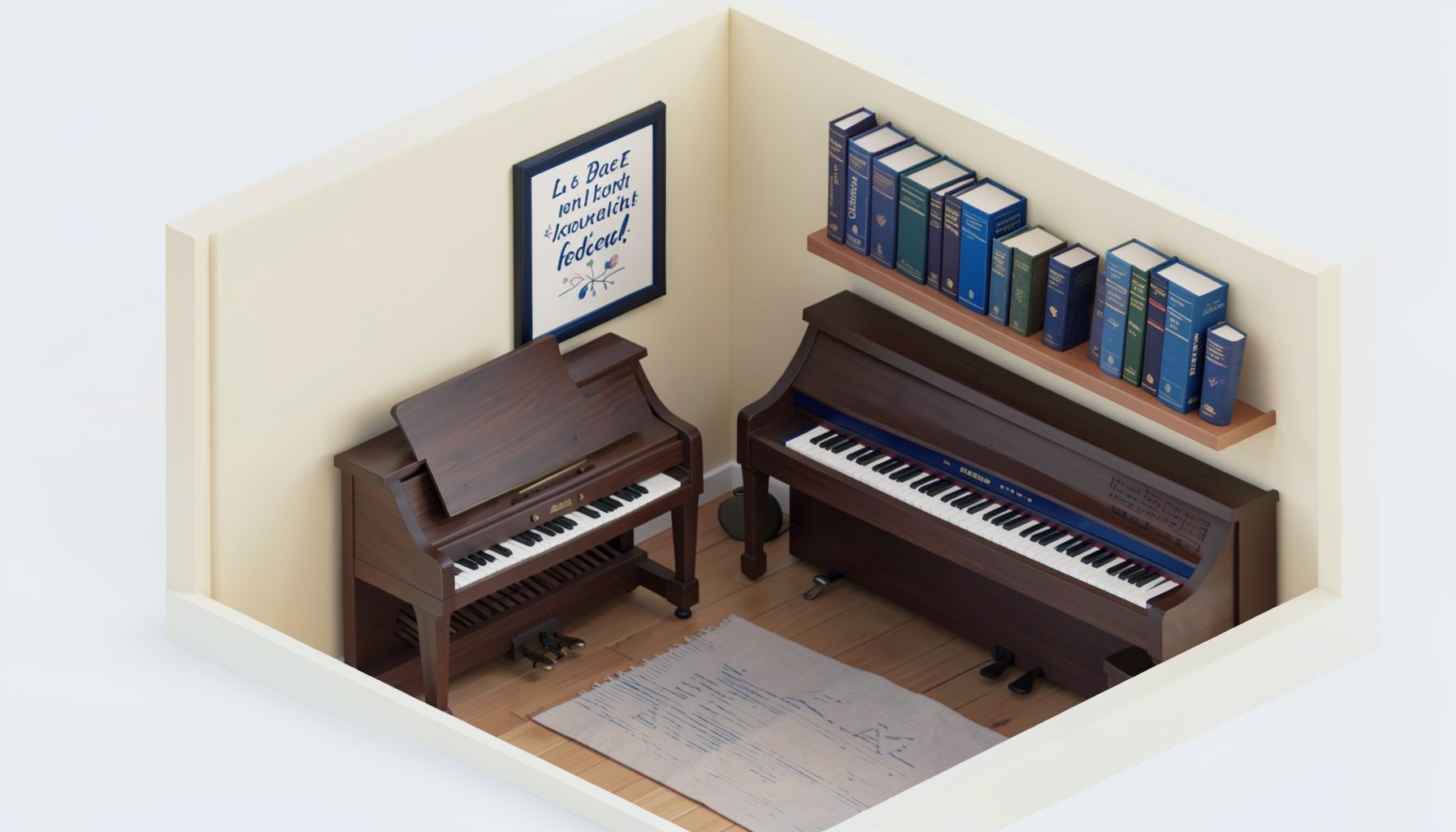
A piano arrangement can make a familiar piece sound fresh without overwhelming the words. Paul Cardall’s piano medley release offers a helpful example of how a reflective instrumental setting can create a prayerful atmosphere before a heritage message or testimony.
Using Australian Heritage Thoughtfully
Australian history gives a heritage Sunday distinctive texture. A ward might acknowledge First Nations peoples with care, reflect on the journeys of immigrant families, or remember ancestors who served in wartime and community organisations. These subjects should be approached accurately and respectfully, with local guidance where cultural protocols apply.
ANZAC Day is a significant national observance, but a Church meeting held near 25 April does not need to reproduce a dawn service. A hymn about peace, a reading about Christian service, and a brief tribute to those who protected others can create an appropriate connection. Avoid presenting military sacrifice as the only form of courage; caregiving, reconciliation, teaching, and quiet charity also belong in the story.
Family history is especially suitable for Latter-day Saint audiences. Invite members to think about a song remembered from a grandparent, a migration journey, a rural upbringing, or a family tradition of community service. In cities such as Adelaide or Canberra, this may reflect public service and multicultural communities; in regional Queensland or Western Australia, it may reflect distance, resilience, and close-knit ward life.
Music research can also broaden the programme. The history of popular styles shows how musical traditions travel and change, as illustrated by these blues-rockabilly crossovers. That kind of listening can help a choir understand that heritage is living and shared, rather than frozen in one decade.
Building A Balanced Service
A well-paced programme usually needs contrast. Place a confident congregational hymn near the beginning, a children’s or youth item in the middle, and a reflective solo or choir number before the closing testimony. Keep spoken explanations brief so the service remains worshipful and the music has room to breathe.
A possible sequence might include:
- Opening hymn focused on gratitude, prayer, or divine guidance
- Youth choir selection about choosing faith and serving others
- Short heritage reading or family-history reflection
- Congregational hymn about peace, home, or love of neighbour
- Closing musical number that points clearly to Christ
The order can be adapted for a ward’s circumstances. A small Australian branch may use a guitar, keyboard, or unaccompanied voices, while a larger Melbourne or Sydney ward may have a choir, strings, or several pianists. Strong interpretation and sincere participation matter more than an elaborate arrangement.
The service should also leave room for silence. A brief instrumental introduction, a pause after a remembrance reading, or a quiet final verse can help worshippers reflect. Excessive volume, rapid transitions, and too many solo items may turn a meaningful heritage observance into a performance schedule.
Music For Different Generations
Children often respond to clear melodies and direct language, while teenagers may connect with contemporary LDS recordings, acoustic arrangements, or music that addresses identity and service. Older members may value traditional hymns associated with missions, family worship, or important moments in Church life. A thoughtful programme gives each group a point of connection.
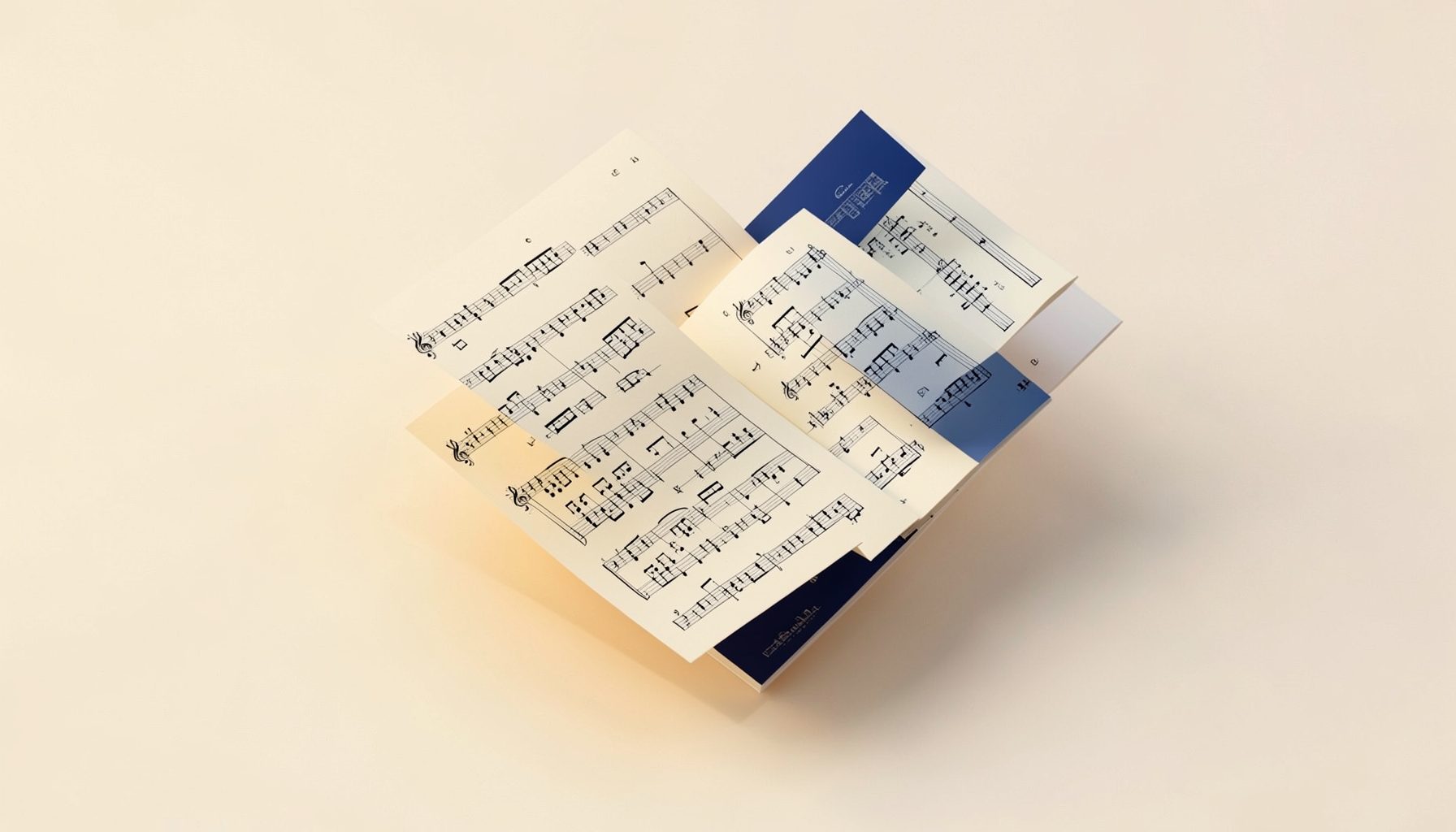
The former Your LDS Music Store catalog documented a broad range of CDs, MP3 albums, DVDs, hymn arrangements, piano sheet music, EFY releases, and LDS artists. Its archived new music listings can be useful for discovering the kind of repertoire once available to families and ward music leaders, even though the store itself no longer operates.
Digital listening has changed how Australians prepare music. Members may stream a rehearsal track on a phone, share a PDF through a ward channel, or practise with headphones during a commute. Those habits are convenient, but a music leader should check that files are reliable and that performers have enough rehearsal time. Printed music remains valuable when internet access is uncertain or several people need the same arrangement.
Inviting several age groups to participate can be especially effective. A child might read a short family-history passage, youth might sing harmony, and adults might provide piano or vocal support. This turns heritage into a living act of fellowship rather than a display of the past.
Practical Rights And Presentation
Copyright responsibilities apply even to religious events. In Australia, the Copyright Act 1968 governs protected music, and licences may be needed when a ward copies sheet music, projects lyrics, records a performance, or distributes audio online. APRA AMCOS arrangements can be relevant for public performance, while Church or publisher permissions may apply to particular hymns and recordings. Leaders should check current guidance instead of assuming that a song is free to reproduce.
A recording played during a local activity also deserves thought. Music can shape the atmosphere at a heritage supper or ward social, but it should support conversation and community rather than dominate it. An article about music and entertainment provides a broader reminder that context influences how audiences receive sound, especially in Australian settings where gambling advertising and venue practices are regulated.
Presentation should remain accessible. Provide lyrics in a readable format, announce unfamiliar titles, and use microphones carefully in large halls. If a congregation includes people with hearing loss, clear sightlines and controlled volume can make participation easier. For multilingual wards, a translated introduction or printed explanation may help members understand why a particular song was selected.
The finest heritage Sunday programme leaves people more grateful, more united, and more willing to serve. Its music can honour Australia, remember family and community, and acknowledge sacrifice, while every major musical choice points back to faith in Jesus Christ and hope in the gospel.