

Best LDS music for a Sunday School class sing-along
Sunday School classes across Brisbane, Perth and the suburbs of Melbourne often open with a familiar chord on the piano and a songbook passed hand to hand. The tradition of a class sing-along brings together adults, teenagers and visiting children in a way that feels distinctly Australian: relaxed, communal and quietly heartfelt.
Whether the meetinghouse sits in Parramatta, Logan or the Adelaide Hills, the musical choices shape the room's energy. A well-picked song can settle restless eight-year-olds, give quiet teenagers a reason to join in, and remind long-time members why they first walked through the chapel doors.
Picking the right LDS music for these moments matters more than the average teacher might think. The repertoire should fit the lesson, suit the musicians available, and stay singable without weeks of rehearsal. The suggestions below are drawn from hymnals, primary songbooks, and instrumental collections that have served Aussie congregations well.
Choosing repertoire for all ages
The first job of any class chorister is to read the room. A mixed-age Sunday School in suburban Sydney might have toddlers on laps, Returned Missionaries fresh from the field, and a couple of retirees who learned every verse of every hymn in the 1970s. The songs chosen need to land somewhere in that wide middle.
In practice, this means alternating faster, bouncy numbers with slower, reflective ones. "I Am a Child of God" is a reliable anchor because most age groups already know at least the chorus. Pairing it with a lesser-known hymn, something like "Let the Holy Spirit Guide", keeps the more experienced singers engaged and teaches the newer ones a verse they will remember next week.
It also helps to think seasonally. Australian summers bring Christmas services in December, and a sing-along that leans into a song like "Samuel Tells of the Baby Jesus" can lift a warm chapel beautifully. Winter, around July, is a natural moment for testimony-building songs such as "Testimony" or "I Know My Father Lives".
Hymns that travel well across the Pacific
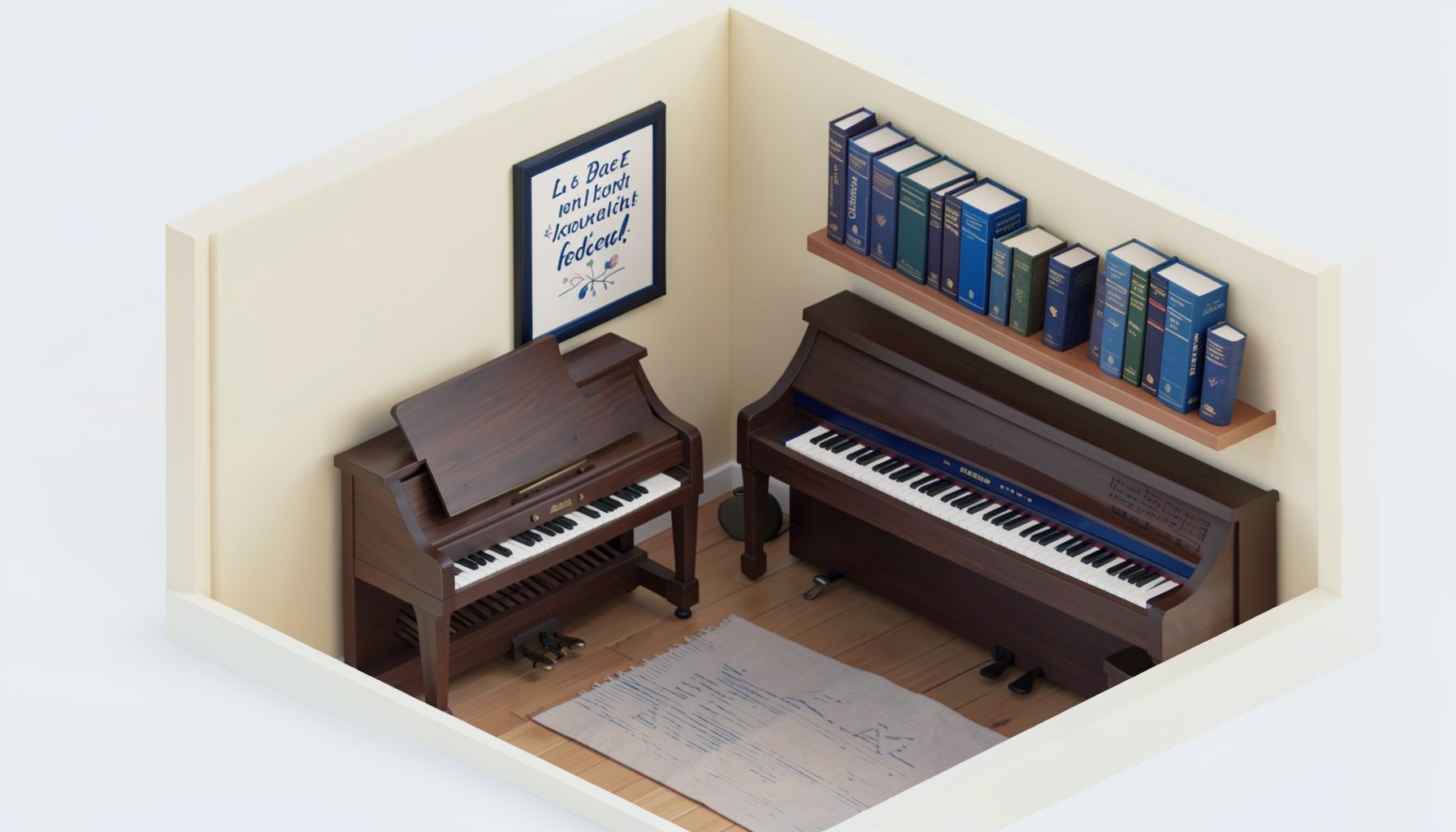
Some hymns feel almost written for the Australian congregation. The four-part harmonies of the LDS hymnbook lend themselves to chapel pianos that have seen decades of use, and the melodies are forgiving when voices are tired or out of tune.
"Where Can I Turn for Peace?" is one such staple. The opening phrase is short, the message is universal, and it works well as a slow opener after a long working week. Another favourite in Aussie chapels is "Come, Let Us Anew", which many returned missionaries from the Pacific Islands know by heart and can lead with little preparation.
A practical tip from teachers in the Melbourne area: print the words on a single A4 sheet with a clear font. Reading glasses get left at home more often than people admit, and a clean sheet saves the chorister from repeating verses. Rotating the song-leader role among class members also spreads the musical load and gives quieter members a gentle reason to step forward.
Children's classics for younger singers
Primary songs are not just for Primary. Many of the melodies taught in the Children's Songbook translate beautifully into a Sunday School setting, especially when the class includes siblings or visiting children. Teachers who only use the hymnbook miss a large body of music that was designed to be learned quickly and sung often.
"Jesus Wants Me for a Sunbeam" is a perennial favourite and travels well across Australian kindergartens and chapels alike. "My Heavenly Father Loves Me" pairs nicely with a nature walk lesson, and the imagery of bushland, galahs and wattle sits comfortably alongside the song's message. For something a little more energetic, "Popcorn Popping" gets even the most reluctant singers moving.
Teachers looking for a fuller list of options that work in a Primary-style presentation will find a useful round-up of songs for younger voices at the companion site. The article collects songs grouped by theme, which saves preparation time on busy weeks.
Instrumental backing for pianists and teachers
Not every Sunday School has a confident pianist on hand. Many smaller branches, particularly in regional Queensland or the Northern Territory, rely on recordings or solo instruments instead of a full keyboard. This is where instrumental LDS albums earn their place in the supply cupboard.
A good instrumental collection lets the chorister focus on the lyrics while a flute, violin or string ensemble carries the tune underneath. In our experience, even a slightly hesitant pianist can lead a confident sing-along when there is a backing track to follow. Solo instrumental versions of well-known hymns also work for prelude music as class members arrive, helping the room settle before the lesson begins.
Teachers who would like a short-list of recordings to keep on hand will appreciate the instrumental round-up featured in the archive. Several of those albums include medleys, which are useful when running short on time but wanting more than a single song.
Building a sing-along session that lasts
A sing-along does not need to be long to be meaningful. Fifteen well-led minutes often do more for the spirit of the class than a full thirty minutes of half-hearted singing. The shape of the session matters: a slow opener, a couple of mid-tempo verses, and a closing song that points back to the lesson.
It helps to involve the class in choices. A small whiteboard listing three or four songs and letting members pick one builds ownership, particularly among teenagers who might otherwise drift. Some Australian teachers have started using a simple "song of the week" jar, with slips of paper suggesting hymns and primary songs written by class members during the previous lesson.
Music leaders who travel between wards, or who fill in at the last minute, benefit from keeping a personal playlist on a phone or tablet. Pairing it with a portable Bluetooth speaker means the chapel does not need to rely on a chapel piano that may be out of tune. The trick is to test the volume before the meeting starts so the words still lead and the music supports rather than overwhelms.
Comparing formats for a class sing-along
| Format | Best for | Strengths | Limits |
|---|---|---|---|
| Hymnbook only | Adult classes with strong readers | No equipment needed; familiar harmonies | Can feel slow; hard for non-readers |
| Primary songs | Mixed-age and visiting children | Easy to learn; joyful tone | Less suited to adult-only classes |
| Instrumental backing | Classes without a pianist | Professional sound; flexible tempo | Needs a speaker; lyrics still required |
| A cappella | Small classes or opening prayers | No equipment; intimate feel | Harder to hold tune across a group |
| Solo instrument | Single musician available | Warm, organic tone | Limited if the player is unwell |
Picking songs that work in Australian wards and branches
- Keep at least one song that every age group already knows, such as "I Am a Child of God".
- Rotate song-leader roles so musical confidence spreads through the class.
- Pair each new hymn with a familiar one to ease nervous singers in.
- Print lyrics in a clear, large font on plain A4 paper.
- Maintain a small library of instrumental recordings for weeks without a pianist.
- Match the song's tempo to the lesson's mood, slow for reflection, bright for celebration.
- Close with a song that echoes the scripture or theme just taught.