

The Australian guide to singing hymns with guitar
Singing hymns with a guitar can feel deceptively simple. A few open chords may carry a familiar tune, but reliable accompaniment depends on steady chords, a clear beat, careful breathing and enough restraint to leave space for the words. The aim is service, not display.
Preparation begins before you pick up the instrument. Choose a key and tempo that suit the singers, mark the song’s form, identify difficult changes and decide whether the guitar will lead the melody or sit beneath the congregation. Those choices prevent most rehearsal problems.
Hymn repertoire varies between wards and homes. Some singers know the LDS hymnals by heart, while others need a printed lyric sheet, a projected verse or a cue from the leader. Always check the wording and verse order in the book being used, particularly when leading children or guests.
This guide is shaped for Australian conditions: suburban meetinghouses, regional halls, modest stages and busy volunteer teams. It also recognises the local preference for practical gear, informal rehearsal language and music that can work acoustically around a piano as well as through a small PA.
Choose a guitar and a practical setup
An acoustic guitar is the usual starting point because it is portable and needs little setup. Six-string steel-string models handle most congregational repertoire; nylon-string guitars can sound softer but may struggle with a large room. An electric guitar is useful with a good amplifier or direct injection box, though it is rarely essential for a Sunday gathering.
A typical Australian suburban meetinghouse has a multipurpose room, polished floor and compact PA, so volume and feedback need attention more than tone. Choose a guitar that can sit above a piano without forcing everyone to strain. Before buying through independent music retailers, compare neck comfort, action, pickup type and the after-sales support available in your city or region.
Learn the chords and protect the melody
Most beginner hymn charts use six common open or barre chords, often labelled G, C, D, Em, Am and F. Learn the shape in the key you will actually sing; fingering a familiar G chord then transposing mentally slows rehearsal. A capo can place familiar shapes in a higher key, but check that the real sounding key still suits the vocal range.
Keep the melody audible in the upper strings of the guitar or in your voice if you are also singing. Practice slowly with a metronome, accent the lyric’s stressed words and avoid squeezing every chord until it sounds like a separate note. Record one verse to hear whether the rhythm supports the words. Australians often say a quick “have a go” is enough, but a careful rehearsal saves nerves later.
Manage tempo, transitions and musical form
Set the tempo from the hymn’s natural pulse rather than from the fastest available setting. Many LDS hymns include an upbeat pickup, dotted rhythms, repeated refrains, a fermata or a canon. Mark these in the chart with arrows, breath marks and repeat signs so a glance tells the congregation what comes next.
Plan transitions before the service. One hymn may end quietly for prayer while another needs a firm final cadence. Bring the guitar up during the spoken transition, count two bars silently if needed and enter with the organist or pianist. In a room with a short acoustic decay, let each chord ring cleanly instead of muting it and creating gaps.
Lead without drowning out the congregation
Accompaniment should make it easier for every singer to join in. Use steady, lightly brushed strumming, emphasise the first beat of each phrase and avoid ornamental fills under words that need clarity. If the hymn has a descant or canon, cue it from a clear nod rather than a loud verbal prompt.
Watch the room, not just the chart. Ease off when the choir or a soloist takes the melody, and add energy when the final verse begins. Your body language is part of the performance: a relaxed stance and eye contact reassure nervous singers. A quiet “can you run that again?” during practice is normal Australian ward life and can settle the group without embarrassment.
Create instrumental and family arrangements
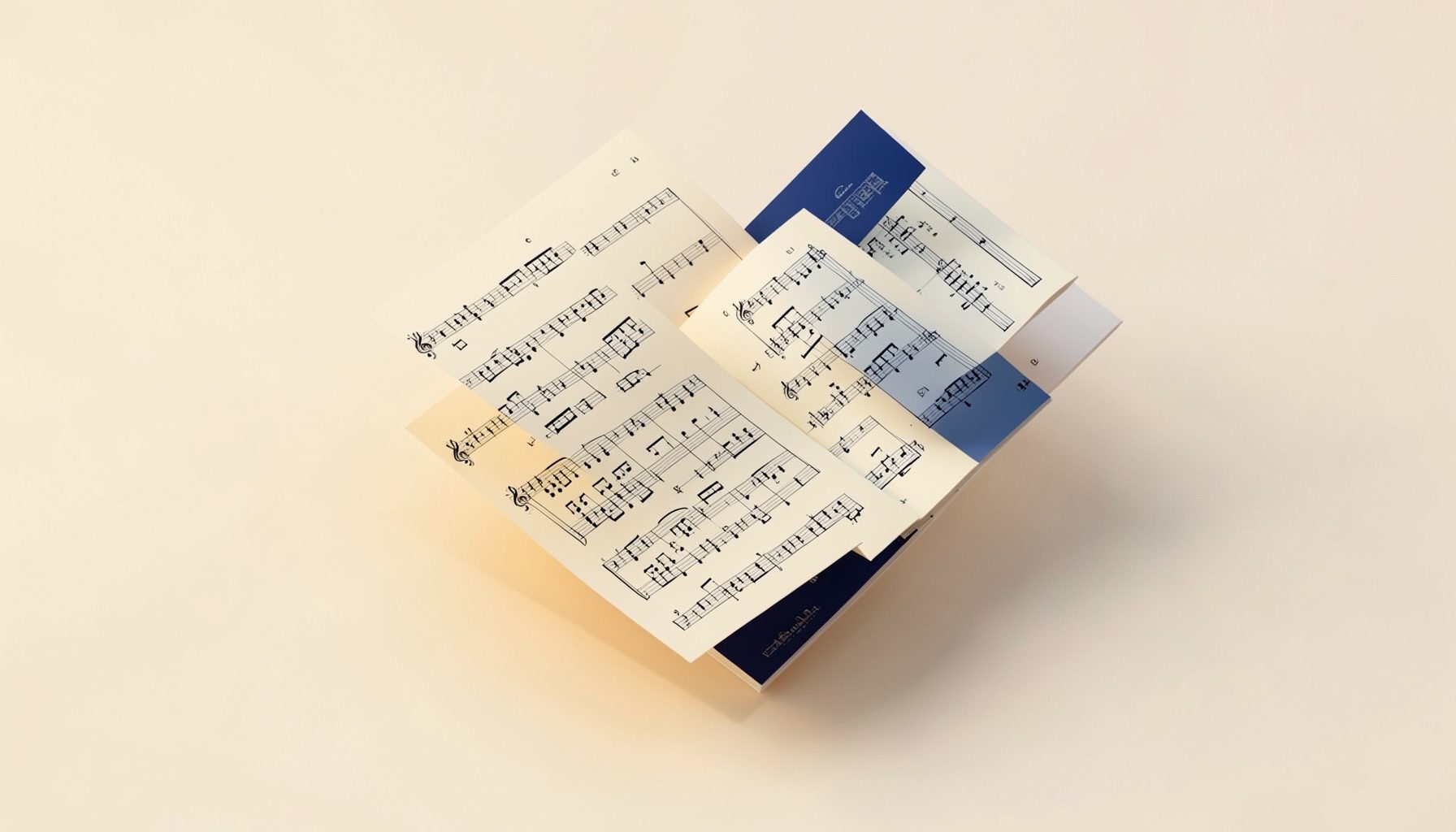
A solo violin arrangement can show how the same principles apply beyond guitar. Keep the violin’s melodic line intact, reshape notes that fall awkwardly under the bow and place harmony at points where the singer can breathe. This solo violin arrangement offers a useful model for transferring a congregational hymn into an instrumental setting.
For home ensembles, a second guitar, ukulele or piano can take simple harmony while one person leads the melody. Divide the song into clear sections, set a comfortable tempo and mark the point where the congregation joins. If children are singing, reduce sudden key changes and give them a repeated chorus or familiar refrain to anchor them.
Fit the music into Australian church life
Large Australian cities such as Sydney, Melbourne, Brisbane, Adelaide and Perth offer many community gospel concerts, but smaller suburban chapels can provide an equally attentive audience. Choose music suited to the room, introduce each piece plainly and let the lyrics carry the event. A short spoken explanation of the tune’s history can connect a nineteenth-century hymn with a contemporary Australian worship set.
Regional musicians face different constraints. At a Tamworth-area bluegrass festival, a Victorian country hall or a small Queensland community centre, an acoustic guitar may need to compete with a full band rather than a piano. Practise with the loudest likely ensemble, learn a capoed version for higher harmony and pack a spare set of strings, capo and tuner.
Repertoire research is easier when credible recordings and arranging notes sit in one place. The former LDS Music Store has ceased trading, but its archived music blog preserves artist spotlights, release information and concert coverage from the time when it served the LDS music market. Treat it as historical reference, then confirm current availability with specialist sellers.
Buy music, gear and trusted resources
Build a source folder with authorised hymnals, lyric sheets, chord charts and audio from the congregation’s approved repertoire. Check verse numbering and musical notation before printing, and avoid altering sacred words merely to fit a guitar range. For instrumental versions, write or mark an intro, tempo, key and ending so another musician can pick up the chart without a rehearsal.
Shopping for a guitar in Australia usually means choosing between a specialist store, a general music retailer or an online marketplace. Displayed prices normally include GST, and Australian Consumer Law gives consumers protections against faulty goods. Test the instrument if possible, inspect frets and action, and ask about local repair support. A secondhand guitar can be excellent value if the neck and body have been checked.
The same caution applies to adjacent accessories bought from unfamiliar sellers: compare photographs, branding, packaging and promised certification. A counterfeit buying guide illustrates how those checks work for another product category, while guitars need their own serial number, hardware and condition checks. Keep receipts and warranty details for every significant purchase.
Record a full rehearsal from the congregation’s viewpoint and listen for balance, entrances and cuts. Choose one change to improve next time rather than altering everything at once. With regular practice, a well-chosen guitar and a service-first approach, hymn leading becomes calmer, clearer and more musically convincing.