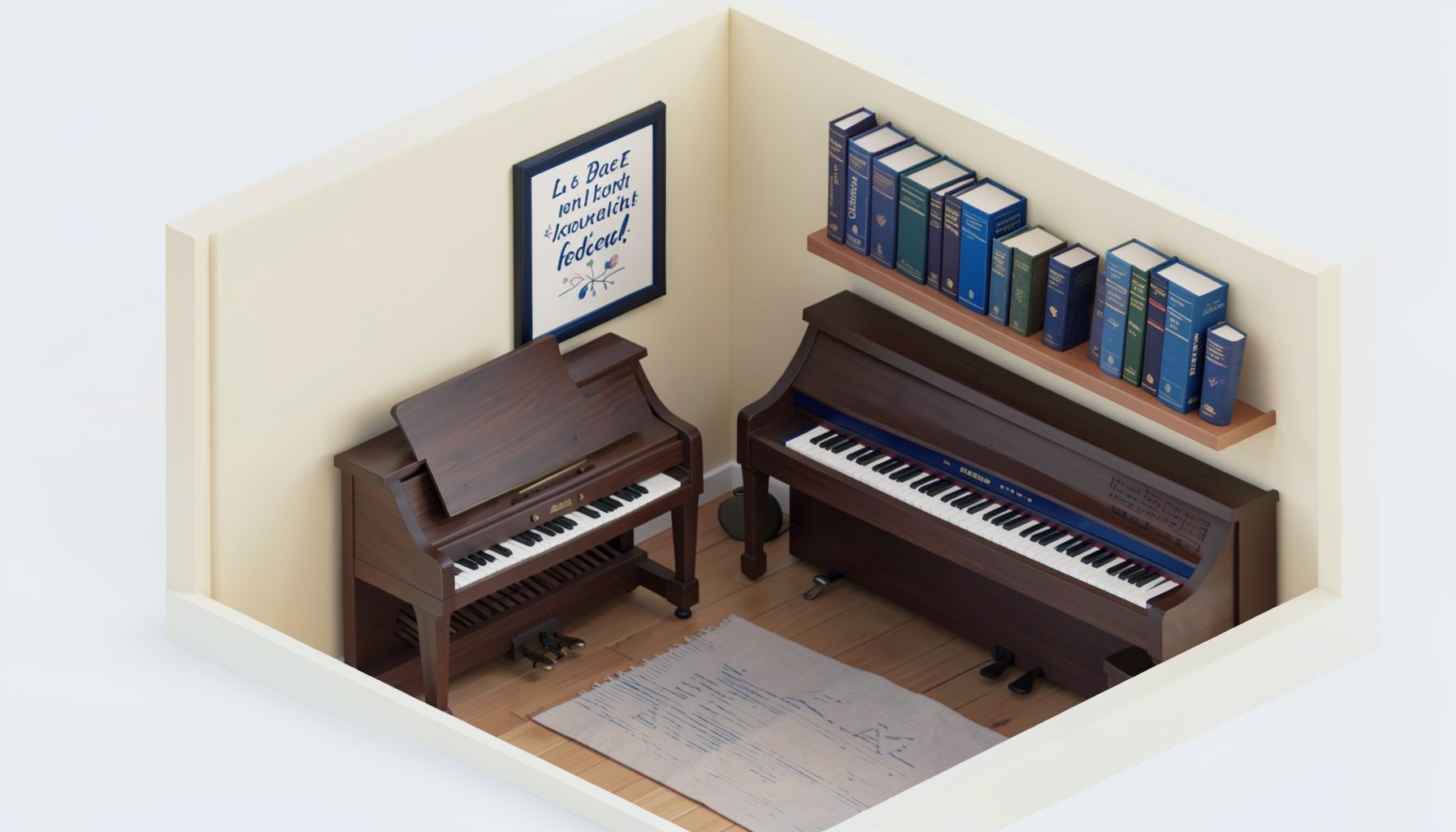



The Future of LDS Music in a Digital Age
Latter-day Saint music has always connected personal devotion with shared cultural memory. Hymns, youth albums, choir recordings, piano arrangements, and contemporary faith-based songs have traveled through homes, congregations, concerts, and family gatherings. Digital technology is changing how those sounds are discovered, purchased, performed, and preserved.
The shift from physical catalogs to streaming platforms and downloadable media has expanded access while creating new questions. Artists need sustainable ways to earn income, listeners want convenient and trustworthy discovery, and communities still value music that feels personal rather than disposable. The next stage of LDS music will depend on balancing technological reach with spiritual depth and artistic independence.
The former Your LDS Music Store represents an important part of that history. Its catalog brought together CDs, MP3 albums, DVDs, sheet music, hymn arrangements, and EFY releases in one focused destination. Although the store is no longer operating, its content shows how a specialized online music marketplace can serve a distinct faith community.
From Physical Collections To Digital Libraries
Digital distribution has made LDS music easier to carry and access. A listener can keep worship albums, instrumental recordings, choir performances, and youth music on a phone instead of storing shelves of discs. Downloadable files also help families in regions where physical shipping is expensive or unreliable.
Streaming will likely become the primary way many people encounter new Latter-day Saint artists. Curated playlists can introduce listeners to sacred vocal music, modern devotional songs, classical arrangements, and recordings from earlier decades. Search tools can connect a person looking for a specific hymn setting with a much broader collection of faith-centered music.
Physical products will still have value. Printed songbooks, signed albums, commemorative recordings, and high-quality vinyl or compact discs can provide a sense of permanence that a subscription library does not. A thoughtful digital music collection may therefore include both cloud-based listening and selected physical works worth preserving.
Discovery Through Streaming And Social Media
The future of LDS music discovery will be shaped by recommendation systems. Platforms can identify listening patterns and suggest artists with similar arrangements, vocal styles, or themes. This may help lesser-known performers reach audiences beyond their local congregations and regional concert circuits.
Short-form video will also influence which songs gain attention. A powerful chorus, choir clip, piano performance, or behind-the-scenes recording can reach thousands of viewers quickly. Artists who share rehearsal moments, songwriting stories, and live performances can create a stronger relationship with listeners than those who release audio without context.
That visibility brings a risk: meaningful music can be judged by immediate engagement rather than lasting value. A devotional song may require repeated listening before its message becomes significant. Faith-based musicians and publishers will need to use social media for discovery without allowing algorithms to define artistic quality.
Listeners building a personal collection can combine free performances with carefully chosen purchases. A practical music library guide can help families decide when to stream, download, buy sheet music, or invest in a physical album.
Artists, Technology, And Creative Independence
Affordable recording software has lowered the barrier to producing LDS music. A singer, instrumentalist, or small ensemble can record a polished project from a home studio with comparatively modest equipment. Digital mastering, remote collaboration, and online distribution allow artists to work with musicians and audiences across national boundaries.
This accessibility may lead to a more varied sound within Latter-day Saint music. Traditional hymn arrangements can exist beside folk, acoustic, orchestral, electronic, gospel, and contemporary worship styles. Younger artists can draw from global influences while retaining themes of faith, family, service, scripture, and personal revelation.
Artificial intelligence may enter the creative process as a tool for arrangement ideas, audio cleanup, translation, and accessibility. It should support human musicians rather than replace the emotional interpretation that gives sacred music its character. Listeners often respond to sincerity, vulnerability, and communal expression—qualities that technology can assist but cannot manufacture on its own.
| Digital development | Opportunity for LDS music | Issue to manage |
|---|---|---|
| Streaming services | Wider access and personalized discovery | Low revenue per stream |
| Social video | Fast exposure for artists and songs | Attention can favor novelty |
| Home recording | Affordable independent production | Uneven audio quality |
| Digital sheet music | Immediate access for performers | Licensing and file security |
| Virtual concerts | Participation across distances | Reduced sense of shared presence |
| AI-assisted tools | Translation and production support | Questions about authorship and identity |
Copyright, Licensing, And Responsible Sharing
Digital files are easy to copy, which makes copyright education essential. A congregation may want to project lyrics, arrange a hymn, post a performance, or distribute a recording, but each use can involve different permissions. Clear licensing practices protect composers, arrangers, performers, publishers, and organizations.
The distinction between personal listening and public performance is especially important. Buying an album does not automatically grant permission to upload its tracks, synchronize them with video, or distribute copies to a group. Anyone producing concerts, broadcasts, podcasts, or online worship content should review copyright guidance before publishing or performing material.
Publishers may respond by offering simpler digital licenses and clearer terms for congregations, schools, camps, and nonprofit events. Accessible permission systems could encourage more legal use of LDS music while reducing confusion for volunteers who do not work with copyright every day.
Fair compensation also matters for the future of the genre. When listeners purchase downloads, subscribe through legitimate platforms, buy sheet music, or attend ticketed performances, they help artists continue writing and recording. Ethical access is part of sustaining a healthy musical ecosystem.
Community In A Connected World
Digital music can bring geographically scattered Latter-day Saint communities closer together. A choir in one country can share an arrangement with a congregation in another, while virtual concerts can include performers and listeners who could never attend the same venue. Translated lyrics and captions can make recordings more accessible across languages and abilities.
Online communities can also preserve musical heritage. Older albums, regional recordings, concert programs, and artist interviews may otherwise disappear when stores close or formats become obsolete. Digitization projects, church archives, family collections, and responsible fan communities can help document the development of Latter-day Saint music.
Still, online participation does not fully replace singing together in person. Congregational worship, youth events, firesides, and concerts create a shared physical experience that a private playlist cannot reproduce. The strongest digital strategy will extend community life rather than isolate listeners from it.
Building A Meaningful Listening Culture
Technology gives listeners more choices, but abundance can make intentional selection difficult. A meaningful LDS music collection might include foundational hymns, instrumental recordings for reflection, choral works, youth releases, contemporary artists, and music connected to family history. Organizing those works by mood, season, performer, or spiritual purpose can make listening more deliberate.
Families and congregations can encourage active engagement by learning arrangements together, discussing lyrics, supporting local performers, and attending live events. Music becomes more valuable when it is practiced and shared rather than treated as background sound.
Useful habits for the digital era include:
- Purchase or stream music through legitimate channels that support creators.
- Save important albums in reliable formats instead of depending on one platform.
- Explore independent LDS artists alongside established names and historic recordings.
- Use licensed sheet music for worship services, concerts, broadcasts, and online videos.
- Preserve meaningful physical albums, programs, and recordings as part of family history.
The most durable future will combine convenience with care. Digital platforms can make Latter-day Saint music more visible, but listeners, artists, publishers, and communities will determine whether that visibility leads to deeper participation.
LDS music is entering a period of experimentation shaped by streaming, independent production, virtual connection, and searchable archives. Its identity will continue to evolve as new generations write songs, reinterpret hymns, and discover recordings that earlier listeners kept on shelves. Supporting responsible platforms, creators, and preservation efforts today will help ensure that faith-centered music remains available, diverse, and meaningful tomorrow.
Explore the surviving catalog and recorded stories of LDS music, seek out contemporary artists, and build a collection that brings sacred sound into regular life. The next chapter will be created by the people who listen, perform, preserve, and share it.