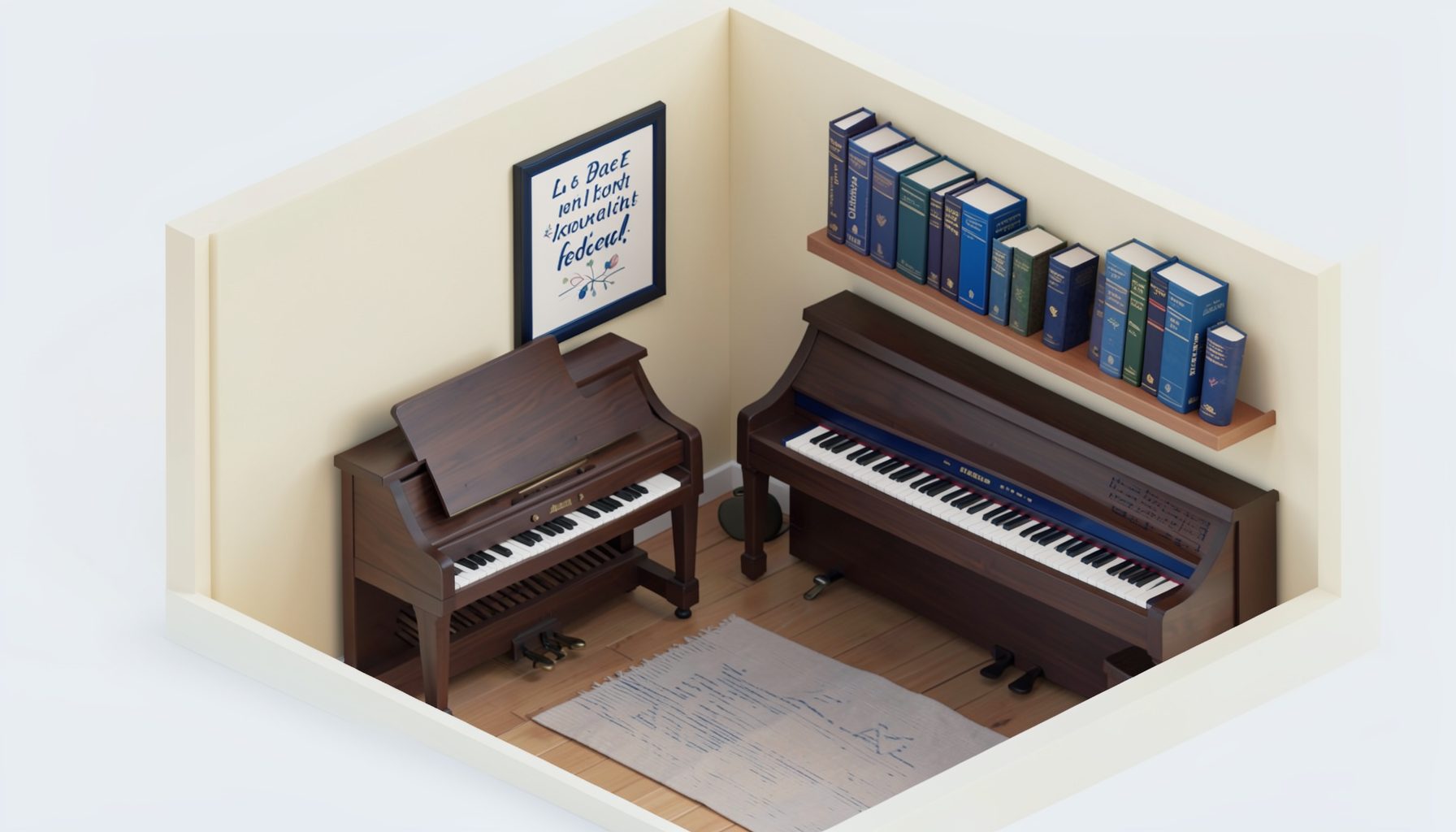



Choir music in LDS worship: then and now
The role of the choir in LDS worship, past and present, is best understood as an evolving partnership between music, testimony and communal participation. Congregations once depended largely on members leading hymns from the floor, with organs, pianos and an expectant congregation supplying the musical centre. Many wards today maintain formal choirs, but the principle remains: music helps a community direct attention toward God and recognise the spiritual worth of those who speak and sing.
A choir may be a trained ensemble in the chapel, a small group of teenagers, or several families sharing one arrangement. Its influence lies less in polish than in shared purpose. Through deliberate entries, soft dynamics and carefully shaped words, singers can clarify a hymn, support a speaker and create room for reflection. A well-led group also gives newer members a place where confidence, friendship and service can develop.
This continuing role has been documented through recordings, songbooks and interviews that trace changes in sound and style alongside changes in Church membership. Your LDS Music Store captured part of that history by collecting sacred music, concert coverage and artist features for an international audience. Its legacy offers a practical way to examine how choral worship has grown while retaining its central devotional function.
Roots in congregational song
Early Latter-day Saint meetings did not depend on a permanent choir. Local leaders and musically confident members selected hymns, while congregational singing carried the music. Nineteenth-century hymnbooks drew on American and British Christian traditions, but singing soon became a defining expression of the new community. Members tested their voices together, learned unfamiliar tunes and used the organ or piano as a practical aid rather than the centre of attention.
As the Church expanded, choirs became useful for special meetings, conferences and journey or holiday programmes. Ward and stake ensembles offered greater variety, including sacred classics, newly commissioned works and songs by Latter-day Saint composers. This development increased musical ambition, yet it did not displace the congregation’s voice. The strongest traditions continued to place meaningful lyrics, doctrinal clarity and collective devotion ahead of display.
The choir within present-day worship
Today’s choir often serves as a bridge between formal worship and personal testimony. At Sabbath meetings, fast and testimony meetings and conferences, a restrained number can frame an occasion without taking control of it. Short sacred selections may open a theme, support a musical transition or close a speaker’s testimony. The musical choices work best when they answer the purpose of the meeting rather than advertise the ensemble.
Preparation is therefore as important as selection. Directors balance vocal blend, diction, dynamics and the needs of listeners, including children, older adults and visitors. An archived youth songwriter interview shows how composers respond to younger members’ search for honest spiritual language. Youth need not merely be assigned songs; they can help choose themes, shape arrangements and learn that sacred music can sound contemporary without becoming shallow.
Australian congregations and local practice
Australian congregations add a distinctive setting to these patterns. Meetinghouses in Sydney, Melbourne, Brisbane, Perth and smaller regional communities often rely on volunteers, borrowed equipment and a mixed pool of languages and cultures. A ward choir may include recently arrived families alongside long-serving members, while bilingual congregations sing English hymns alongside translations. Pronunciation and interpretation become acts of welcome as much as musical challenges.
Community-care programmes, Christmas events and memorial gatherings frequently give local choirs their most visible platform. Australians are accustomed to community singing at schools, camps and cultural festivals, so a concert can feel like both a sacred service and a neighbourhood gathering. Archived guidance on young single adult retreat illustrates how retreat music was tailored for a particular life stage. Listeners outside the Church can also encounter contemporary Christian sounds through 1073 The Party, extending the choir conversation beyond the meetinghouse.
Music formats, artists and digital discovery
Technology has altered how choral music reaches worshippers. The specialist catalogue once moved CDs, DVDs, printed hymn arrangements and piano sheets by post; digital downloads later made EFY, LDS and independent albums easier to obtain. These formats opened access to emerging performers, while also changing how directors compare arrangements. Aaron Edgcomb’s Aaron Edgcomb’s new release provides a useful example of a focused body of work that can inform repertoire, vocal phrasing and thematic programming.
Digital discovery also creates a need for discernment. Broad archive searches can surface unrelated pages such as unrelated Dildos for Free, so a link’s musical relevance and provenance should be checked before material enters a rehearsal folder. Local organisers should also confirm which APRA AMCOS or Church licensing arrangements apply before public performances. Good stewardship protects both artists and the congregation’s right to sing with confidence.
Different choir approaches compared
Choir function changes with scale, repertoire and placement. A large ensemble can project breadth, but a few voices can create intimacy that listeners feel. Instrumental accompaniment may strengthen a hymn or distract from its text; unaccompanied singing can expose weaknesses that rehearsal would have corrected. The choice should reflect the room, the occasion and the message, rather than a house preference for one polished concert sound.
The comparison below is useful for Australian wards deciding how to involve members with different ages, languages and levels of musical experience. It treats each model as a worship tool, not a ranking, because the right approach may change from one Sabbath meeting to the next.
| Choir approach | Primary worship aim | Common repertoire | Typical setting | Main strength | Preparation focus |
|---|---|---|---|---|---|
| Traditional ward choir | Strengthen collective testimony | Hymns, sacred classics and commissioned works | Sacrament or testimony meeting | Unified sound and reverent atmosphere | Careful blend, diction and dynamic control |
| Contemporary youth ensemble | Connect sacred themes with younger listeners | Accessible LDS and Christian-pop arrangements | Youth activity, retreat or fireside | Clear message and energetic participation | Simple keys, strong rhythm and natural delivery |
| Multigenerational choir | Build belonging across age groups | Familiar hymns with fresh musical bridges | Community concert or holiday service | Shared ownership across generations | Flexible parts and meaningful group entries |
| Language or family choir | Make worship more accessible | Translated or bilingual hymns | Relief Society, Primary or neighbourhood event | Respectful inclusion and clear communication | Pronunciation and sensitive adaptation |
| Small unaccompanied group | Create a prayerful focus | Short sacred texts and simple melodies | Fast and testimony meeting | Intimacy and emotional directness | Intonation, breath control and balanced entries |
Choosing music that serves worship
A sustainable programme begins with the meeting’s spiritual needs, not a wish to fill every available performance slot. Each piece should have a reason for being present, and directors should leave room for congregational hymn singing, soloists, instrumentalists and silence. The most effective repertoire is often familiar enough to join yet arranged with enough care to direct attention.
- Match the music to the meeting’s purpose, assigning each choir number a specific role.
- Pair meaningful lyrics with tunes the congregation can recognise and sing.
- Give young singers leadership in repertoire choices, rehearsals and technical preparation.
- Provide parts that accommodate different vocal ranges, languages and experience levels.
- Credit composers and lyricists, and check Australian performance licences before concerts.
- Rehearse transitions, dynamics and pronunciation so the ensemble supports rather than overwhelms.
Used this way, the choir becomes a musical form of testimony: disciplined enough to serve the words of the gospel, flexible enough to reflect a changing congregation and generous enough to welcome every voice into worship.