

The Story of Book of Mormon Stories From Traditional Melody to Classroom Staple
“Book of Mormon Stories” has become one of the most recognisable children’s songs in Latter-day Saint worship and teaching. Its simple lyrics, repeated phrases and memorable tune help young singers connect music with stories from the Book of Mormon, making it a familiar part of Primary meetings, family worship and classroom activities.
The song’s lasting appeal comes from its folk-like musical character. It feels easy to learn by ear, easy to accompany on a piano and easy for a group of children to sing together. Over time, that accessibility carried it from printed Church music collections into recordings, lesson plans and the everyday musical memory of several generations.
A Mid-Century Song With A Traditional Feel
“Book of Mormon Stories” is generally credited to Elizabeth Fetzer Bates, whose work entered the Latter-day Saint children’s music repertoire during the mid-20th century. Rather than relying on a complicated arrangement, the song uses a direct melody and short lyrical phrases. That design gives it the character of a traditional children’s song, even though it belongs to a modern religious publishing tradition.
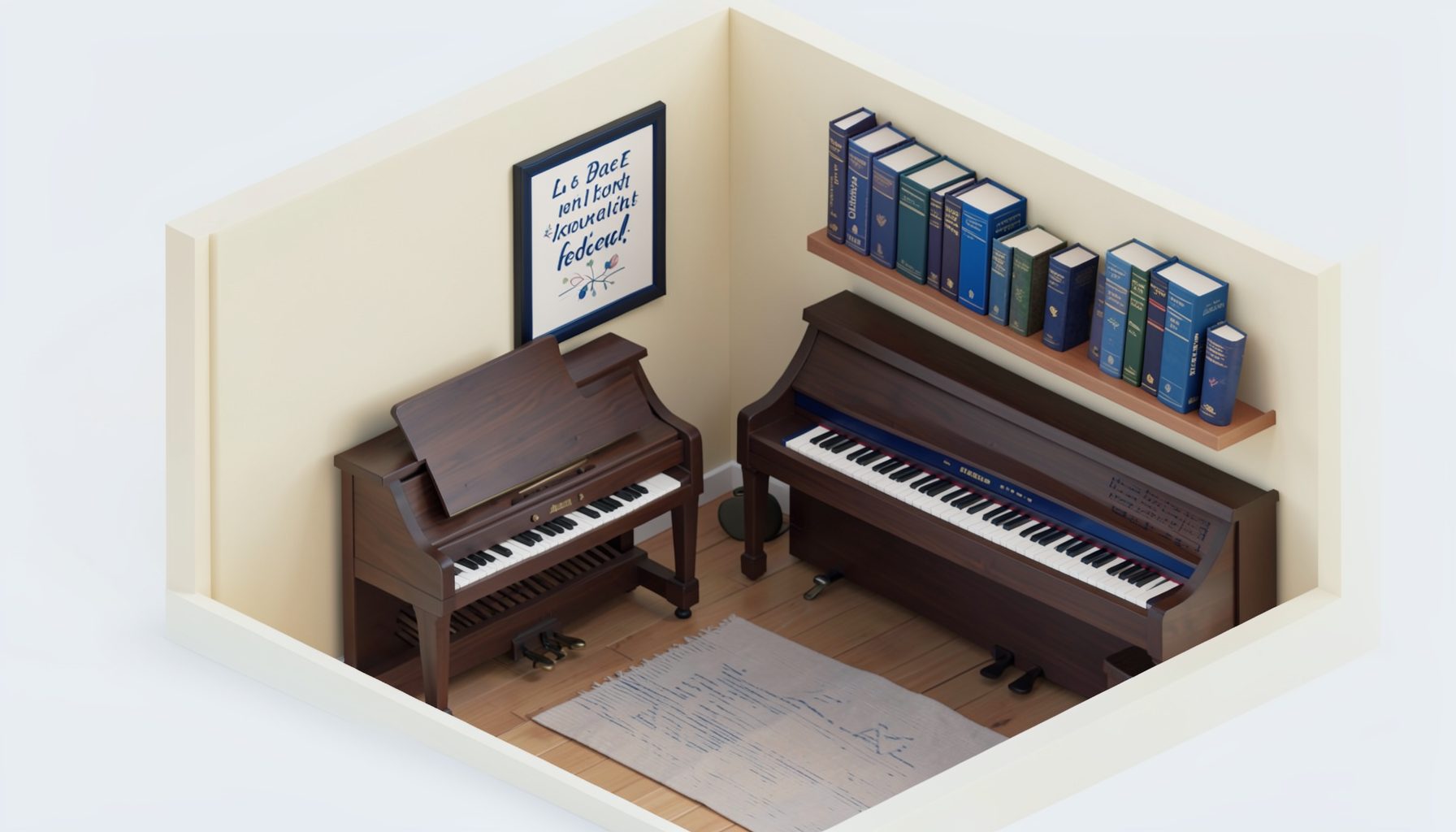
The tune moves in a compact, highly singable range. Children can join in without extensive musical training, while adults can support the melody with basic piano chords. Its repeated rhythmic patterns also make it suitable for unison singing, which is important in a Primary setting where participants may vary widely in age and confidence.
Calling the piece a “traditional melody” is therefore useful as a description of its musical language rather than as a claim that it came from an anonymous folk source. Its strength lies in how naturally it behaves like a song passed from one generation to the next.
Storytelling Through Repetition And Rhythm
The lyrics introduce scriptural history through a sequence of memorable images and names. Children hear about people and events from the Book of Mormon in a format that feels more like a sung story than a formal lesson. The recurring opening phrase provides a dependable structure, allowing learners to anticipate what comes next.
Repetition does much of the educational work. A child who cannot yet read fluently can still remember the chorus and follow the group. The rhythm gives the words forward motion, while the repeated musical patterns leave space for teachers to explain unfamiliar terms, locations and characters.
Features That Make The Song Memorable
- A narrow vocal range that suits young singers
- Repeated phrases that support recall
- A steady rhythm for group participation
- Clear story references that connect music with scripture
- Flexible accompaniment for piano, guitar or recorded backing
This combination explains why the song has survived changes in recording technology and teaching practice. It works in a small family setting, a large Primary room or a children’s choir with only modest rehearsal time.
From Printed Page To Primary Classroom
Church children’s songbooks helped establish “Book of Mormon Stories” as a dependable teaching resource. Once a song appears in a widely used collection, it gains a life beyond individual performances. Teachers can return to it during lessons, families can sing it at home and music leaders can include it in worship programmes without needing a new arrangement each time.
Its classroom role also comes from its balance between movement and message. Children may clap, march, use simple visual aids or sing different sections in response to a leader. These activities turn a historical narrative into a participatory experience rather than a passive listening exercise.
In Australia, the song can be heard in congregations from Sydney and Melbourne to Brisbane, Perth and smaller regional branches. Long travel distances can make shared, familiar repertoire especially valuable: a child visiting another ward may recognise the melody even when the local music leader or accompaniment style is different.
An Australian Lens On Congregational Singing
Australian Latter-day Saint families often fit church music around busy weekly routines, school commitments and Sunday travel. In suburban areas, Primary children may sing with a piano in a dedicated meetinghouse room; in regional communities, a smaller group may rely on a single accompanist or a prepared recording. The song’s uncomplicated structure adapts well to both circumstances.
The local music market has changed considerably. CDs once played an important role in family collections, while MP3 downloads, streaming services and digital songbooks now shape how listeners discover religious music. Australian buyers also encounter GST-inclusive pricing and consumer protections under the Australian Consumer Law, practical details that affect the purchase of physical recordings and printed materials.
Copyright remains relevant when a congregation reproduces lyrics, distributes recordings or projects music on a screen. The Copyright Act 1968 governs use in Australia, and licensing arrangements may apply depending on the material and setting. A familiar song is not automatically free to copy in every format, so official Church resources and authorised editions remain the safest foundation for classroom use.
Recordings, Arrangements And Music Discovery
A song with such a strong communal identity naturally invites reinterpretation. Children’s choirs may perform it with bright piano accompaniment, while solo artists can slow the tempo or add instrumental layers. Some versions preserve the plain classroom quality; others place the melody within a broader collection of devotional or family music.
Older catalogues are valuable records of how this repertoire circulated. The former Your LDS Music Store documented CDs, MP3 albums, DVDs, songbooks and piano arrangements connected with Latter-day Saint music. Although the retail operation has ceased, its archived presence helps show how families once browsed for recordings alongside artist features and release news; the LDS music catalogue remains a useful reference point for that earlier online music culture.
Collectors looking for comparable religious and independent releases may also encounter specialist labels and distributors. A site such as On the Hill Records illustrates the wider ecosystem in which faith-based music can be produced, promoted and preserved beyond a single institutional catalogue.
Why The Song Continues To Be Taught
The durability of “Book of Mormon Stories” does not depend on musical complexity. Its purpose is communication: helping children remember a religious narrative through voice, rhythm and shared participation. The melody creates a stable frame, while the words give teachers an opening to discuss scripture, courage, obedience, service and the consequences of personal choices.
It also occupies a distinctive place between worship song and educational tool. A hymn may invite contemplation, while a classroom song often needs clear action and quick recall. This piece performs both functions. It can support a lesson, fill a transition between activities or become part of a family’s regular Sunday routine.
Ways Families And Teachers Have Kept It In Use
- Singing one verse before discussing a related scripture passage
- Pairing lyrics with maps, pictures or simple timeline cards
- Using hand motions to help younger children remember each section
- Teaching the melody first and adding the words gradually
- Including it in home evenings, Primary programmes or children’s concerts
That flexibility helps explain its place as a classroom staple. It does not require a particular generation, recording or performance style to work. The song remains effective because children can enter it quickly, adults can guide it easily and the story stays at the centre.
A Small Song With A Long Musical Life
The history of “Book of Mormon Stories” reflects the way religious music travels: from composer to songbook, from songbook to classroom, and from classroom into family memory. Its traditional-sounding melody gives it an air of familiarity, while its scriptural subject gives each performance a clear purpose.
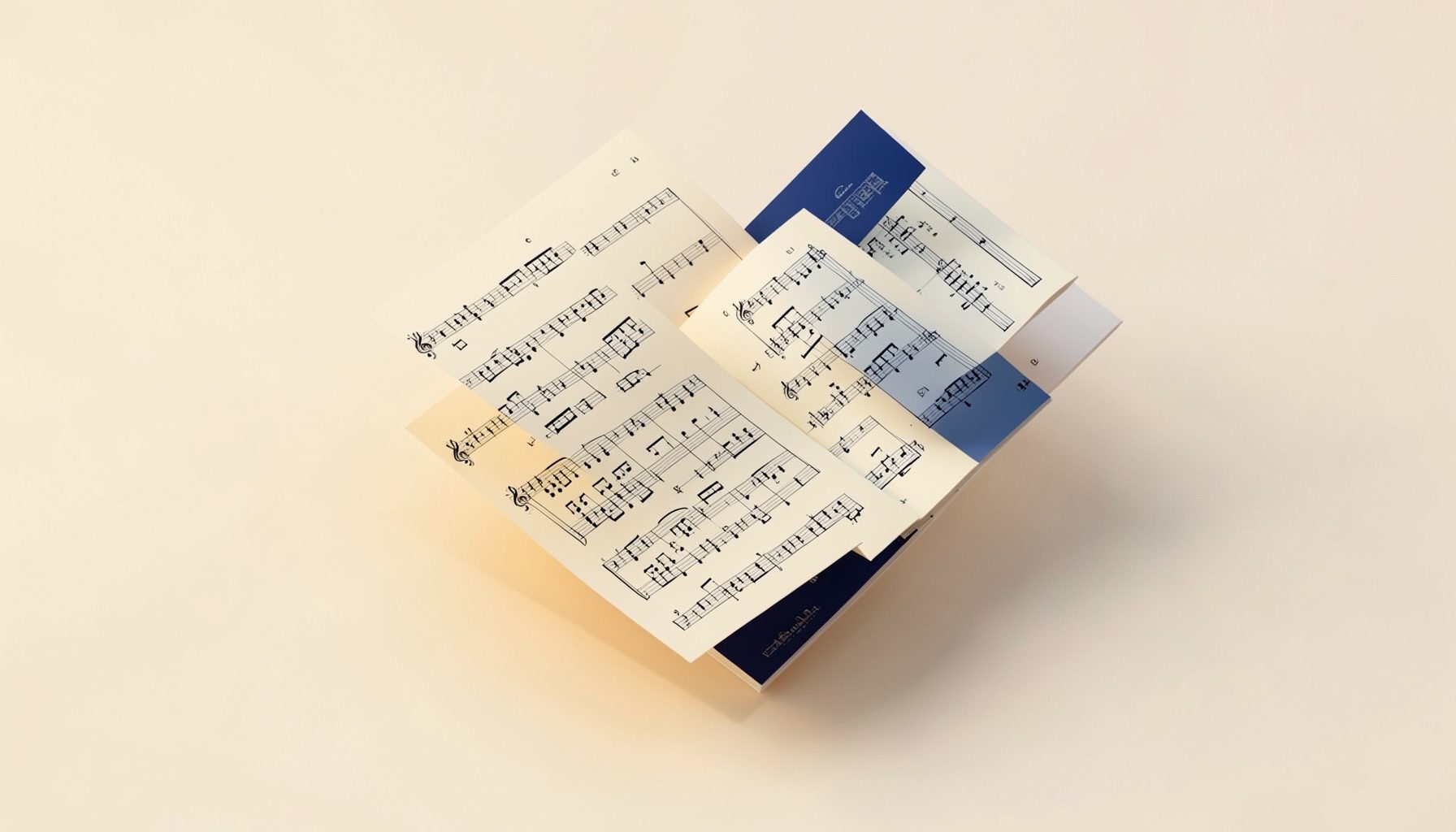
For families building a collection of Latter-day Saint music, printed arrangements and recordings can sit alongside other resources for different ages and occasions. A family-focused music gift guide reflects the broader culture in which songs are shared as presents, teaching aids and keepsakes.
Whether sung in a Melbourne meetinghouse, a rural Queensland branch or a living room anywhere in Australia, the song continues to do what it was designed to do: make a religious story memorable through a melody that children can learn, repeat and pass on.