

Nearer, My God, to Thee in LDS music history
“Nearer, My God, to Thee” occupies an unusual place in Latter-day Saint music. It is an English hymn with an American tune, adopted into a hymnal built by a Church with British roots and a growing American identity. For Latter-day Saints in Australia, its familiarity may arrive through a family album, a choir rehearsal, a temple recording or a funeral service.
Its history is a series of translations, gatherings and recordings rather than a straight line. The words belong to nineteenth-century British Christianity, while the tune and the hymn’s place among Latter-day Saints were shaped in North America. Keeping those threads separate makes the story clearer.
The song also carries an emotional range that has proved durable. Its language concerns nearness, trust, weariness and courage rather than detailed Church doctrine, allowing it to travel easily between formal worship, private reflection and choral concert.
Australian readers will recognise the setting. Congregations meet in a building called a meetinghouse, and Sunday’s service is called sacrament meeting. In conversation, “the Church” usually means the Church of Jesus Christ of Latter-day Saints, while “church” can simply mean a building. Quakers Hill in western Sydney anchors one of a nationwide network of communities.
British roots and an American tune
Sarah Flower Adams wrote the text in 1814, during personal loss and religious reflection in England. The verses first appeared in 1841 in a collection of Anglican hymns. Her words answer uncertainty without denying it: the repeated movement towards “Nearer, my God, to thee” turns fear into trust.
William B. Bradbury supplied the tune commonly heard today, also published in 1841. Its straightforward phrases suit congregational singing, while his settings worked for a four-part choir without losing their directness. The combination gave the hymn a reach beyond any one parish or denomination.
The metre matters as much as the sentiment. Once a congregation knows the tune, the words can be joined in, translated or sung with little preparation. That portability later helped the hymn travel among Latter-day Saints from many linguistic and national backgrounds.
Early Saints and shared hymnbooks
The first Latter-day Saint hymnal, A Collection of Hymns, appeared in 1835 and drew heavily on British and American Protestant repertoire, including “Come, Thou Fount”. Since “Nearer, My God, to Thee” was published in 1841, it could not have been in that volume. Its place in LDS history nevertheless grew from the same environment: printed hymnbooks circulating among families, missionaries and congregations in Kirtland, Nauvoo and later settlements.
Early membership included British converts who carried a strong habit of collective singing. The Restoration Church also borrowed from American evangelical music, so the hymn reflects a meeting of two traditions. A precise first Mormon performance is difficult to reconstruct, making it important not to invent one. The gradual formation of a shared sacred songbook is better documented.
Formal standardisation came with the 1948 hymnal, and its 1985 successor retained the hymn as number 99. The familiar number can make it seem more ancient than it is. Later hymnals placed this British-authored text beside LDS authors and tunes, helping it become part of the Church’s own musical identity.
The now-defunct Your LDS Music Store was one of the specialist catalogues built for that audience. Its company history recalls a retail world in which albums, songbooks and DVDs made such music easy to find, even though the operation itself has ended.
Choirs, temples and recorded worship
By the late nineteenth century, the Tabernacle Choir had made large-scale choral performance a defining part of LDS culture. Organ accompaniment, four-part harmony and strong vocal lines gave this English hymn a different character from a solo at home. The same song could become a choir’s offering, a soloist’s message or a congregation’s quiet verse.
Temple dedication broadcasts and recordings extended that sound far beyond Utah. Postwar tours and radio broadcasts carried LDS choral music to Australia and New Zealand, letting members recognise a familiar hymn thousands of kilometres from their meetinghouse. These experiences linked local congregations to a much larger musical world.
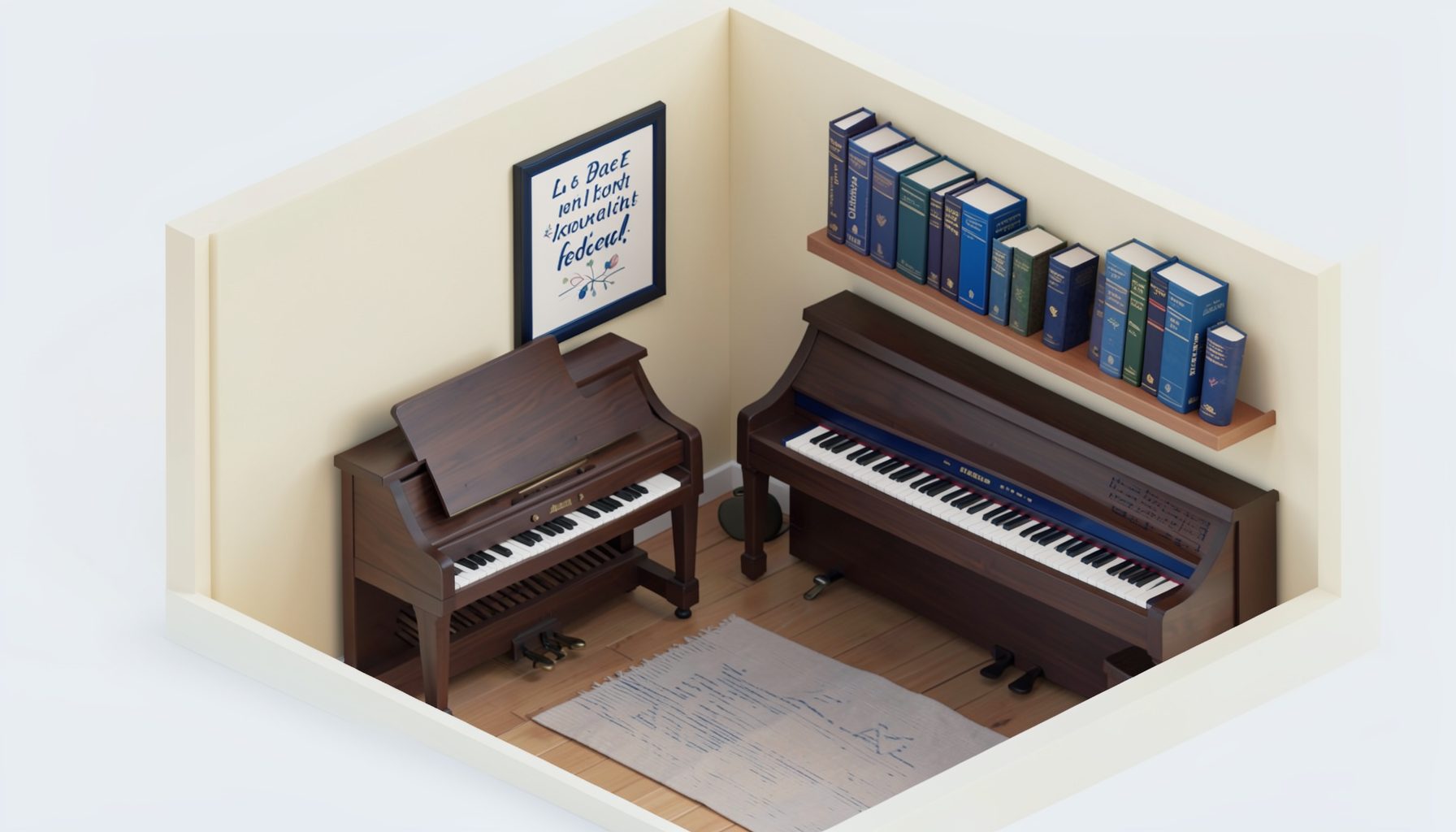
The hymn also fits occasions of grief and reassurance. In funerals, testimony meetings and private prayer, its direct words have particular force. Australian families have made such choices around piano, organ and unaccompanied singing; the setting may change, while the movement towards nearness remains its emotional centre.
Home listening, care and the Australian market
Choir culture has never been the only way LDS music reaches listeners. Soloists, family ensembles, EFY recordings and church piano books bring hymns into homes for meals, lessons or quiet reflection. Guidance on music for self-care connects familiar sacred songs with rest and emotional recovery rather than with worship alone.
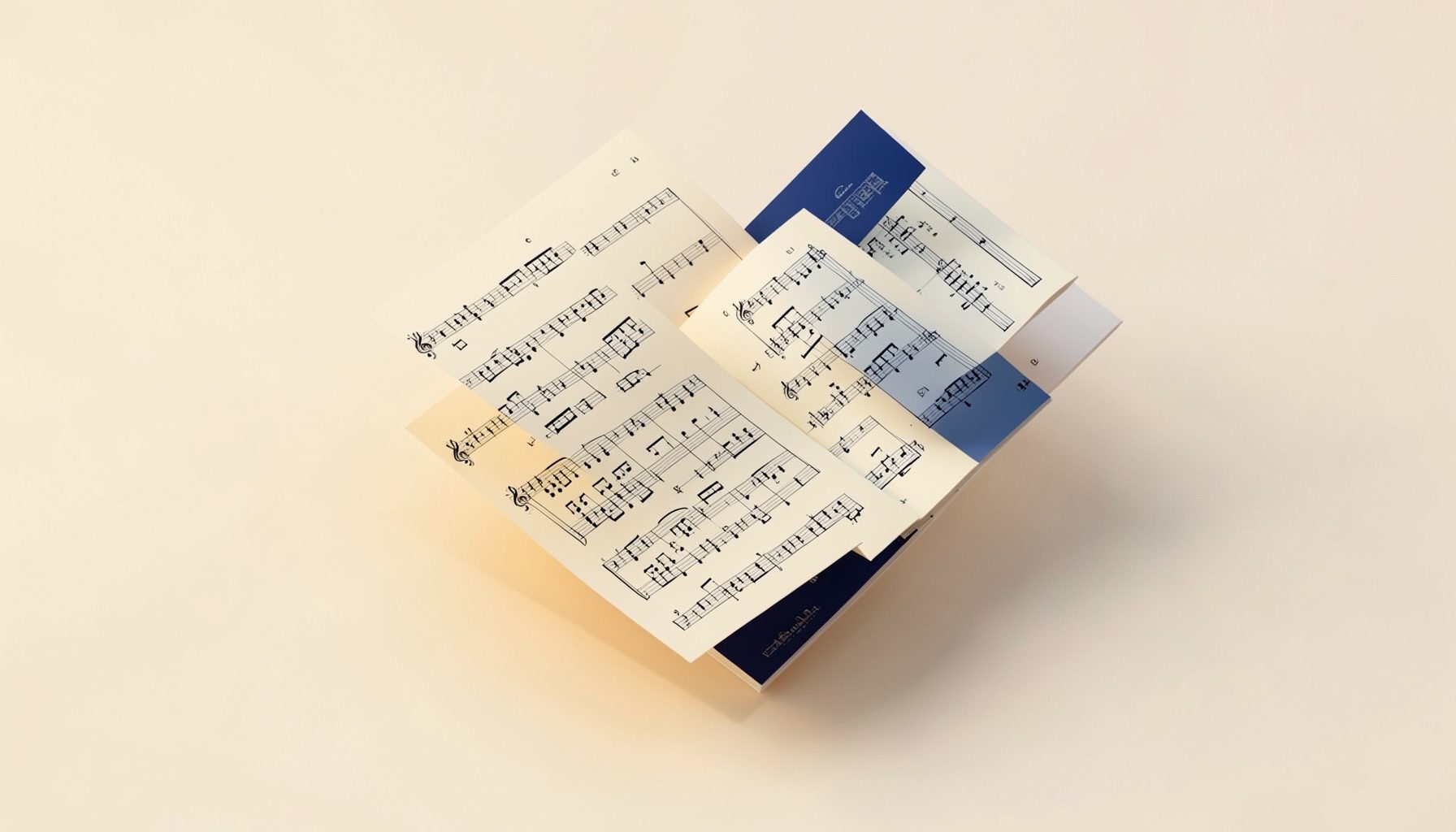
Australian church music purchasing has also been shaped by a mixed economy. A buyer might order a digital track, a physical CD from a specialist catalogue or a locally arranged piano folio, then find that overseas freight and exchange rates make local stock more attractive. Small ensembles and family groups often share arrangements, so one purchase can support several households.
Language adds another layer. Sydney and Melbourne congregations include Tongan, Samoan, Mandarin, Vietnamese and Spanish-speaking communities, alongside many English-speaking congregations. Translating the hymn exposes choices about gender, grammar and emotional directness. A tune crosses languages readily; a beloved phrase sometimes needs new words.
The wider culture of remembered music
The hymn’s history is best understood alongside other ways that music and identity travel. Rockabilly offers a useful contrast: a distinctive 1950s sound acquired a look as recognisable as the record. Histories of rockabilly grease hairstyles show how thoroughly performers used clothing and grooming to announce a subculture.
Australian collectors know this world through record shops, dance nights, festivals and vintage clothing. Melbourne and Sydney were important centres for early rock and roll, while local scenes later welcomed renewed interest in 1950s music and dress. Sacred and secular histories meet in these spaces, although the resemblance does not make this hymn a rockabilly song.
That distinction is useful when preserving LDS music history. The song was not a 1950s number, yet it has travelled through comparable materials: albums, sheet music, broadcast sound and family memory. Just as a pompadour can suggest an era without reproducing its songs, a hymnal can suggest a community without explaining everything that happened within it.
A shared song in many voices
As the Church expanded beyond English-speaking North America, the hymn became part of a wider musical inheritance. It is sung in Anglican and Catholic services as well as LDS meetings, and translations carry it into languages spoken across Africa, Asia, the Pacific and Latin America. In LDS settings, those translations reveal how a nineteenth-century British devotional text is understood today.
Australian musicians continue to reshape the song through arrangement. Organ, strings, brass, acoustic guitar and unaccompanied voices give different answers to what closeness should sound like. A youth choir might give the final verses more momentum than a traditional setting; a concert singer might dwell on the words’ uncertainty. The tune remains recognisable, but its character changes with each company of singers.
That continuity explains the hymn’s place in the material culture of memory. Some families preserve an old record sleeve; others scan a handwritten arrangement for a reunion. Collectors of mid-century style can encounter that second kind of preservation through retailers such as Chat Noir Store, while the hymn lives on in scores, recordings and worship. Its history survives as music repeatedly made present by the people who sing it.