

Preparing a welcoming sacrament meeting prelude
Music before a sacrament meeting has a quiet but important job: it gathers families, settles the room, and helps worshippers turn their attention towards the Saviour. A good hymn prelude should feel welcoming, not like a performance designed to impress. It creates the atmosphere in which prayer, testimony, and the sacrament can be received with reverence.
Preparation is more than choosing a beautiful tune. Think about the congregation, the instrument, the available musicians, and the meeting’s timing. The most useful prelude will be calm, appropriately brief, and easy to control under normal Sunday conditions. These are practical goals, not rules about what sacred music must sound like.
Let the room settle before the meeting
Begin with the room rather than the score. During the final minutes before the service, people are greeting friends, finding seats, and helping children settle. A sustained chord or a simple passage from a familiar hymn can soften the transition without demanding attention. Many musicians aim for about one or two minutes, but a full congregation may need longer. Leave a clear pause before the opening announcement rather than chasing an exact finish.
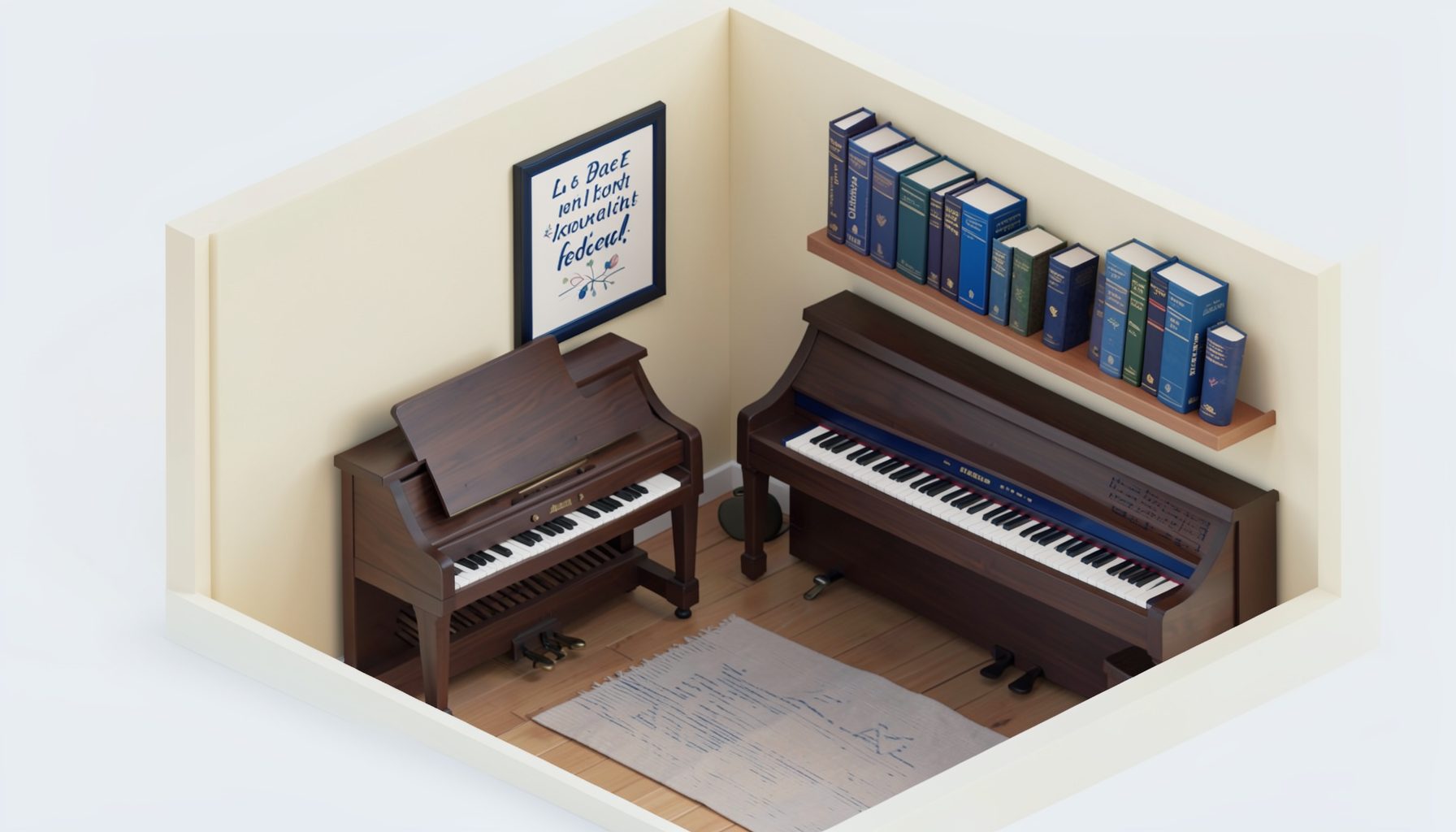
Australian meetinghouses often reveal how much the instrument matters. A ward in Sydney may have a substantial pipe organ, while a suburban Melbourne congregation might use an electronic organ or a digital piano in a multipurpose hall. The same piece can feel imposing on one instrument and exposed on another. Visit the room if you can, check the acoustics, and decide whether the arrangement needs registration, fewer stops, a lighter accompaniment, or a different key.
Piano players should test the action and balance at the actual keyboard, including how much pedal it can sustain cleanly. Organists should learn which combinations remain clear when people are moving around. Before buying an unfamiliar score, compare local music retailers and check the former store’s published return terms for the details worth confirming, such as damaged pages, missing parts, or an unreadable engraving.
Choose music that suits the occasion
A strong programme begins with the purpose of the prelude rather than a favourite piece. Choose music that helps worshippers recognise the tone of the hour, and give the sequence a gentle shape: arrival, expectation, and readiness for worship. One or two familiar melodies can make the prelude inclusive, especially where the ward includes several language groups or varied musical experience.
Before committing to a programme, work through these repertoire questions:
- Does each piece welcome the congregation without competing with spoken announcements or projected lyrics?
- Will the tune be recognisable, or does the arrangement add interest without making the melody hard to hear?
- Is the harmony suitable for the text, and does the sequence offer an appropriate change of colour and pace?
- Would the piece contribute to a devotional atmosphere, or pull attention from the meeting’s central purpose?
- Can the music be performed confidently on the available instrument and within the musicians’ preparation time?
The repertoire must also survive practical scrutiny. The former catalogue’s new-release pages can still point towards useful categories of organ books, instrumental arrangements, and downloadable scores, although availability should be checked with current retailers because the store has ceased trading. Once the pieces are chosen, run these checks:
- Can the hands, feet, and registration manage the arrangement without making the performance feel rushed?
- Are pedal markings, page turns, cues, and optional chords clearly shown in the score?
- Does the piece require a musician who will be present, or can one performer cover the whole prelude?
- Will the sound remain balanced on the instrument rather than becoming harsh at the chosen volume?
- Is there a reliable backup score, and can the sequence be shortened without an awkward ending?
Shape the sound with restraint and intention
Repertoire should sound natural on the instrument. Australian organists may know British and American hymn traditions, while the standard Latter-day Saint hymnal provides a common reference across wards. Australian organist and composer Donald Graham is worth exploring for organ writing. When introducing a less familiar work, keep the introduction brief and explain what listeners may hear.
Shape the performance with restraint. Use smooth phrasing for devotional pieces and clearer articulation when the music calls for forward movement, but avoid abrupt changes in volume that reveal the room’s weaknesses. Check the tempo against the actual congregation rather than an imagined empty building. The melody should remain audible without turning the prelude into a request to sing the following hymn.
Think through the ensemble as carefully as the individual part. Agree on who gives the count-in, which instrument leads, where the choir enters, and how the final chord ends. Outside the service, a guitarist who enjoys period details can consult a guide to reproduced rockabilly patches to distinguish modern copies from originals. Such attention to authenticity belongs in performance settings, not in the worship service itself.
Create a repeatable preparation routine
A prelude rarely fails because of one difficult chord; it falls apart when transitions, timing, or entrances have not been rehearsed. Set aside regular practice sessions and run the complete sequence from beginning to end. Mark mood changes, practise those transitions slowly, and then restore the chosen tempo. Record a practice run if that helps you hear uneven entries, although playback should support—not replace—careful preparation.
Rehearse the visual details as well. Open every score, turn the pages in advance, and place a pencil where a rehearsal mark or optional ending appears. If another musician is helping, rehearse the cue exactly as it will be given. Keep a clean backup copy and confirm that a substitute could take over without guessing which arrangement you intended.
On the day, allow time to arrive, check the temperature of the instrument, and warm up quietly before the room fills. Organists should learn the registration and exposed pedal combinations in advance rather than experimenting during the prelude. Pianists should check the bench height and pedal condition. A focused warm-up and calm start will do more for the congregation than extra playing at full volume.
Coordinate the music with the meeting
Coordinate with the music coordinator, choir director, organist, and meeting leader beforehand. Confirm who is playing, how long the prelude may run, and whether a choir or small ensemble will join. The opening hymn and other congregational selections are separate from this music, so the prelude should not duplicate them or hurry the transition into the sacrament. In many Australian wards, volunteers cover several musical roles, so a short written plan prevents uncertainty.
Local timing deserves attention. During daylight saving, Sydney and Melbourne move their clocks forward, while Brisbane and the Gold Coast remain on standard time; Adelaide follows South Australia’s half-hour change. Congregations in these cities may have different travel and meeting times, so ask the coordinator for the actual start time rather than assuming every ward follows the same schedule. A well-paced welcome can make that difference feel natural.
Keep the practical boundaries clear. Use licensed music and current arrangements, especially when material is projected, streamed, or recorded, and never film congregants without permission. For an occasional concert or ward social, check the dress code first; allow extra delivery time when ordering concert clothing from overseas. For ordinary Sunday meetings, clean, modest church clothes are entirely suitable. Finish by leaving enough silence for the leader to begin, and let the prelude support the meeting without demanding the spotlight.