

LDS songs for a baptism service or rehearsal
Music can give a baptism service a calm, hopeful shape. A familiar Primary song may help a child feel secure, while a hymn or solo can invite the congregation to reflect on Jesus Christ, personal choice and the promises associated with baptism.
This guide to the top 10 LDS songs for a baptism service or rehearsal focuses on pieces that work in a chapel, a stake centre or a family practice at home. The selection includes congregational hymns, children’s songs and simple arrangements suitable for piano, keyboard or recorded accompaniment.
For Australian Latter-day Saint families, practical details matter as much as the song list. A baptism in Sydney may involve a large multicultural ward, while a smaller gathering in regional Queensland or Western Australia may rely on one pianist and a few confident singers. Flexible music makes the occasion easier for everyone.
Choosing music with a baptism theme
The strongest baptism songs express a clear spiritual idea without requiring a complicated arrangement. Themes such as following Christ, making covenants, prayer, repentance and the gift of the Holy Ghost can be woven through the service without making the programme feel crowded.
Age is another useful guide. A newly baptised eight-year-old may connect most readily with a song about choosing the right or becoming like Jesus. Older children and teenagers may appreciate a reflective hymn, a duet or a musical number that gives them space to think about discipleship.
Songs that create a reverent mood
These five selections are especially effective near the beginning of a baptism service or during a musical number. They are recognisable across many wards, and their melodies can be adapted for a soloist, small group or full congregation.
- “When I Am Baptized” — A direct, gentle choice for a child’s baptism, with imagery of clean beginnings and spiritual renewal.
- “I Like to Look for Rainbows” — Bright and reassuring, this song suits a young child or a Primary group.
- “Baptism” — Its simple language and memorable melody make it easy for children to sing during a service or rehearsal.
- “Teach Me to Walk in the Light” — This hymn-like children’s song supports a thoughtful mood and works well with a steady piano accompaniment.
- “He Sent His Son” — A more reflective selection that centres the Saviour and can add depth to a musical presentation.
A pianist can use a restrained tempo and a short introduction so the words remain prominent. For a solo, “He Sent His Son” benefits from careful phrasing, while “I Like to Look for Rainbows” can carry a warm, confident sound with a children’s ensemble.
Songs that invite participation
The next five pieces are useful when the goal is to involve parents, siblings, Primary children or the entire congregation. They are suitable for a rehearsal because their repeated phrases help singers gain confidence quickly.
- “I Will Follow God’s Plan” — An upbeat statement of commitment that works well for children and youth.
- “I’m Trying to Be like Jesus” — Ideal for a child who wants to sing a solo with family support.
- “The Lord Gave Me a Temple” — A meaningful choice when the service includes teaching about the body, reverence and personal worth.
- “As I Search the Holy Scriptures” — A calm song for older children or teenagers who want a more reflective musical number.
- “We’ll Bring the World His Truth” — Energetic and memorable, it can close a rehearsal or encourage a group of children to sing together.
For a mixed-age congregation, keep the key comfortable and avoid rushing the final verse. A simple unison version is often more successful than an ambitious harmony arrangement, especially when relatives have travelled from Melbourne, Adelaide or another city and have had little time to practise.
Matching each song to the service
A baptism programme usually includes an opening hymn, prayers, talks, the baptism ordinance, confirmation and a closing hymn. Music can mark these transitions without competing with the central purpose of the meeting. A quiet song before the ordinance may prepare the congregation, while a brighter closing number can express joy.
A possible sequence might pair “Teach Me to Walk in the Light” with a talk about preparing for baptism, use “When I Am Baptized” as a musical number, and finish with “I Will Follow God’s Plan.” The hymn collection can help families compare familiar LDS repertoire and find arrangements that suit their available performers.
Avoid scheduling several songs with the same tempo and emotional colour. One thoughtful piece, one participatory song and one joyful selection usually create better contrast than a long series of similar children’s numbers.
Arranging accompaniment for different performers
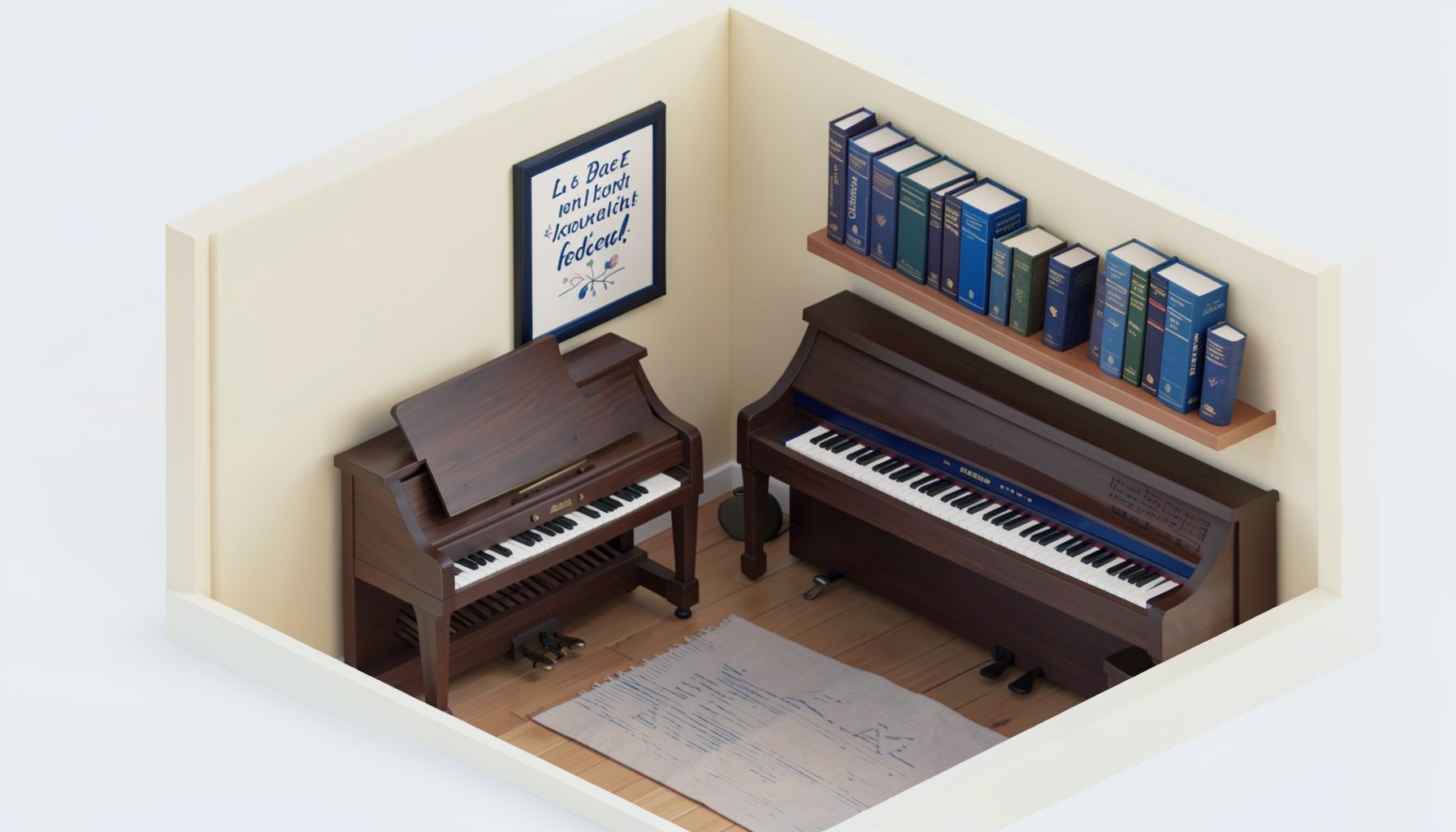
Piano accompaniment remains the most practical option in many Australian meetinghouses, although some venues have electronic keyboards with different touch and sound settings. Before rehearsal, check whether the instrument is in tune, whether the sustain pedal works and whether the pianist can access the correct key and tempo.
A beginner pianist should choose a simplified arrangement with a clear left-hand pattern. More experienced players can add a short introduction or a gentle modulation, but extra flourishes should never make the singer uncertain. For a child soloist, playing the melody softly in the right hand can provide helpful support.
Recorded accompaniment may be useful when a ward has no available pianist, particularly in a remote area or during school-holiday travel. Test the track in the actual room first, since chapel acoustics can make a backing recording sound louder and less clear than it did at home.
Making rehearsals comfortable for children
Children often sing more freely when they know exactly what will happen. Begin by speaking through the verse order, showing where the introduction ends and explaining whether the congregation will join them. A short rehearsal is usually more productive than repeating the entire song many times.
Parents can help by practising in the car or at home without turning the experience into a performance test. Encourage clear words, steady breathing and a natural posture. If a child becomes nervous, a family duet or small group can provide enough support without hiding the child completely.
For larger Primary groups, divide the song into manageable sections. One group might sing the first verse, another could join on the chorus, and everyone can sing the final line. This approach works well in busy wards in Brisbane or Perth, where a baptism may bring together children who do not regularly attend the same class.
Planning for Australian families and wards
Local timing can affect attendance. School terms, public holidays and long travel distances may influence who can rehearse, especially when families are travelling from rural districts to a stake centre. A song that can be prepared in two or three short sessions is often a wiser choice than a technically demanding arrangement.
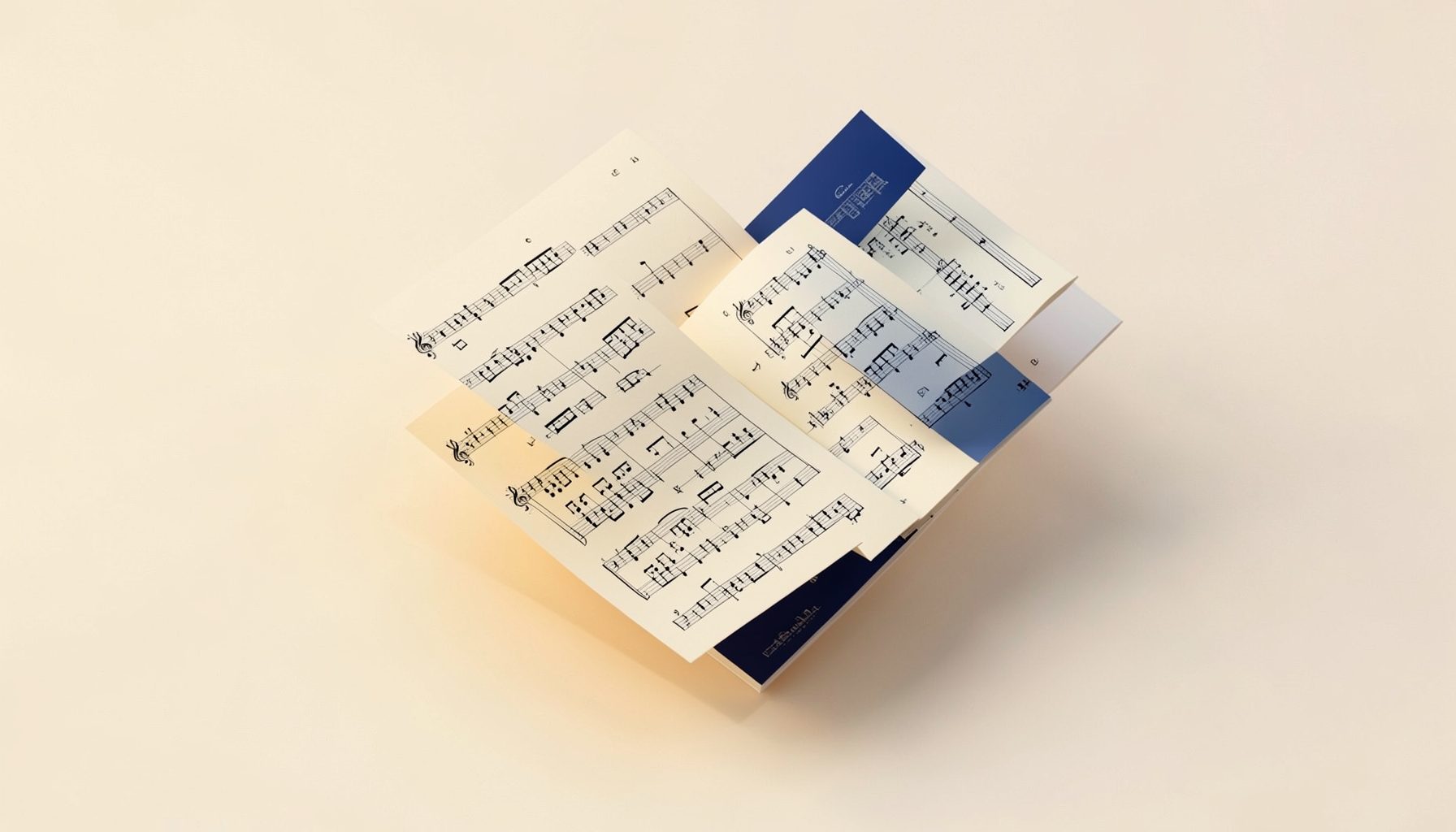
It is also sensible to check the current availability of sheet music, CDs or digital files before promising a particular performance. The former Your LDS Music Store documented a specialised catalogue, but the store has ceased operation; historical returns information should therefore be treated as archive material rather than a current purchasing policy.
When printed music is unavailable, families can consult approved ward resources, public hymnbooks or authorised digital collections. Keep copyright and licensing in mind when distributing arrangements or playing recorded tracks, particularly if the service is also streamed for relatives who cannot attend in person.
Creating a simple rehearsal plan
Start with the song that presents the greatest musical challenge, then move to the easiest group number. Sing through the melody without instruments first, identify unfamiliar entrances and mark any repeated sections. This gives the pianist and singers a shared framework before they work on expression.
A practical rehearsal can include a five-minute warm-up, one complete run-through, focused practice on difficult lines and a final performance without interruptions. Leave time to practise walking to the microphone, standing at the right height and returning quietly to the seats.
The best baptism music feels sincere, familiar and proportionate to the occasion. Whether the service takes place in a Sydney chapel, a country meetinghouse or a family setting, these ten songs provide adaptable ways to celebrate a child’s decision to follow Jesus Christ.