

Using music to teach the Articles of Faith: Songs and activities
Music can make the Articles of Faith feel like living beliefs rather than a list to memorise. A familiar melody gives learners a way to hold a truth, while lyrics provide language they can later explain in their own words. Used thoughtfully, Latter-day Saint songs support understanding of God’s nature, agency, repentance, resurrection and the restored Church without making the lesson feel like a lecture.
A practical plan groups the thirteen Articles of Faith into themes: divine nature and unity; human freedom and judgement; repentance, resurrection and eternal destiny; and the authority of revelation and the Church. Teachers can then select one or two songs for each session. This keeps the class centred on scripture and official doctrine, while music acts as a memory aid and a doorway into discussion and testimony.
Strong lessons combine listening, participation and action. Children might clap a repeated phrase, teenagers might arrange a verse, and adults might discuss how a line shapes a personal choice. Learners should be able to identify the teaching point, connect it with an Article and explain how it influences belief or behaviour.
Australian church communities have useful settings for this work. Suburban meetinghouses around Sydney, Melbourne and Brisbane, as well as hired community halls, can host family hymn evenings. Lessons can be planned around school holidays, public holidays and the Easter and Christmas seasons when families gather for baptisms and reunions.
Choosing songs with a doctrinal purpose
Choose songs whose words can be supported by the teachings they represent. “How Great Thou Art” can open a discussion of God as Creator; “Come, Follow Me” can support learning about following Christ; and “I Am a Child of God” can prompt talk about identity and agency. Check the wording in the specific album or arrangement, and frame personal songs as invitations to testimony rather than substitutes for doctrine.
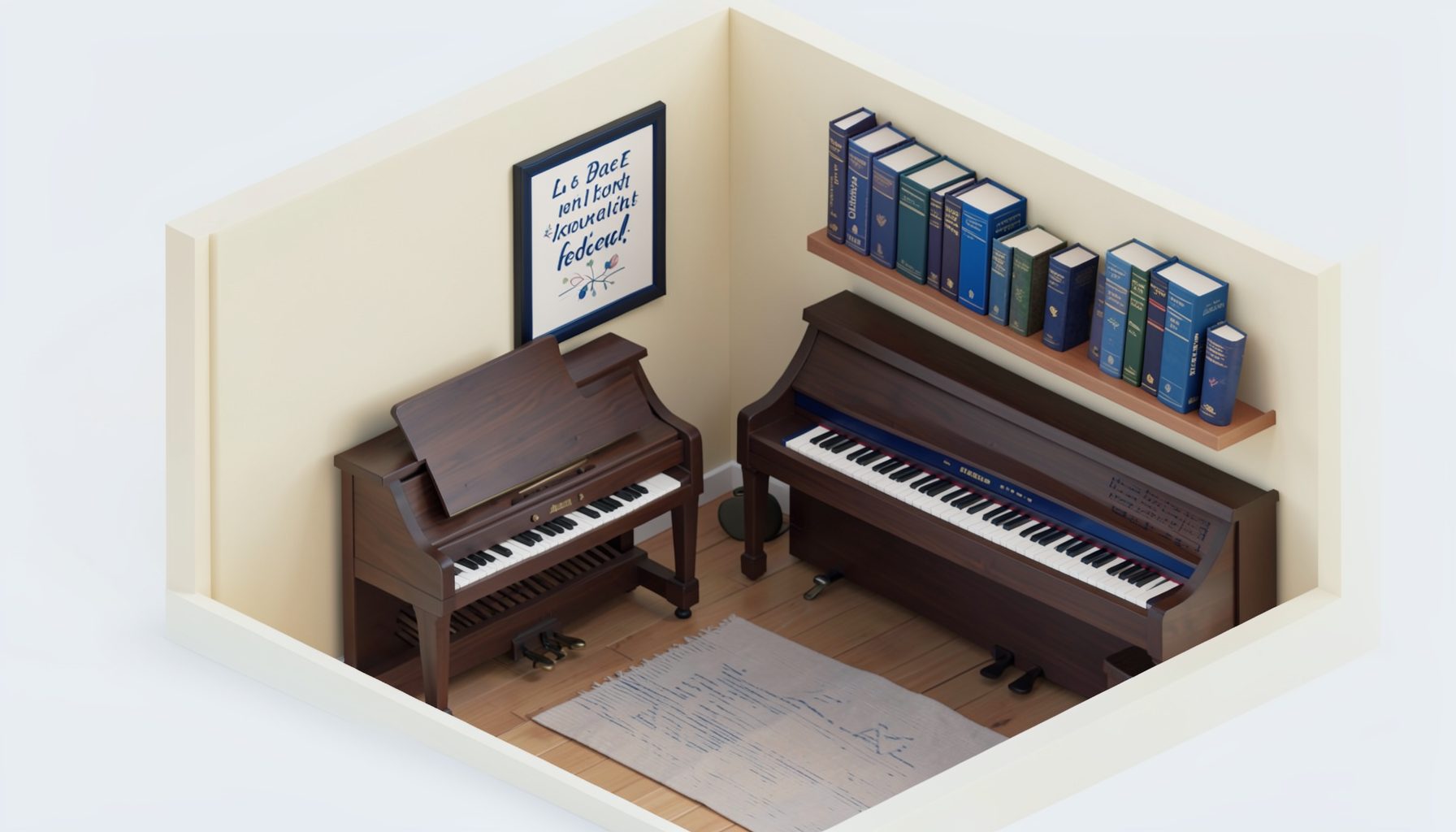
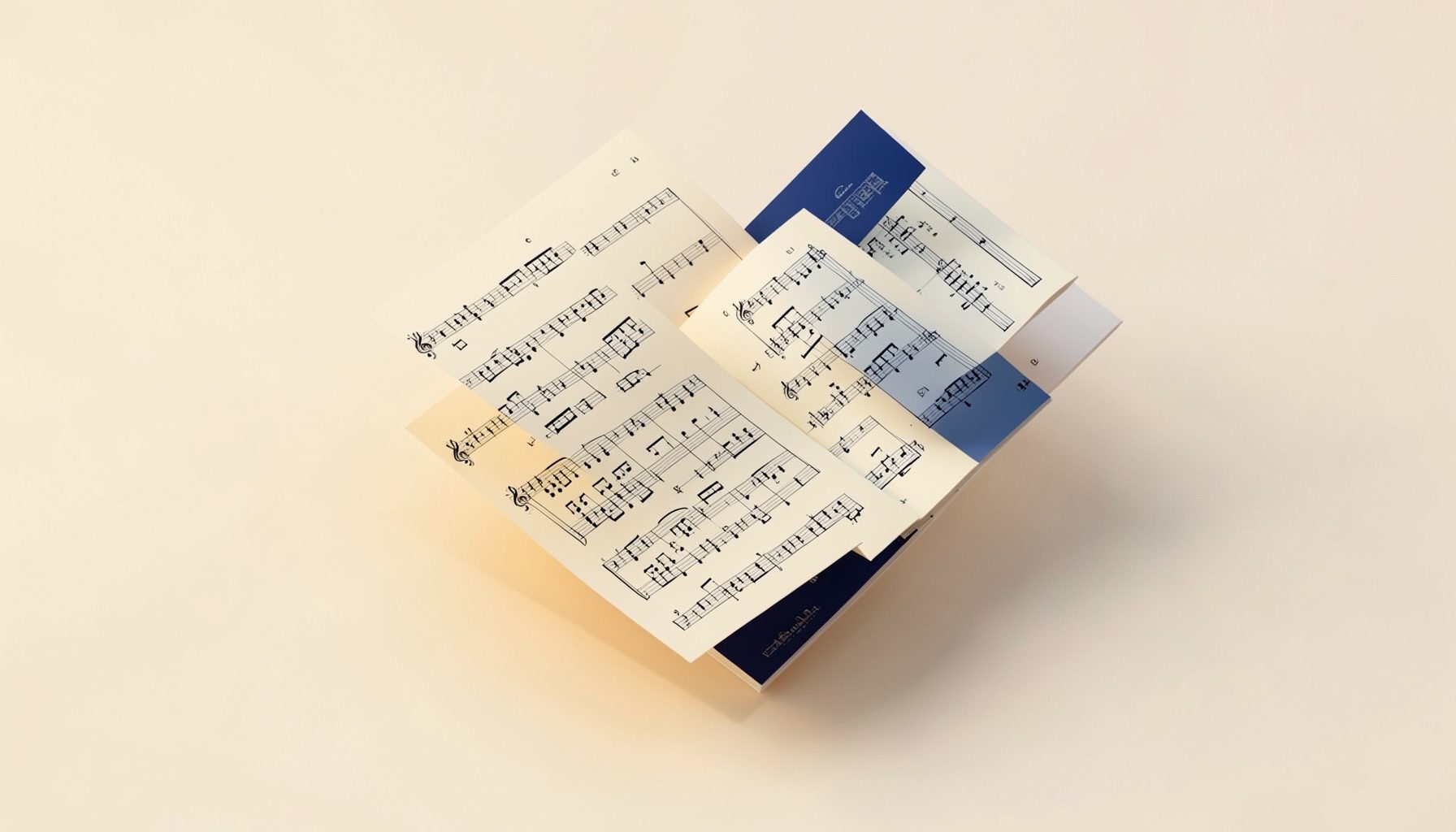
The former LDS music catalogue shows the range once available: CDs, MP3 albums, DVDs, songbooks, hymn arrangements and piano sheet music. Older formats remain useful for families without dependable streaming, while piano editions can help visitors learn a verse at home. In Australia, local music retailers and second-hand piano shops provide alternatives when purchases are budgeted in Australian dollars. A rotating set of three or four familiar songs is easier to revisit than a long unfamiliar playlist.
Turning lyrics into learning activities
Begin with sound before explanation. Play a clean chorus and ask learners to identify its mood, repeated words and central message. Younger children can use hand motions for “light”, “path” or “serve”; older students can annotate a printed lyric. This routine makes the song something they examine, not simply background decoration.
Link musical phrases to specific claims. For repentance, a line from “Turn Your Heart to Me” can lead to the gospel principle of turning away from sin. Lyrics about teaching and covenant can introduce the authority of revelation and restored doctrine. Always return to the scriptural wording so interpretation remains anchored. Preparing baptismal service music for an Easter or Christmas baptism also gives youth a meaningful role in practising reverence and shared testimony.
Matching music to different learners
The right format depends on the learners, available musicians and time allotted. Compare the options before choosing an arrangement or activity:
| Learner | Useful format | Musical activity | Intended outcome |
|---|---|---|---|
| Children | Short primary-song chorus | Repeat-and-move sequence | Connect a memorable phrase with one truth |
| Teenagers | Lyric analysis with a simple beat | Verse arrangement or comparison | Explain the teaching and relate it to choices |
| Adults | Hymn with reflective testimony | Cross-verse discussion | Give a personal example without replacing doctrine |
| Families | Familiar and new songs together | Home singing challenge | Discuss one belief around the dinner table |
| Online groups | Recorded chorus and PDF lyrics | Call-and-response post | Share one insight and one action |
A tablet, projector or smartphone can support these approaches when a piano is unavailable. Keep singing to about one-third of the period, reserve another third for interpretation and use the rest for application. This balance preserves the musical experience while giving Sunday School and family groups enough time to think.
A practical menu for teachers and families
A mixed menu lets leaders adapt one theme to different ages without losing the doctrinal thread. Pair each song with one activity that rehearses its teaching.
Song choices
- “How Great Thou Art” for divine nature, worship and wonder.
- “Come, Follow Me” for Christ, discipleship and daily choices.
- “I Am a Child of God” for identity, agency and confidence.
- “Turn Your Heart to Me” for repentance and a willing spirit.
Use short activities that produce a spoken explanation or a practical decision.
Activity choices
- Highlight a repeated lyric, name its Article theme, then explain it aloud.
- Arrange a chorus as call and response with simple assigned actions.
- Give each family a song, doctrine phrase, reflection question and evening action.
- Record a thirty-second reflection on what was learned and how it can be applied.
Invite families to sing one verse at home and bring back a response rather than a polished performance. This keeps participation accessible to children, teenagers, working adults and visitors who may not read music confidently.
Running a memorable sixty-minute lesson
Start with a welcome and one familiar chorus. Give the class a doctrine phrase, such as “God is the same everywhere” or “the dead may be raised again”, then let the song provide the first response. A short opening creates momentum without turning the lesson into a choir rehearsal.
Use the PDBeats platform or hand percussion for rhythm work: clap a four-beat pattern, copy a call or freeze on the final word. Younger learners benefit from this movement, while older groups can discuss how tempo and dynamics influence the emotional force of a line.
Reserve the final fifteen minutes for meaning and action. Ask learners to complete, “This song helps me understand…” and “This belief invites me to…”. In Australia’s southern-hemisphere summer, January gatherings can be hot, so keep activity stations indoors and serve water at a family hymn night. Finish by singing again with one change: another verse, a new key or a slower tempo.
Sharing music beyond the classroom
Recording and publication can widen the lesson’s reach. A congregation can share a short rehearsal clip, lyric handout or family activity through ward communications, provided consent and safeguarding are respected. A three-minute song explanation followed by a chorus often teaches more effectively than a full concert.
The former store’s companion-blog approach showed the value of spotlights on EFY and LDS artists, release news and concert coverage. A modern version should begin with website speed testing so families on regional connections can reach audio, video and print files quickly. Australian distribution works best when streaming playlists, licensed downloads, CDs and second-hand sheet music are offered together.
After gathering examples, update the activity sheet and circulate it through local ward networks, family groups and music teachers. Repeated use will show which songs help families explain the Articles of Faith with clarity, feeling and conviction.