

Why “Love Is Spoken Here” Still Belongs in Family Music
Some songs become part of family life because they are easy to sing, easy to remember, and meaningful at every age. “Love Is Spoken Here” holds that place for many Latter-day Saint families. Its simple message about love in the home gives children a musical way to express feelings that can otherwise be difficult to explain.
The song is closely associated with Primary, family devotionals, church programs, and quiet moments at home. Its appeal reaches beyond a particular performance or recording. Parents may remember singing it when they were young, while their children discover its words through family worship, Sunday lessons, or a children’s choir.
That continuity helps explain why the song remains familiar across generations. It offers a gentle picture of the home as a place where love is communicated through kindness, patience, service, and shared faith.
A message children can understand
The central idea is direct: love can be heard in the way family members speak and treated as something visible in daily behavior. Children do not need extensive theological background to understand that encouraging words, forgiveness, and attention can make a home feel safe.
This clarity gives the song lasting value in a Primary setting. Young singers can focus on the meaning without struggling with complicated imagery or an elaborate structure. Adults, meanwhile, often hear an additional invitation to model the kind of communication the song celebrates.
Its language also leaves room for personal interpretation. One family may connect the lyrics with prayer and scripture study, while another may think about helping siblings, welcoming a new baby, or supporting a family member through illness. The song’s emotional center stays recognizable even as circumstances change.
A melody built for shared singing
A memorable melody matters when a song is meant to be sung by an entire family rather than a trained soloist. “Love Is Spoken Here” has a warm, flowing character that supports young voices and allows adults to join without overpowering them.
The musical line gives the words room to breathe. That quality is important in family music because the goal is usually participation, not performance. A child who sings softly from the edge of the room can still feel included, and a larger group can create a full sound without requiring a complex arrangement.
The song also works in several settings. It can be presented by a children’s choir, accompanied on piano, sung a cappella, or included in a family playlist alongside LDS artists and devotional recordings. This flexibility has helped it move naturally between church programs and ordinary home routines.
Why the song fits family worship
Family worship often succeeds when it is consistent and approachable. A song that takes only a few minutes to sing can become a familiar part of a family devotional, especially when children know they will have a chance to participate.
“Love Is Spoken Here” supports that pattern because its subject is closely connected to family relationships. Singing it before a prayer, after a family discussion, or during a difficult season can redirect attention toward gentleness and unity. The music creates a pause in which family members can listen to one another with greater care.
The song can also help parents teach values without turning every lesson into a lecture. A brief conversation about the lyrics may lead to practical examples: speaking respectfully, including a sibling, thanking someone for service, or apologizing sincerely. The song becomes a prompt for action rather than a message that ends when the final note is sung.
How it compares with other family songs
Within the broader LDS music tradition, family-centered songs serve different purposes. Some are energetic and instructional, some are reverent prayers, and others are designed for a particular holiday or church event. “Love Is Spoken Here” occupies a reflective middle ground: it is gentle enough for worship but accessible enough for everyday singing.
| Family music quality | “Love Is Spoken Here” | More specialized songs |
|---|---|---|
| Main focus | Love, communication, and family unity | Doctrine, holidays, service, or celebration |
| Vocal demand | Comfortable for children and mixed-age groups | May require a wider range or stronger technique |
| Best settings | Home evening, Primary, choir, devotional | Concerts, seasonal programs, or formal worship |
| Emotional tone | Warm, peaceful, and reassuring | Joyful, dramatic, solemn, or highly energetic |
| Long-term use | Fits many family seasons and ages | Often connected to a specific occasion |
That balance gives the song unusual staying power. It can appear in a formal program with piano accompaniment, yet it does not feel too elaborate for a parent and child singing together. It can also sit comfortably beside hymn arrangements, children’s albums, and contemporary faith-based recordings.
Personal memories give the song new life
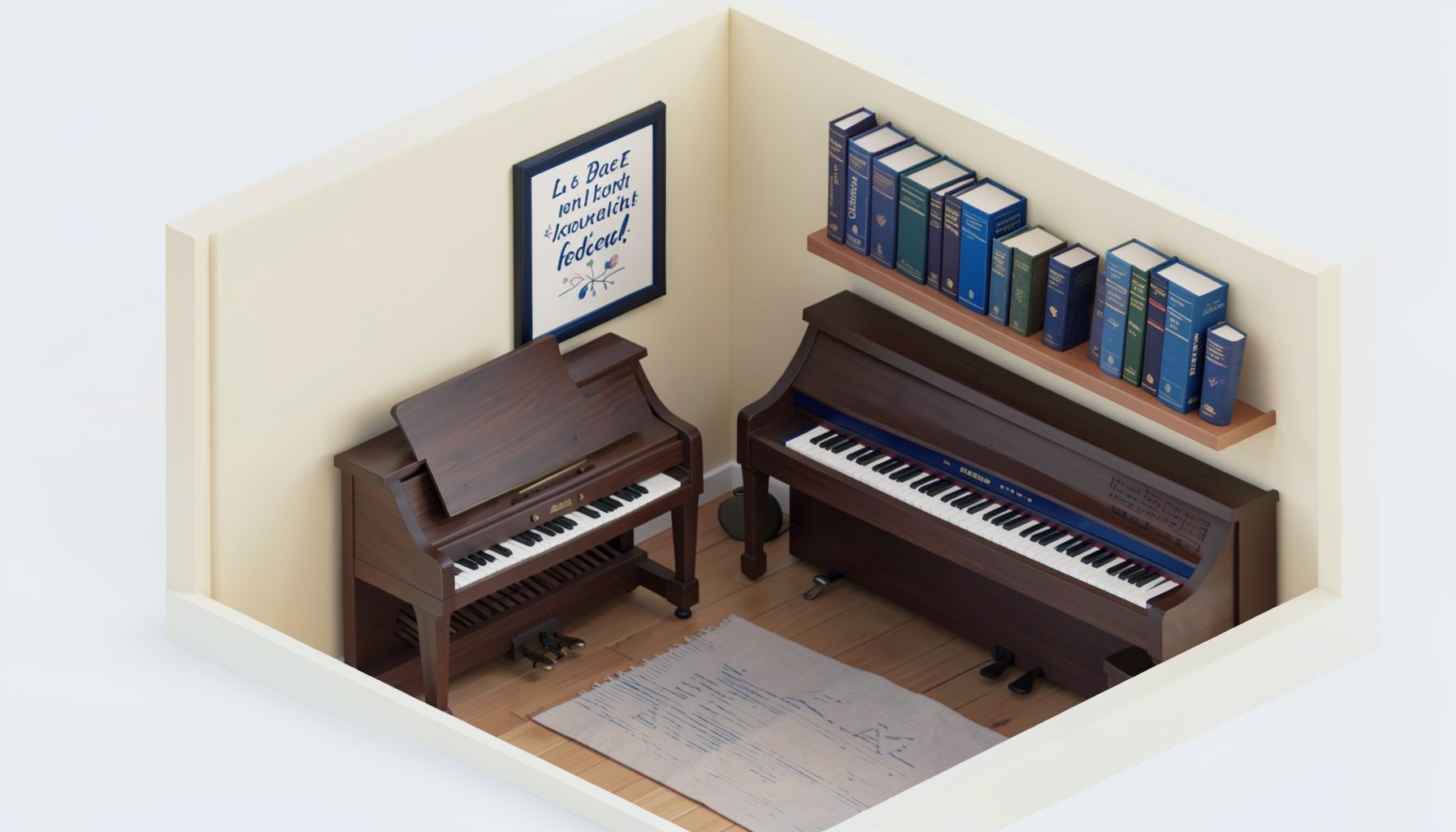
A favorite family song is rarely remembered only for its notes. People associate it with a particular room, a familiar piano, a Primary teacher, a grandparent’s voice, or a child’s first public performance. Those memories add emotional depth each time the song returns.
For some listeners, the song recalls childhood and the sense of being surrounded by a believing community. For others, it takes on new meaning after marriage or parenthood. The words may sound different when someone is trying to create a peaceful home, repair a strained relationship, or comfort a child.
This process of reinterpretation keeps the song from becoming locked in the past. Each generation can sing the same melody while bringing new experiences to it. A family recording, a church performance, or a simple evening at the piano may all become part of the song’s continuing story.
Keeping a beloved song in a changing music collection
Digital listening has changed how families discover religious music. A child might encounter “Love Is Spoken Here” through a church presentation, a streaming playlist, a piano arrangement, or an older recording preserved in a personal library. The format changes, but the song’s purpose remains familiar.
Archived LDS music catalogs have also helped listeners remember how widely family music has been shared through CDs, MP3 albums, sheet music, and children’s collections. People researching older releases can follow music updates to discover related artists, recordings, and news from the Latter-day Saint music world.
For families building a meaningful home library, the song pairs well with other selections that encourage faith, gratitude, service, and family connection. It does not need to dominate a playlist to remain important. Sometimes hearing it once among newer recordings is enough to bring back its distinctive sense of warmth.
Simple ways to bring its message home
The song becomes most powerful when its message is connected to ordinary behavior. Families can use it as a starting point for small, repeatable practices rather than treating it only as a special-program number.
- Sing it during a short family devotional, even if the group includes only two people.
- Invite children to identify words or actions that make a home feel loving.
- Pair the song with a family service project or a note of appreciation.
- Use a piano arrangement or recorded accompaniment when no one feels ready to lead.
- Revisit it during transitions, such as a move, a new school year, or the arrival of a new sibling.
Families looking for archived product details, music formats, or answers about older catalog material can also consult the site’s help resources. Practical access to lyrics, arrangements, and recordings can make it easier to bring a familiar song back into regular use.
“Love Is Spoken Here” continues to matter because it connects music with the daily work of building a loving home. Add it to a family playlist, sing it at the piano, share it with children, and let its simple message become part of the way your household speaks and listens.