

Cataloging Ward Choir Music With Insights From a Library Professional
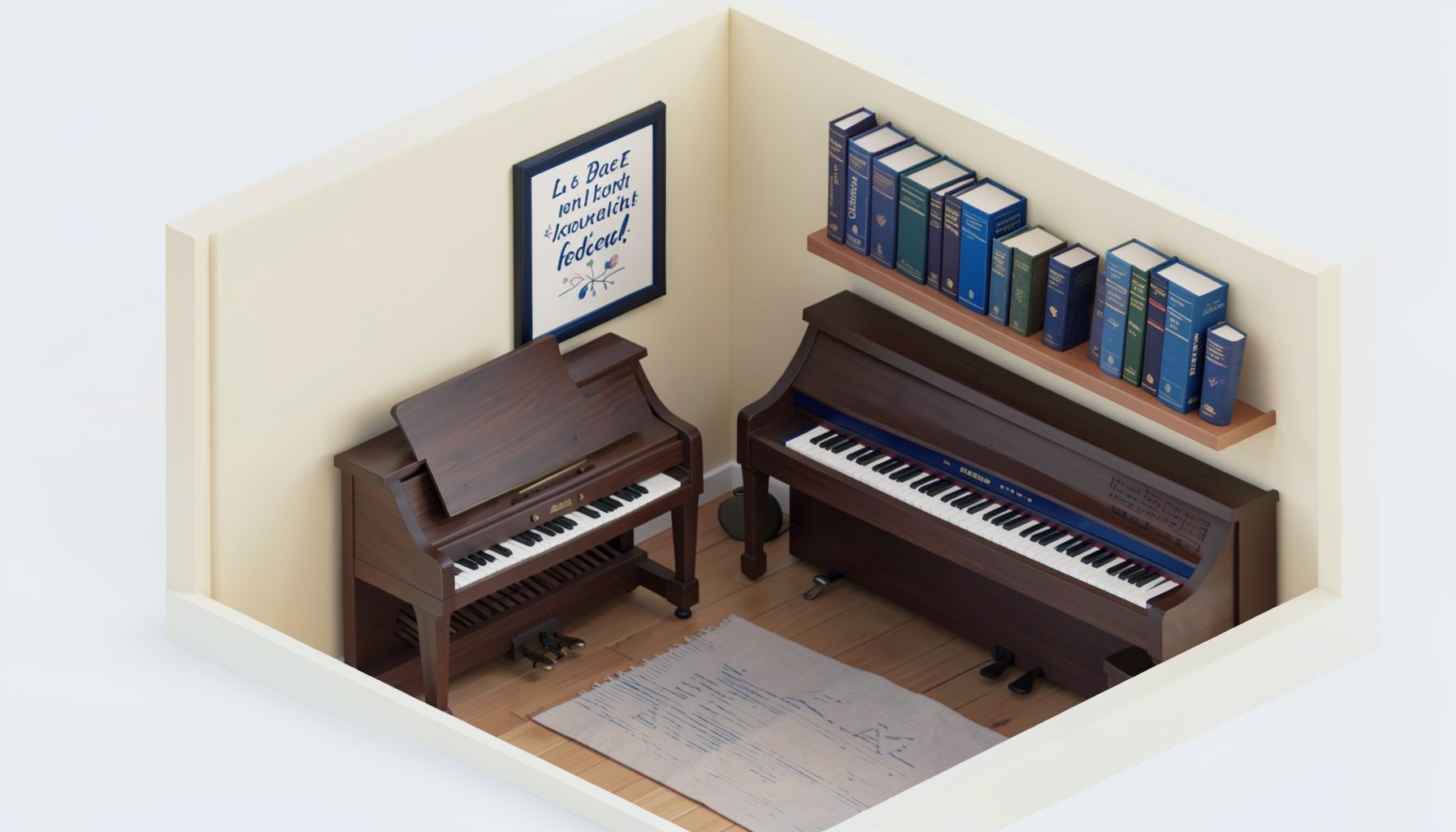
In a small chapel in suburban Brisbane, a volunteer music librarian sits at a folding table surrounded by hymnals and manila folders. Ward choir music across Australia is often kept this way: lovingly but loosely, passed between directors with their own quirks. We spoke with a librarian supporting congregations in Sydney, Adelaide, and regional Queensland about bringing order to these collections.
The interview began simply: how does a small congregation with rotating leaders keep its music usable year after year? The answer involves far more discipline than most wards realise. Cataloging is not simply about filing alphabetically by composer, but creating a searchable record that survives leadership turnover and copyright changes.
What emerged was a portrait of a quiet, methodical craft. Sacred music cataloging in a Latter-day Saint context carries spiritual weight as well as administrative function, because hymn selections are part of weekly worship. Understanding how a librarian approaches the role offers lessons for choir directors, musicians, and stewards of ward music libraries.
For Australian Latter-day Saints especially, where congregations are dispersed and resources arrive by post from Salt Lake City, a thoughtful cataloging system can mean the difference between a thriving choir and a stalled one.
The Role of a Music Librarian in a Ward Setting
The librarian described her role as a hybrid of archivist, scout leader, and diplomat. In an Australian branch with as few as thirty members, she is often the only person tracking which anthems have been performed, which hymn arrangements remain under copyright, and which folders contain actual soprano parts rather than photocopied duplicates.
A ward music collection is shaped by the liturgical calendar and the tastes of successive choir directors. Her Brisbane ward maintained Welsh hymn arrangements inherited from a previous bishop's wife, while her Adelaide ward favoured contemporary EFY-style pieces. Cataloging must accommodate both without privileging either.
She also emphasised that the role is unpaid, voluntary, and often invisible. The congregation sees the choir on Sunday but rarely sees the hours spent sorting. Part of her motivation was recognition for quiet custodians across Australia.
Cataloging Methods and Metadata Standards
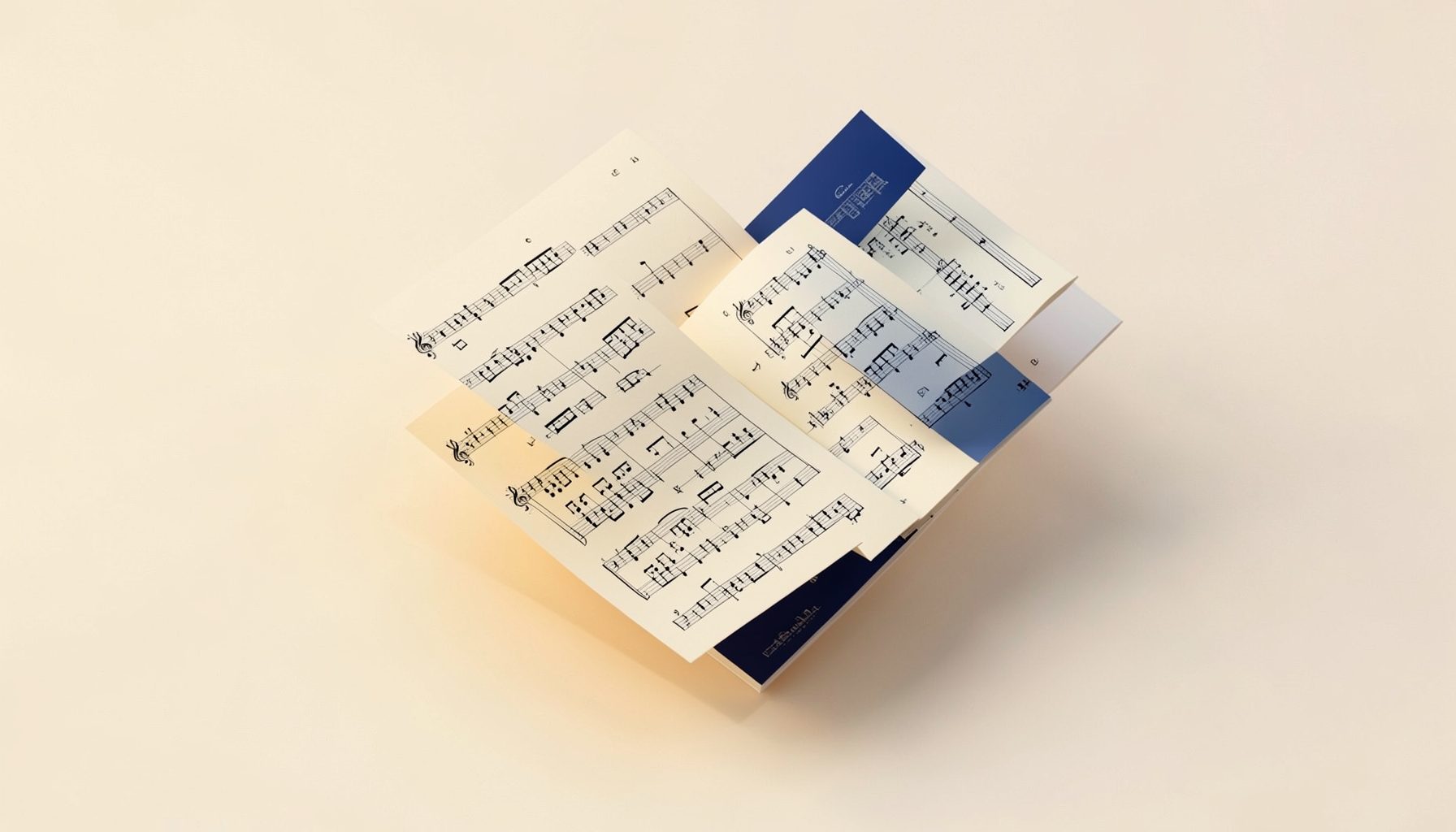
Her filing system is a spreadsheet with columns for composer, arranger, publication year, copyright status, voicing, difficulty, and liturgical suitability. She adopted a simplified version of metadata vocabulary used by major choral libraries, giving each piece a unique accession number combining year and sequence.
For works under APRA AMCOS licensing, she keeps a separate folder of certificates and renewal reminders, a step she considers essential in Australia where performance rights are strictly enforced. Many ward musicians are unaware that singing a copyrighted hymn arrangement at a fireside technically requires a licence.
She cross-references each piece by theme, tempo, and mood, allowing a director to plan a year of anthems by searching for combinations like "upbeat, Restoration, SAB voicing". Readers planning retreat repertoire will appreciate a guide to music selections for young single adult retreats applying similar intentional programming.
Challenges in Maintaining a Sacred Music Collection
The conversation turned to difficulties. Loss through carelessness is more common than theft: folders are left in chapel pews, taken home by departing members, or accidentally discarded during annual cleaning. The librarian now keeps a master scan of each piece in a cloud drive, with physical originals in a fireproof cabinet.
Funding is another perennial issue. In regional Australian wards, sheet music is often imported from the United States at considerable postage cost. She recalled her surprise when members quietly purchased music through online platforms using prepaid card systems. One member had even researched prepaid card withdrawal options while exploring budgeting tools, a discipline applied directly to choir acquisitions.
Generational expectations also matter. Younger members raised on streaming services expect to search and download rather than browse a physical catalogue. The librarian has responded with a searchable PDF index of the entire collection, accessible through the ward's private communication channel, which has noticeably increased repertoire variety in Sunday services.
Digital Tools and Modern Solutions
We discussed software at length. The librarian uses a free spreadsheet rather than professional library management systems, arguing that anything more complex would deter successors. She also maintains a separate database for recordings, indexed by YouTube link, CD rip, and original performer, so choir members can preview unfamiliar arrangements.
For Christmas programming, she recommends themed collections rather than assembling programmes piecemeal. Australian wards often plan December music in October, purchasing CDs for members to take home. A practical guide to LDS Christmas albums on CD can help choir leaders select recordings that complement their live arrangements.
She stressed metadata portability. Should her ward wish to merge its catalogue with a neighbouring stake's collection, the spreadsheet format she uses could be exported without specialist intervention. Her future plan is to upload the catalogue to a shared drive managed by the stake music chairman, creating a regional resource.
Collaborating With Choir Directors and Members
The librarian stressed that no catalog survives without collaboration. She holds a brief quarterly meeting with the choir director, accompanist, and interested members to review what has been performed, requested, and missing. These meetings are where the catalog becomes a living document.
She also encourages members to submit requests through a paper slip in the chapel foyer. Many of her most popular pieces came from suggestions by teenagers preparing for missionary farewells or by elderly members wishing to hear a childhood hymn. Capturing those wishes with the requester's name creates a record of community preference.
To build engagement, she has occasionally organised ward music nights around themed trivia and listening games, formats that double as recruitment drives for new choir singers. Wards interested in running similar events can find a helpful music trivia night guide with questions, rounds, and sample playlists.
Preserving Heritage and Building a Living Archive
The final portion focused on legacy. The librarian spoke movingly about a handwritten anthem from the 1960s, donated by a long-time member in Perth, that her cataloging system rescued from an unmarked envelope. The piece has since been performed three times and recorded once.
Her ambition is for every ward in Australia to treat its music library as a living archive, continuously updated and consulted. A good catalog answers three questions: what do we have, what can we legally perform, and what does our community need to sing next. When all three are addressed, the music programme becomes self-sustaining.
She closed the interview with a simple request: take one afternoon this month, label twenty pieces you cannot identify, and write down the accession number. Repeated across Australia, such small acts would transform ward choir music within a generation.
Practical Recommendations for Organising Ward Choir Music
- Adopt a four-digit accession code combining year and sequence, applied to every piece whether physical or digital.
- Maintain a single spreadsheet capturing composer, arranger, voicing, difficulty, theme, and copyright status for each work.
- Store scanned copies of all originals in a cloud folder accessible to at least two other ward members.
- Hold a short quarterly meeting with the choir director to review recent performances and identify gaps in the repertoire.
- Cross-reference recordings alongside printed music so choir members can preview unfamiliar arrangements.
- Document handover notes for successors, including licensing contacts, storage locations, and informal permissions granted by composers.