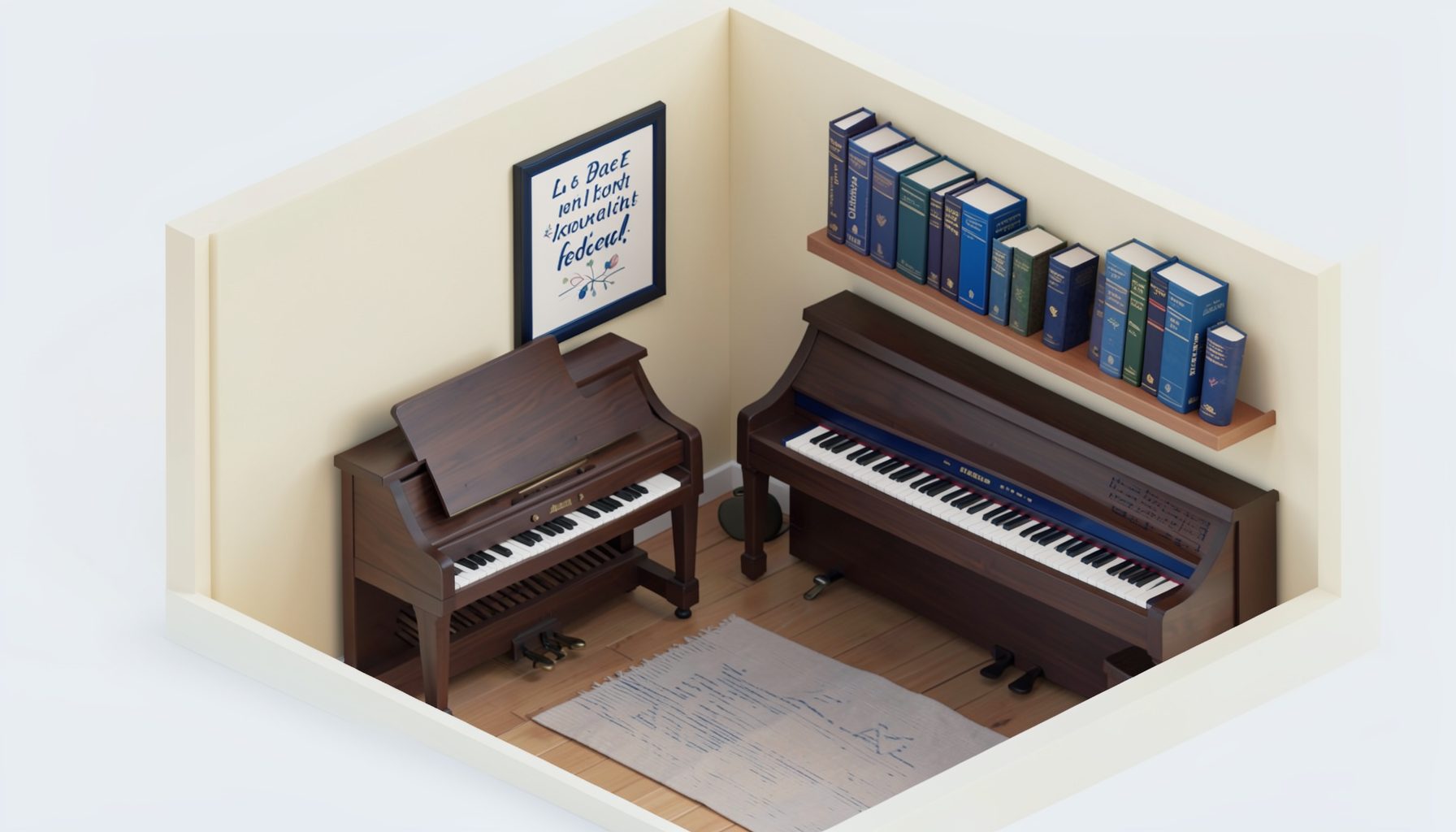



Sacred Music and Personal Scripture Study
Personal scripture study can become more attentive when music helps create a quiet, reverent setting. A hymn, choral arrangement or gentle instrumental recording may slow the mind, settle distractions and prepare you to read with greater purpose. The music does not replace prayer or scripture; it supports the transition from a busy day into spiritual reflection.
For Latter-day Saints in Australia, this practice can fit many routines: early study before a commute in Melbourne, a peaceful morning in Brisbane, or a short evening reading after family commitments in Perth. Sacred music is flexible enough for a digital playlist, a hymnbook beside the kitchen table or a carefully chosen CD played while the household wakes.
Choose Music That Serves The Passage
Begin with the scripture rather than selecting music at random. Consider its central message, emotional tone and setting. A passage about repentance may be suited to a quiet hymn about mercy, while an account of service could pair well with a bright congregational song. Instrumental piano, strings or a small vocal ensemble can be useful when lyrics might compete with the words on the page.
The connection does not need to be exact or dramatic. A familiar hymn may simply create a sense of reverence that helps you notice phrases you would otherwise skim. Parents studying with children can use a Primary singing guide to find songs that make gospel themes accessible without turning scripture study into a performance.
Try playing one song before reading and then sitting in silence for a few moments. Ask yourself what the music helped you notice: a word, an image, a feeling or a question. Writing that response in a study journal can turn a pleasant listening experience into a more deliberate spiritual practice.
Build A Listening Rhythm
A consistent routine is often more helpful than a large collection of recordings. You might use a short instrumental track to begin, read a chapter without background sound, and finish with a hymn that reflects on the main idea. This structure gives the session a clear shape while leaving space for personal revelation and prayer.
Keep the volume low enough that the music never becomes the centre of attention. Headphones may suit a shared home, while a small speaker can work well for family study. If you are creating a dedicated corner with a notebook, candle or other quiet study accessories, something simple from a small online store can help mark the area as a place for reflection, provided it remains practical and unobtrusive.
Your routine can also change with the day. A ten-minute session before work may need one carefully chosen track, whereas Sunday afternoon study could include several hymns and longer pauses. During Australian school holidays or a busy church calendar, shortening the routine is better than abandoning it altogether.
Match Sound To Different Kinds Of Study
Different forms of scripture study call for different soundscapes. Reading a narrative may work well with silence after an opening hymn, allowing the story to unfold clearly. Topical study, verse comparison and cross-referencing often require complete concentration, so music may be limited to the beginning and end. Journalling, memorising verses and reviewing conference messages can accommodate soft instrumental music.
Physical media can make the experience feel intentional. Choosing an album, placing a CD in a player or selecting a side of a record creates a deliberate pause before study begins. If you enjoy collecting vinyl in Australia, where coastal humidity can affect storage in places such as Sydney, Darwin and Cairns, follow practical vinyl care advice so sacred recordings remain clean and playable.
Digital music is convenient, especially for people living far from specialist music shops or managing a large household. Downloaded albums can prevent unreliable internet access from interrupting study, while playlists allow you to group hymns by theme. Keep a few offline options available for travel, camping trips or periods when you want to study without notifications.
Use Music With Seasonal And Local Meaning
Sacred music can give seasonal study a stronger sense of place. Easter scripture reading may be accompanied by hymns about the Saviour’s Atonement and Resurrection, while Christmas study can include carols that direct attention towards prophecy, humility and worship. A resource featuring Easter Sunday music can help you choose thoughtfully rather than defaulting to whatever happens to be familiar.
Australian congregations may mark these occasions in different ways. A ward in Adelaide might prepare music for an Easter service with a choir, while a smaller branch in regional New South Wales may rely on a pianist and congregational singing. Personal study can draw on that shared worship without needing to reproduce a formal programme at home.
Local memory matters as well. A hymn heard during a youth camp near the Blue Mountains, a musical number from an EFY-style gathering or a song associated with a family baptism may carry meaning beyond its lyrics. Use those associations carefully: they can invite gratitude and remembrance, yet the scripture should remain the focus rather than the nostalgia attached to a recording.
Keep The Practice Simple And Sustainable
A sustainable approach uses what you already have. One hymnbook, a small playlist or a single album can support months of study if you listen attentively and revisit meaningful songs. If you play an instrument, accessible sheet music can turn a favourite hymn into a personal prelude, postlude or quiet accompaniment, even if you are still developing your skills.
Set a clear purpose before pressing play. Decide whether the music is intended to settle your thoughts, illuminate a theme, support family participation or close the session with gratitude. These simple habits can keep music from becoming background noise and help it contribute to a more focused devotional atmosphere.
- Choose one song that reflects the scripture’s main theme.
- Play music before or after reading when lyrics would distract you.
- Keep the volume low enough for prayer and careful reading.
- Maintain a short offline playlist for travel or unreliable internet.
- Use a journal to record insights connected with the music and passage.
- Rotate seasonal hymns while retaining a few trusted favourites.
- Let silence become part of the study routine.
The most effective arrangement will vary according to your home, schedule and spiritual needs. Sacred music can open the heart, establish reverence and strengthen memory, but its value comes from how it directs attention towards scripture and the Saviour. A modest, regular practice is enough to make personal study feel more deliberate, peaceful and connected to worship.