

Seven organ postludes for a closing prayer
A closing prayer often ends in near silence, and that silence benefits from a musical threshold. An organ postlude can gather scattered attention, carry the final words, and send the congregation into the world without making the departure feel abrupt. The Seven Organ Postludes for a Closing Prayer collection offers seven choices for that threshold, from restrained reflections to more expansive arrangements.
The postlude is not an encore. It is a continuation of worship, serving the same purpose as the closing hymn, benediction and moment of stillness that follow it. Its job is to preserve the sacred character of the meeting while giving the organist an opportunity to shape the final impression through harmony, rhythm and careful control of the instrument.
Australian congregations may gather in grand halls, modest chapels, suburban meetinghouses or regional community centres. The best postlude therefore needs more than musical polish: it should speak clearly over a modest organ, accommodate varied acoustics and remain emotionally appropriate after a testimony, a family history presentation, a Christmas service or an ordinary Sabbath meeting.
Matching the postlude to the final moment
A postlude should answer the character of the prayer that precedes it. A quiet testimony meeting calls for restraint, while a baptism, conference or Christmas gathering may justify something brighter and more declarative. Longer pieces can sustain a reflective conclusion, but shorter works are often more practical when the benediction is ready to move into the congregation’s ordinary weekday.
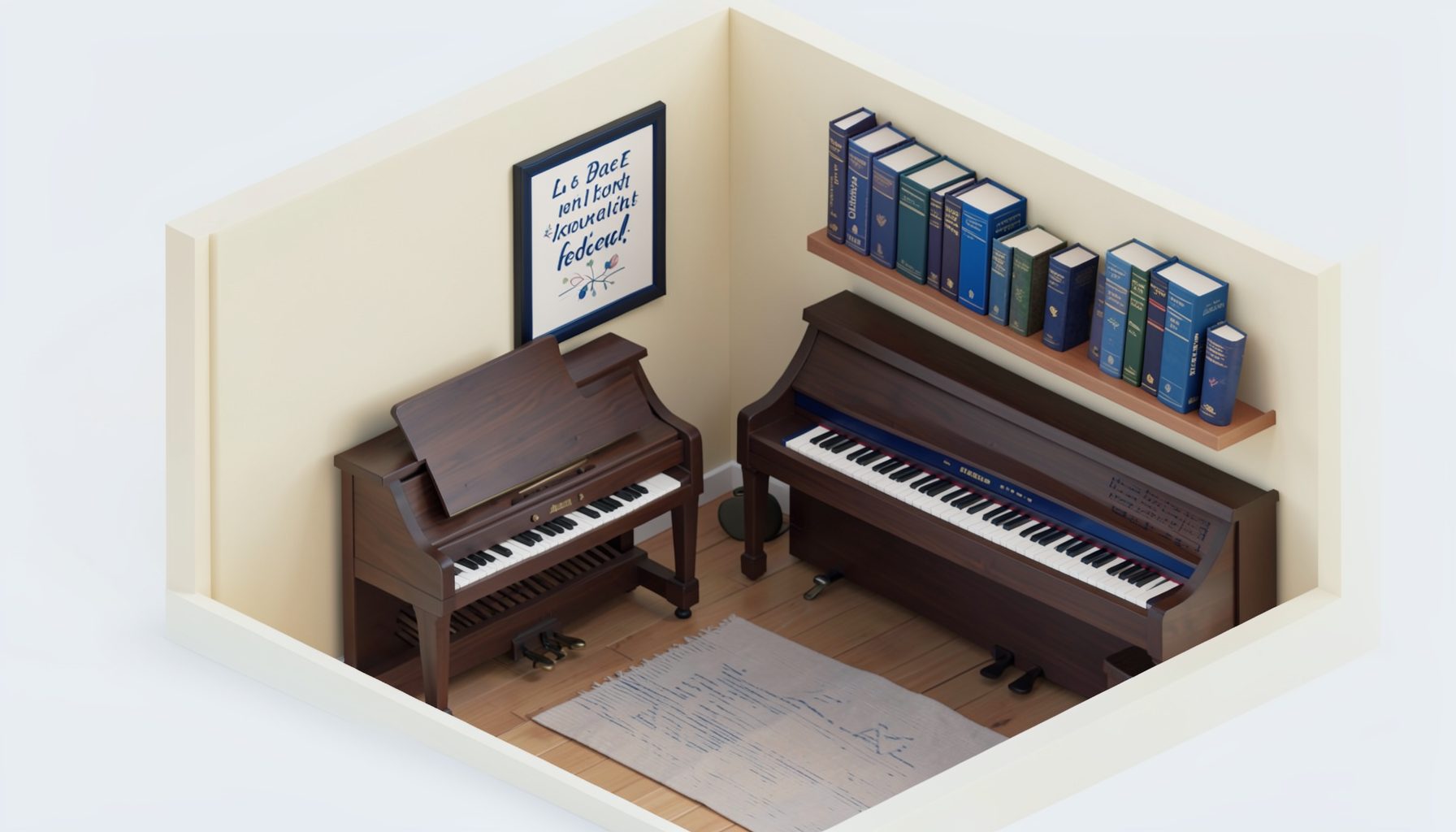
Acoustics deserve careful attention. A pipe organ in a historic Sydney or Melbourne church can fill a large space with a broad, commanding sound, while a small electronic organ in a suburban meetinghouse may need a restrained registration to avoid overwhelming the final spoken words. A concert-style arrangement with rapid changes can sound impressive in isolation but become muddled if the available pedalboard or keyboard cannot manage its technical demands.
For an organist who wants to strengthen related keyboard skills, the collection of LDS piano solos offers intermediate repertoire that can support regular practice. Practising with one of these arrangements also develops familiarity with pedal technique, phrasing and choral-style voicing, all of which transfer effectively to organ postludes.
Familiar melodies in an organ setting
The musical language of a postlude need not be complicated. Arrangements based on well-known Latter-day Saint hymns can let worshippers recognise the melody without requiring additional words, reinforcing themes of faith, endurance and gratitude. A chorale-style setting gives the congregation something familiar to carry home, while a more freely composed postlude can preserve the reflective quality of the prayer.
Familiarity also helps when visitors or children are present. A tune associated with a simple hymn may be more welcoming than an unfamiliar work with a theatrical introduction. The organist should still allow the arrangement to function as music in its own right, avoiding excessive variation that obscures the melodic line or turning the conclusion into a display of technique.
That balance between recognition and reinterpretation appears elsewhere in sacred music. The string quartet arrangements demonstrate how a familiar text can acquire new emotional depth through a different instrumental setting. An organ postlude works in a similar way: the melody remains accessible, but its pace, register and harmonic colour can create a sense of closure.
Music for gatherings across Australia
The programme surrounding a postlude changes from one Australian community to another. It might follow an EFY recording at a youth activity, accompany a family history day in Brisbane or provide the final music for a regional gathering reached by a long drive from rural New South Wales or Queensland. Each setting calls for a different balance of familiarity, duration and technical reliability.
Youth events offer a useful example because the musical material may already be known to the audience. Familiar arrangements can create continuity between a talent performance and the meeting’s closing prayer, as explored in this guide to youth talent-show repertoire. The postlude should not overpower the young performers, however; a measured tempo and a clear melodic shape can connect the programme without turning the ending into another feature.
Local conditions can influence practical choices. Brisbane’s warm, humid summers make portable electronic instruments and durable printouts especially useful in hired rooms, while regional travel benefits from downloadable editions that work without an internet connection. For Australian buyers, comparing the total cost in Australian dollars, including delivery and any taxes or currency-conversion charges, is just as important as the number of pages in the score.
Seasonal and commemorative endings
Christmas provides the clearest example of a familiar custom adapted to the Australian calendar. Carols by Candlelight events in Melbourne and Sydney retain their winter-season imagery even though December falls during the Australian summer. An organ postlude built around “O Come, All Ye Faithful”, “Joy to the World” or a chorale can unite the congregation without competing with the service’s other Christmas music.
ANZAC Day observances on 25 April create a different emotional environment. A restrained arrangement of “Abide with Me”, a quiet hymn tune or an original work marked for reflection can accompany a commemorative prayer. The organist should avoid abrupt contrasts, since a sudden shift from solemnness to brightness can diminish the dignity of the occasion.
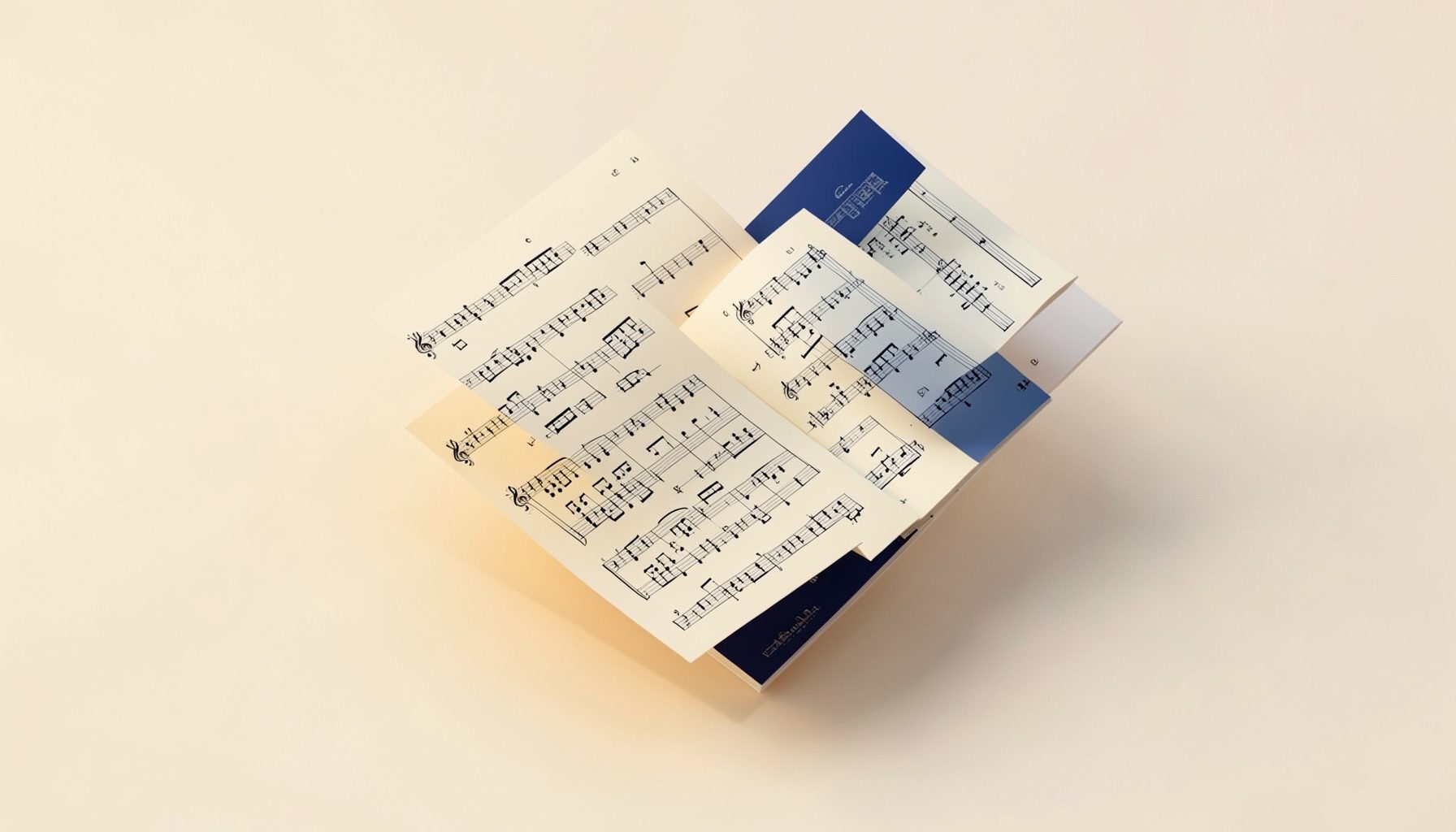
The presentation of the music can also shape how the ending is remembered. The restrained visual luxury inspiration associated with Haute Magie illustrates how a clean concert programme can feel ceremonial without becoming ornamental. A simple cover, readable title details and a short note about each postlude help listeners understand the progression of the programme while keeping the music at its centre.
Preparing and presenting the performance
Before the first meeting, the organist should test every piece on the actual instrument whenever possible. Electronic organs require different registrations from pipe organs, and a melody written for a two-manual instrument may need simplification on a compact keyboard. Pedal markings, page turns, dynamics and the expected length of each postlude should be checked before choosing which works will be performed from the pulpit.
Print copies remain useful in Australian meetinghouses, where shared instruments may have limited storage and varied capabilities. A digital edition is valuable for regional travel, but a clean printed score remains a dependable backup for a Sunday service or an unexpected substitution. Organists should also confirm whether accompanying recordings or ensemble arrangements are authorised for their intended use.
Digital music shops benefit from the same clarity found in a well-designed boutique catalogue. The uncluttered presentation associated with Chat Noir serves as a reminder that a strong cover image, concise description and visible format details help buyers recognise suitable music quickly. For postlude material, those details should identify the instrument, duration, level and whether the score is arranged for solo organ.
Rehearsal should include the transition from the final spoken prayer into the opening notes. A soft attack, stable tempo and sustained final chord can make the music feel like an extension of the blessing rather than a separate performance. Each of the seven selections has a distinct voice, from meditative and hymn-like to bright and strongly accented. Used with restraint, the right choice leaves worshippers with a sense of completion while allowing the final words of the prayer to remain present in ordinary life.